 EN
EN ES
ES PL
PL TR
TR
Joven Tequila is an officially recognized fifth classification by Mexico’s Consejo Regulador del Tequila (CRT). Joven Tequila is defined by its blended nature of unaged Blanco tequila combined with aged counterparts like Reposado or Añejo. The unfamiliar consumer asking what is Joven Tequila, the answer lies in this balance of youth and maturity. The blending merges the bright, peppery agave notes of Blanco with vanilla and oak warmth from the aged component, with producers carefully mastering the ratio to bridge sharp agave freshness to mellow oak undertones. The versions skip real aging entirely and add caramel coloring, oak extract, or glycerin to simulate it, and fall under the budget “Gold” umbrella, where quality varies significantly from premium 100% agave expressions. The resulting liquid ranges from a light straw to a golden tint depending on the volume of aged components used, making Joven a versatile and approachable category for consumers seeking barrel influence without the intensity of long-term aging.
How is Joven Tequila made?
Joven Tequila is made through a carefully controlled blending process that starts with a fully distilled Blanco tequila as its base. Joven tequila production begins with Blue Weber agave, the only variety permitted for 100% agave tequila, and from there, the Blanco is blended with one or more aged tequilas, with the blend’s ratio and the age of the tequila entirely up to the producer. Aging the Reposado carefully and then blending it with the Blanco. The Joven tequila creates the foundation of the flavor balance. The master distillers adjust the ratio to control how much oak influence, sweetness, and agave brightness come through in the final liquid. Budget or mixto versions follow a different route, applying caramel coloring and flavoring additives to a Blanco under NOM-006-SCFI regulations to simulate the appearance and sweetness of aging without any actual wood maturation. Premium Joven expressions skip the additives entirely and instead rely on master blending to achieve the intended flavor profile. The Jovern tequila with the resulting spirit ranging from a light straw to a golden hue depending on the volume and age of the blended component used.
What does Joven Tequila mean?
Joven Tequila means “young” in Spanish, derived directly from the word joven, which translates to youth or youthfulness. The Joven Tequila name comes from its use as a young, unaged drink, then given extra depth through blending with other tequila variants. The term can refer to either a blend of various aged tequilas or an unaged silver tequila with added flavors and colors, making it a category that captures both the freshness of youth and the complexity of maturity within a single bottle. Joven tequila is very complex and far more nuanced than a simple Blanco, sitting in a flavor sweet spot that presents the fresh notes of a Blanco while also delivering the depth of aging. The name reflects the spirit’s identity as a young yet layered expression, bridging the vibrancy of an unaged base with the refined character that only time in oak can produce.
Is Joven Tequila always a blend?
No, Joven Tequila is not always a blend. Joven tequila covers two production paths, a blend of Blanco with one or more other categories of tequila, or a Blanco tequila that has additives and coloring applied instead. The Gold Tequila version is often a mixto tequila that has not rested in wood but instead has had caramel color, oak natural extract, glycerin, and sugar syrup added to make it appear aged. The category, therefore, covers two distinctly different production methods under the same label, where one relies on genuine blending of aged and unaged spirits and the other relies entirely on additives to simulate aged character. The rules for the Joven category do permit the use of additives, as in all other expressions. The consideration for tequila blended is the additives are in no way mandatory, which is why premium producers choose the true blending route, and budget commercial brands tend to take the additive shortcut. The distinction matters greatly to the consumer since the flavor, quality, and overall drinking experience of a genuinely blended Joven and an additive-enhanced one are worlds apart.
What is the difference between Joven and Blanco Tequila?
Joven and Blanco tequila share the same Blue Weber agave base and production origin, yet the two diverge significantly in composition, flavor depth, and classification. Blanco tequila is unaged, bottled directly after distillation, and celebrated as agave’s purest expression, offering herbal, mineral, and citrus notes without oak influence, whereas Joven is a blend of Blanco and one or more aged tequilas.
The difference between Joven and Blanco is shown in the table below.
| Category | Blanco Tequila | Joven Tequila |
| Meaning | “White” or “Silver” | “Young” or “Gold” |
| Production | Distilled and bottled immediately or rested up to 60 days | Blanco blended with Reposado, Añejo, or additives |
| Aging Status | Unaged or minimally rested | Partially aged through blending |
| Color | Clear and transparent | Light golden to amber hue |
| Flavor Profile | Sharp agave, citrus, pepper, and herbal notes | Agave brightness layered with vanilla, caramel, and spice |
| Flavor Intensity | Bold and raw agave-forward | Softer and more complex |
| Additives Permitted | Minimal | Caramel, oak extract, glycerin, sugar syrup |
| CRT Classification | First of five official categories | Second of five official categories |
| Best For | Cocktails, sipping neat | Cocktails, approachable sipping |
Why is Blanco Tequila used in Joven blends?
Blanco Tequila is used in Joven blends because…Blanco Tequila serves as the foundation of Joven blends because of its pure, unaltered agave character, which acts as a neutral yet expressive carrier for the aged components added to it. Blanco tequila offers one of the purest essences of agave flavor, delivering herbal, mineral, and citrus notes without any oak influence to obscure the spirit’s natural identity. Blanco tequila is the base for all other types of tequila, making it the logical foundation for a Joven blend, as its clean profile does not compete with the vanilla, spice, and oak flavors introduced by the aged component. Aging the Reposado carefully and then blending it with the Blanco creates the perfect mix, where the Reposado brings more layers of flavor, including the influences of the barrels in which it has been aged. The Blanco essentially functions as a flavor anchor, preserving the bright and peppery agave backbone that aged tequilas tend to lose over time in oak. The Blanco appears in the classic bright and peppery notes that come through alongside the sought-after agave taste. The aged tequila blended in, warmth and sweeter flavors like vanilla arrive from the cask aging. The absence of Blanco as a base, a Joven blend loses the agave-forward brightness that separates it from a straight Reposado or Añejo expression.
Does Joven Tequila contain additives?
No, Joven Tequila does not always contain additives, but the category legally permits their use under Mexican tequila regulations. Joven tequilas are usually non-aged tequilas produced in the same manner as Blanco tequila, but given a golden hue by the addition of coloring, usually caramel, along with flavor additives. Joven tequila can be mixto tequilas in disguise, so reading the label carefully to check if additives are included or if it is a pure 100% blue agave tequila is necessary before purchasing. The permitted additives in budget or mixto Joven expressions typically include caramel coloring for the golden hue, oak extract to simulate barrel aging, glycerin for added smoothness, and sugar syrup for sweetness. The permitted additives are all applied to a base Blanco without any actual wood maturation taking place. Blanco tequila cannot contain any additives, 70% of different tequilas on the market contain additives, and aged tequila is 1% undisclosed additives and still be legally considered 100% agave, with any tequila exceeding that threshold classified as mixto. Premium Joven expressions from craft producers take a different approach entirely, relying on genuine blending of Blanco with aged tequilas to achieve complexity without the need for artificial enhancement. The clearest way to identify an Joven is to look for the “100% agave” designation printed on the label.
Meet Our Maestra Tequilera
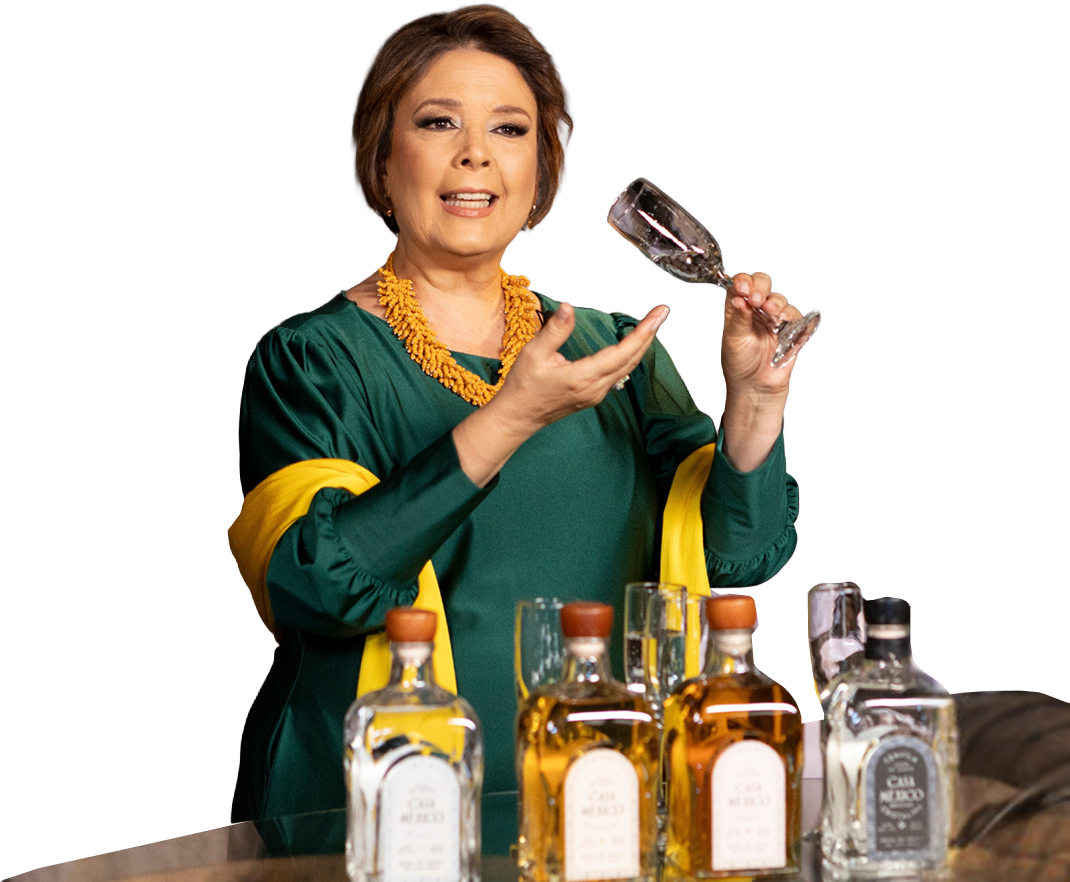
Casa México Tequila is crafted under the guidance of world-renowned Maestra Tequilera Ana María Romero Mena. With decades of experience creating acclaimed tequilas and mentoring future generations of distillers, she brings both deep tradition and thoughtful innovation to the brand. From agave selection to distillation and aging, her expertise ensures every expression reflects authenticity, precision and exceptional quality.
Can Joven Tequila Expire after Opening?
No, Joven Tequila cannot expire after opening in the sense of becoming unsafe for consumption, yet the quality degrades over time. The high alcohol content (35% to 55%) prevents the growth of harmful bacteria. Oxidation begins once the seal is broken, leading to a loss of volatile aromas plus flavor complexity. Exposure to light or heat accelerates the evaporation of alcohol plus the breakdown of agave oils. A bottle kept for [1 year to 2 years] tastes flat compared to a fresh one. Storing the spirit in a cool, dark place maintains the profile for a longer duration. Transferring the liquid to a smaller glass container reduces the surface area exposed to oxygen. Distillers recommend finishing the bottle within [6 months to 8 months] for the best experience. The spirit remains potable but loses the nuances that define the category, which affects whether Joven Tequila Expire.
How does Joven Tequila taste?
Joven Tequila tastes through a balance of fresh agave brightness and aged smoothness, where the blend ratio determines how light or rich the final profile becomes. Layers of citrus, pepper, and earthy agave give way to a mellow sweetness and a hint of lingering spice, creating a multifaceted taste experience. A high-quality Joven carries fresh, sweet, roasted agave, orchard fruits like apple and pear, vanilla beans, citrus notes like lemon peel and grapefruit, cracked black pepper, and oaky wood, finishing in a delicate and mellow way. A Joven blended with Reposado tastes lighter and fruitier, whereas one blended with Añejo delivers a richer and more sophisticated depth on the palate.
What affects the flavor of Joven Tequila?
The Joven Tequila flavor is affected by four key factors (aging proportion, barrel influence, agave quality, and blending technique). The blend ratio directly shapes the final taste, where a Joven blended with Reposado tastes lighter and fruitier, whereas one blended with Añejo delivers a richer and more sophisticated depth on the palate. Barrel type shifts the profile significantly, as finishing in Pedro Ximénez wine barrels produces a smooth, fresh, and floral character with balanced balsamic tones and strong notes of freshly cut Blue Weber agave. Agave quality sets the ceiling for how expressive the blend becomes, where 100% blue agave Joven presents the subtle sweetness of the plant alongside creamy vanillas and piquant spices developed through oak aging. Blending technique determines the final character, where higher Extra Añejo ratios produce dried fruit, dark chocolate, and clove, while higher Blanco ratios bring orange peel, butterscotch, and cinnamon with black pepper on the finish.
Is Joven Tequila smoother than Blanco?
Yes, Joven Tequila is smoother than Blanco due to the aged component introduced through blending. Joven tequila offers a smoother, richer experience than Blanco, thanks to the addition of aged tequila, which adds a touch of sweetness and oakiness that balances the fresh agave flavor. Blanco tequila carries a bolder, more aggressive agave-forward character, whereas a high-quality Joven delivers a balanced, multi-layered profile with a delicate and mellow finish. The matured portion of the blend introduces barrel-aging flavors that soften the sharp bite typical of an unaged Blanco, resulting in a cleaner agave flavor layered with the complexity of oak aging. The degree of smoothness, however, depends entirely on the ratio and age of the blended component. The Joven with a higher Añejo proportion delivers noticeably more smoothness than one with a minimal Reposado addition.
Can Joven Tequila be turned into an Alcoholic Coffee?
Yes, Joven Tequila can be turned into an Alcoholic Coffee by mixing the spirit with hot or cold coffee preparations. The balanced profile of the tequila complements the roasted bitterness of coffee beans. Its subtle notes of vanilla plus spice from the aged components pair well with the dark flavors of the brew. Adding a measure of Joven to an espresso creates a vibrant pick-me-up featuring a Mexican twist. The spirit’s smoothness ensures it does not overpower the coffee’s delicate aromas. Sweeteners like agave nectar or cinnamon syrup bridge the flavors from the spirit to the bean. The combination is popular in casual settings plus upscale cocktail bars. It serves as a base to modern riffs on classic coffee drinks. The blend’s versatility makes it an ideal candidate for alcoholic coffee.
When is Joven Tequila typically Used?
Joven Tequila is typically used in cocktails plus mixing due to its balanced flavor profile plus affordability compared to aged expressions. The spirit provides the necessary agave kick to drinks like Margaritas while offering a smoother finish than standard silver options. The favorite among high-volume bars looking for a versatile spirit that works across different recipes. The golden color adds visual appeal to layered drinks without the expense of a Reposado. Consumers choose Joven to parties plus gatherings where the spirit is served as shots or with simple mixers. The performance goes well in recipes that require a hint of oak without dominating the other ingredients. The price point makes it accessible to everyday use in the home bar. Professional bartenders use its unique properties to create complex flavor profiles in signature creations. Tequila is a functional choice for consumers who value taste and budget. The spirit excels in environments where versatility is paramount.
What cocktails use Joven Tequila?
The cocktails that use Joven Tequila are listed below.
- Joven Tequila Margarita: Joven Tequila Margarita combines fresh lime juice, a touch of orange liqueur, and a hint of agave syrup, with aged notes that add depth and complement the zesty lime and sweet orange. Vanilla and caramel undertones from the blended component soften the tartness of the citrus. Warm oak character from the Joven base elevates the drink beyond what a standard Blanco Margarita delivers. The result is a richer and more layered Margarita that suits both casual drinkers and tequila enthusiasts.
- Tequila Sunrise: Joven Tequila deepens the flavor profile, elevating the layers of orange juice and grenadine with its subtle complexity. Warm oak and vanilla notes from the aged component blend naturally with the grenadine’s sweetness. Fresh agave brightness from the Blanco base keeps the drink light and refreshing despite the added depth. The final drink offers a richer, more flavorful variation on the classic sunrise format.
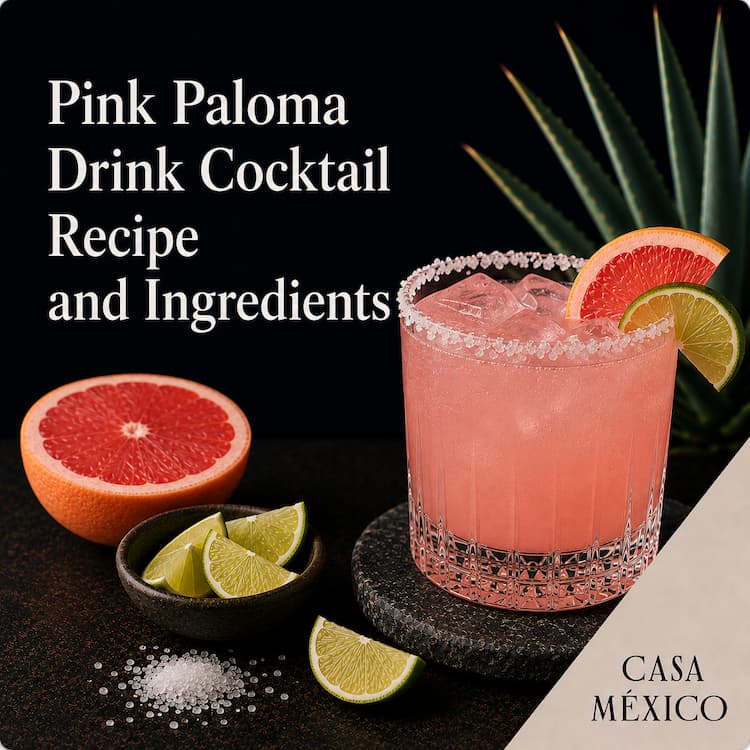
- Paloma Variation: Joven Tequila brings an elevated character to the Paloma beyond what a standard Blanco delivers. Citrus notes of lemon peel, grapefruit, and tangerine present in a high-quality Joven align naturally with the grapefruit-forward profile of the Paloma. Mellow sweetness from the aged component balances the bitter edge of the grapefruit without masking it. The result is a Paloma with greater body and a longer, more complex finish.
- Coffee-Based Tequila Cocktail: Joven Tequila integrates naturally into coffee-based cocktails due to shared flavor compounds between the spirit and roasted coffee. Roasted agave, vanilla beans, and oaky wood notes in a high-quality Joven mirror the flavor compounds found in dark-roast coffee, creating a cohesive, balanced drinking experience. A tequila espresso martini combining Joven, freshly brewed espresso, and coffee liqueur produces a layered drink where neither element overpowers the other. The aged component softens the spirit’s bite, allowing coffee flavors to come forward cleanly in every sip.
Is Joven Tequila good for sipping?
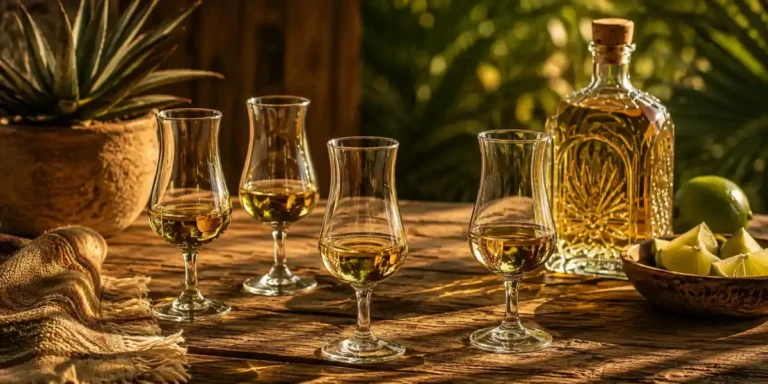
Yes, Joven Tequila is good for sipping, particularly when it is a high-quality 100% agave expression. The blend of Blanco plus aged spirits provides a complex sensory journey that rewards slow consumption. Sippers detect the bright herbal notes of the agave alongside the smooth, oak-derived finish. The mixto Gold tequilas are sweet or artificial to neat consumption, and premium Joven bottles offer a refined experience. The spirit is served in a glass that allows the aromas to breathe, like a snifter. The category appeals to drinkers who want the freshness of a Blanco with the sophistication of a Reposado. It is an excellent choice to explore the art of tequila blending without committing to a heavy wood profile. The experience is light plus layered, making it suitable for multiple occasions. Quality remains the deciding factor in its suitability as a sipper.
Is Joven Tequila stronger than other Tequila Types?
No, Joven Tequila is not stronger than other Tequila Types in terms of alcohol concentration. Tequilas, regardless of their classification, are bottled at [35% to 55%] alcohol by volume. The strength is determined by the distiller during the dilution process rather than the age of the spirit. Joven tequilas fall in the standard [38% to 40%] range to the retail market. The perception of strength might vary because Joven’s smoothness masks the alcoholic burn. Blanco tequila feels stronger on the palate due to its raw plus peppery nature. Extra Añejo feels intense because of the concentrated flavors from long-term wood contact. Legal standards ensure every category meets the same basic requirements to spirit strength. The label indicates the specific percentage for each individual bottle in the list of Tequila Types.
Why is Joven Tequila less common than other types?
Joven Tequila is less common than other types due to a market preference for clearly aged categories, plus limited branding of blended expressions. Consumers gravitate toward the distinct identities of Blanco, Reposado, or Añejo. The Joven category is perceived as an intermediate or Gold spirit, associated with lower-quality mixto products. Brands find it easier to market the specific maturation time of their aged tequilas. The complexity of explaining a blend of ages acts as a barrier to consumer understanding. Distilleries focus their production on the three main categories to streamline their portfolio. The rise of the movement has pushed drinkers away from categories where additives are common. Premium Joven expressions exist but are produced in small quantities by artisanal brands. The niche status makes it a rarer find on liquor store shelves. The market continues to favor spirits featuring a singular, easily defined aging status.
Is Joven Tequila considered premium?
Yes, Joven Tequila is considered premium when it is made from 100% agave plus utilizes high-quality blending techniques. The status of the spirit depends on the sourcing of the agave, plus the absence of artificial fillers. Craft producers craft luxury Joven expressions by blending rare Blanco batches with extra-aged Añejo. Th bottles command high prices [$50 to $100] and are sought by connoisseurs for their unique profiles. The Joven category includes budget-friendly Gold tequilas that do not carry the premium label. These cheaper versions use cane sugar plus additives to achieve their character. The distinction lies in the labeling, where 100% Agave signifies a higher tier of production. Premium Joven tequilas focus on the artistry of the master blender rather than the age of the liquid. The quality of the water and the fermentation process contribute to its standing. It is a category featuring a wide spectrum of quality levels.
Does aging influence Joven Tequila quality?
Yes, aging influences Joven Tequila quality because the aged components determine the depth plus character of the blend. Joven is a young tequila, the quality of the Reposado or Añejo used in the mixture is vital. Spirits aged in high-quality oak barrels contribute superior flavors of vanilla, spice, plus dried fruit. The time the aged portion spends in the wood affects its ability to smooth out the base Blanco. A blend using poorly aged or over-oaked spirits results in a sub-par Joven expression. The interaction of the wood plus the distillate creates a more complex profile than unaged spirits alone. Quality is reflected in how well the aged plus unaged parts integrate over time. A successful Joven feels like a cohesive spirit rather than a disjointed mixture. The maturation process provides the structural integrity needed for a premium product. It remains a critical factor in the final assessment of the spirit.
Does climate affect Joven Tequila aging characteristics?
Yes, climate affects Joven Tequila’s aging characteristics by influencing the maturation speed plus flavor extraction of the aged components. Higher temperatures in regions like the Jalisco highlands accelerate the interaction between the spirit plus the oak. Heat causes the wood to expand plus contract, pulling the liquid deep into the staves. This process results in a faster extraction of tannins, color, plus woody aromas. Humidity levels play a role in the evaporation rate, affecting the concentration of the alcohol. A Joven blend relying on spirits aged in a hot, dry climate has an intense wood profile. Conversely, cooler climates produce a subtle plus slow maturation. The terroir of the agave itself is shaped by the local climate, influencing the base of Blanco’s flavor. These environmental factors are essential for master blenders to consider when balancing their products. The climate shapes every aspect of the spirit’s development.
How is Joven Tequila classified under tequila regulations?
Joven Tequila is classified under tequila regulations as one of the five official classes recognized by the Consejo Regulador del Tequila. The CRT defines this category, known as Oro, as a product resulting from the mixture of Blanco tequila plus aged tequilas. Tequila regulations allow for Blanco tequila to be softened by the addition of approved coloring and flavoring agents. The additives, known as abocados, include ingredients like caramel color, oak extract, glycerin, plus sugar syrup. The total weight of these substances must remain under 1% of the final product. Regulations allow 100% agave plus mixto varieties to be labeled as Joven. The spirit must meet the general requirements of tequila, being produced from Agave Tequilana Weber Blue Variety. Certification ensures the blending process occurs within authorized facilities under strict supervision. The classification provides a legal framework for producers to offer blended or enhanced spirits. The regulation protects the integrity of the name in the global market.
What is the difference between Joven and Gold Tequila?
The difference between Joven and Gold Tequila is a matter of marketing and perceived quality, though the terms are used interchangeably. In many markets, Joven is the technical term for a blend of Blanco plus aged tequilas. Gold (Oro) refers to mixto tequilas using additives like caramel coloring to simulate an aged appearance. Premium brands prefer the label Joven to distance themselves from the negative connotations of budget Gold spirits. A 100% agave product is likely to be labeled Joven to highlight its purity plus blending artistry. Mixto products, which contain non-agave sugars, are designated Gold exclusively. The flavor profile of a premium Joven is complex plus agave-forward, while a standard Gold tequila is sweet plus simple. Regulatory bodies treat them as the same class, but consumer perception varies. Understanding the ingredient list is necessary to distinguish between the two. The choice of terminology reflects the brand’s target audience plus quality standards.
Can 100% agave tequila be labeled as Joven?
Yes, 100% agave tequila qualifies for the Joven label if it meets the blending or flavoring requirements of the category. A producer creates a 100% agave Joven by mixing 100% agave Blanco plus 100% agave Reposado or Añejo. The results in a high-quality spirit that maintains the purity of the agave while adding complexity. The label must explicitly state 100% de Agave alongside the Joven designation. The products are considered artisanal because they rely on the blender’s skill rather than additives. The agave tequila offers an authentic experience compared to mixto Joven tequilas. The CRT strictly monitors these labels to ensure no non-agave sugars are present in the final blend. Consumers seek out 100% agave Joven for its superior taste plus lack of artificial fillers. It constitutes the premium end of the Joven classification. The spirit remains a versatile plus respected member of the tequila family.