 EN
EN ES
ES PL
PL TR
TR
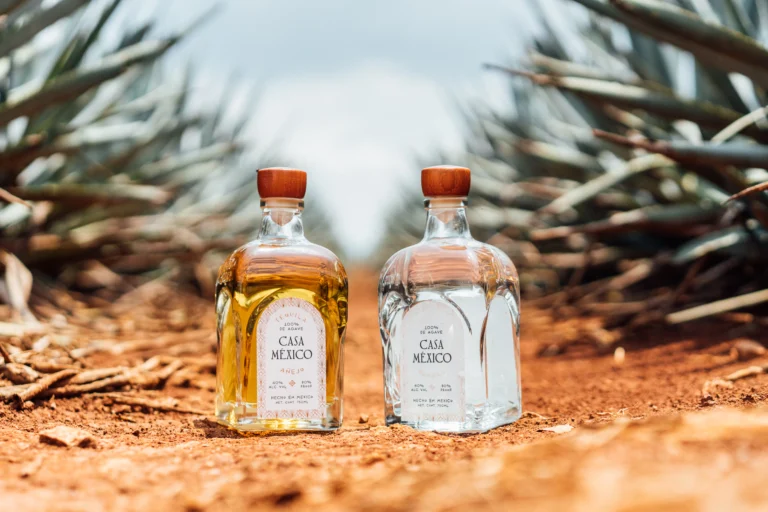
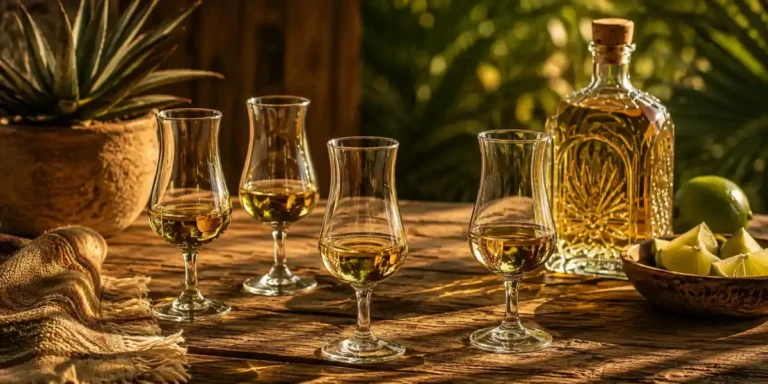
Sipping tequila is a premium agave spirit crafted for neat consumption, allowing each nuance to be experienced without mixers or dilution. The spirit draws its character from 100% blue Weber agave, harvested at peak maturity from the highlands or lowlands of Jalisco, Mexico. Smoothness, balance, complexity, and finish define the standard that separates a true sipping-grade tequila from a commercial-grade product. Distillation precision and agave quality work together to produce a refined palate entry, free from harsh ethanol burn. The finish of a well-made sipping tequila lingers cleanly, carrying notes of cooked agave, citrus, or oak, depending on the aging category. Production integrity, from fermentation control to barrel selection, determines the depth a spirit carries in the glass. Connoisseurs and casual drinkers alike seek expressions that reward slow, attentive drinking rather than quick consumption. The growing market for craft and estate-produced expressions has elevated standards across the category. Fortaleza, G4, and El Tesoro brands have redefined what neat drinking looks like at the premium tier. The best sipping tequila earns its reputation through its origin, skilled craftsmanship, and bold agave flavor.
What Defines High Quality Sipping Tequila?
High-quality sipping tequila is defined by its agave selection, fermentation control, and distillation precision, each of which shapes the spirit’s final sensory profile. The foundation starts in the field, where fully mature blue Weber agave plants, harvested at 7 to 10 years of growth, deliver the richest concentration of natural sugars. Fermentation control determines the liquid’s flavor complexity before it ever reaches the still, separating clean, expressive profiles from flat or chemical-tasting batches. Open-air, wild-yeast fermentation used by producers like Fortaleza and Siete Leguas introduces native microbial character that industrial yeast packs cannot replicate. Copper pot distillation further refines the spirit, stripping away unwanted compounds without erasing the natural agave character. Agave selection and production methods shape the sipping experience. A clean, long, non-bitter finish signals that each stage of production was executed with discipline. The best expressions carry a detectable terroir, meaning the agave’s growing region leaves a recognizable imprint on the flavor. Highland agave tends to produce floral, citrus-forward profiles, while lowland agave delivers earthier, herbaceous tones. Each pillar of high-quality sipping tequila traces back to raw-material integrity and decisions made long before bottling.
Which Production Factors Determine Tequila’s Suitability for Neat Drinking?
The production factors that determine tequila’s suitability for neat drinking are smoothness, low ethanol burn, and a refined agave profile, each of which depends on decisions made throughout the production process. Agave maturity at harvest sets the baseline sugar quality, directly influencing fermentation outcomes and the cleanliness of the distillate. Slow, traditional fermentation using wooden vats (tahona or open-air tanks) produces a complex, less aggressive alcohol profile than accelerated industrial methods. Double distillation in copper pot stills removes sulfur compounds and harsh congeners that create a burn on the palate. Producers who cut the heads and tails with precision during distillation preserve the heart of the run and create a smooth, balanced expression. Low dilution at bottling, commonly at 40% to 46% ABV (Alcohol by Volume), preserves the spirit’s texture without amplifying heat. A refined agave profile means the cooked piña character remains present and clean throughout the tasting experience. Expressions from distilleries (G4 and Cascahuín) demonstrate how traditional production methods directly produce tequila suited for neat drinking.
Does the Distillation Method Determine High Quality Sipping Tequila more than the Aging Process?
Yes, the distillation method determines the quality of sipping tequila more than the aging process. The distillation stage directly shapes the texture and agave expression of the final spirit, making it a critical variable in sipping quality. Copper pot distillation removes metallic compounds and excess sulfur, producing a cleaner distillate than column stills, which prioritize volume over character. A poorly distilled tequila carries harsh fusel alcohols that no amount of barrel aging can fully correct. Aging masks flaws by layering oak-derived vanilla and caramel notes over the base spirit, but the underlying distillate quality remains unchanged. Blanco expressions from producers like Fortaleza and G4 prove that a masterfully distilled spirit delivers a premium sipping experience without any time in wood. The distillation cut, the still type, and the temperature control during the run collectively determine the ceiling of quality a tequila reaches. Barrel aging refines and adds complexity, but it never rescues a poorly distilled sipping tequila.
How does aging Tequila Flavor Complexity in Sipping Tequila?
Aging tequila flavor complexity in sipping tequila by introducing a layered set of flavor compounds that develop through direct contact of the spirit and the wood of the barrel. The process starts with sweet agave notes from the base distillate, which persist even after extended oak maturation. Reposado expressions aged 2 to 11 months begin to show light vanilla and citrus notes as the wood releases its natural sugars into the liquid. Añejo tequilas, aged 1 to 3 years, develop a deeper oak influence, producing pronounced caramel, dried-fruit, and spice characteristics. Extra añejo expressions, aged for more than 3 years, carry complex flavor profiles with notes of dark chocolate, tobacco, and toasted wood, alongside the natural sweetness of agave. The char level and the barrel’s previous use directly influence which flavor compounds transfer into the spirit. American oak barrels previously used for bourbon impart strong vanilla and coconut notes, while French oak adds subtle spice and dried-fruit complexity. The balance of agave character and oak-derived flavor defines whether an aged expression qualifies as a refined sipping tequila.
What Defines Smooth Agave Expression in Sipping Tequila?
Smooth agave expression in sipping tequila is defined by four measurable characteristics that reflect agave quality, distillation precision, and production discipline. Agave maturity and production methods contribute to texture and flavor.
Smooth agave expression in sipping tequila is defined by the characteristics listed below.
- Natural Sweetness: A smooth agave expression carries the cooked piña character without artificial flavoring masking the base profile. The sweetness reads as earthy and warm rather than syrupy or manufactured.
- Soft Palate Entry: The spirit enters the palate without heat or bite, a direct result of precise distillation cuts and proper dilution at bottling. Expressions bottled at 40% to 46% ABV from quality distilleries deliver a round, gentle entry.
- Flavor Balance: A well-made sipping tequila carries light pepper and citrus tones that add dimension without overwhelming the agave foundation. The balance prevents any single note from dominating the tasting experience.
- Clean Finish: The finish of a smooth agave expression extends beyond 30 seconds, leaving a pleasant warmth rather than a sharp or bitter aftertaste. A non-bitter finish signals disciplined fermentation control and careful barrel selection in aged expressions. The finish is the final measure of a true smooth agave expression.
How does Barrel Aging Improve the Sipping Quality of Tequila?
Barrel aging improves the sipping quality of tequila by softening the raw distillate, adding layered flavor complexity, and creating a rounder and refined texture in the finished spirit. Blanco tequila, bottled immediately after distillation without aging, delivers the purest agave flavor and gives the palate a sharper, bolder character. Reposado tequila, rested for 2 to 11 months in oak, begins to soften the ethanol’s harshness, introducing early notes of vanilla and light citrus without overshadowing the agave base. Añejo tequila, aged 1 to 3 years, achieves a deeper level of smoothness through extended oak contact, developing caramel, toasted wood, and dried-fruit notes. The optimal aging window for sipping balance sits at the añejo stage, where the agave character remains present but the oak influence has had enough time to refine the texture. The oak begins to dominate the flavor profile after 3 years in the extra añejo category, sometimes at the expense of the agave’s identity. American white oak barrels with medium char levels deliver a consistent balance of smoothness and complexity across the aging categories. Producers (Patrón, Don Julio, and Casa Noble) demonstrate how barrel selection directly shapes the sipping quality of tequila.
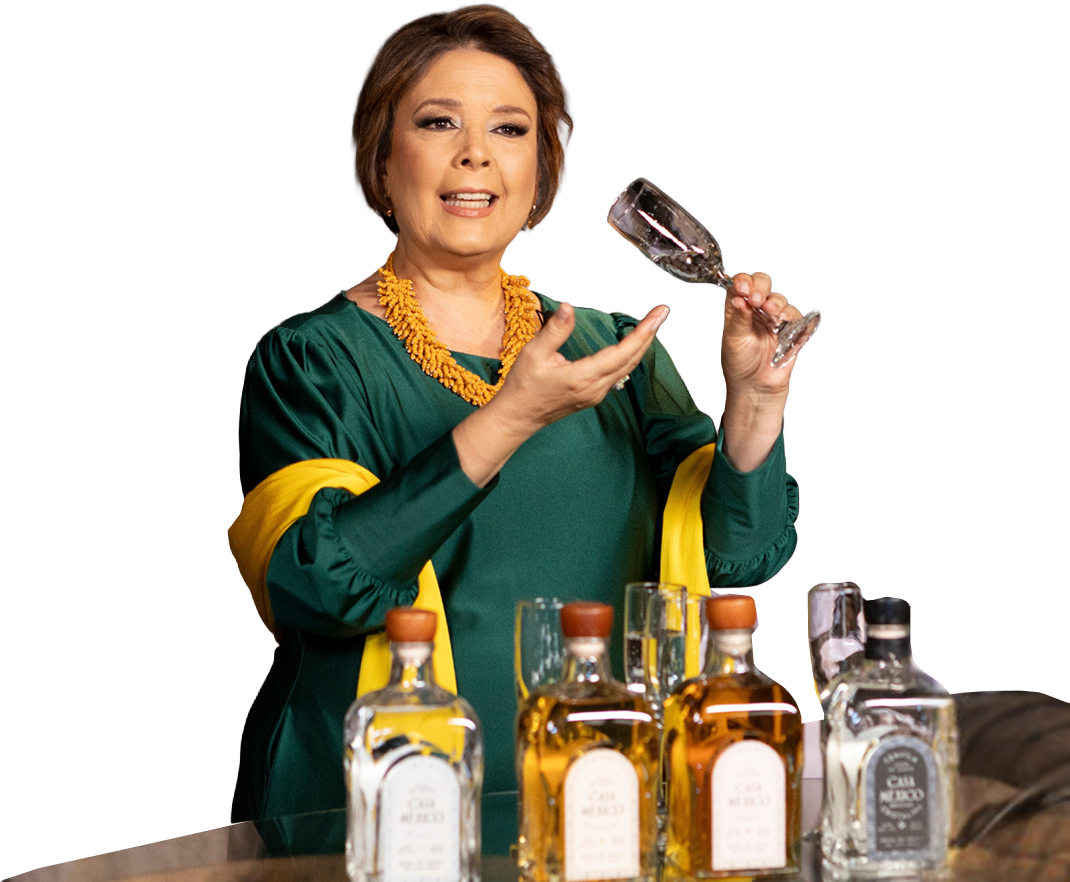
Meet Our Maestra Tequilera
Casa México Tequila is crafted under the guidance of world-renowned Maestra Tequilera Ana María Romero Mena. With decades of experience creating acclaimed tequilas and mentoring future generations of distillers, she brings both deep tradition and thoughtful innovation to the brand. From agave selection to distillation and aging, her expertise ensures every expression reflects authenticity, precision and exceptional quality.
What Causes Smoothness in Barrel-Aged Tequila?
Smoothness in barrel-aged tequila is caused by a series of physical and chemical interactions that occur in the spirit and the wood during maturation. The porous structure of oak allows the tequila to expand into the wood during warmer months and contract back into the barrel during cooler periods, a process that filters out harsh compounds over time. Tannins extracted from the oak bind to fusel alcohols in the distillate, reducing the sharp, solvent-like sensation that raw spirits carry on the palate. Lignin in wood breaks down into vanillin and other aromatic compounds, which impart a natural sweetness that softens the spirit’s texture. The esterification process, in which acids and alcohols slowly react, produces fruity, round flavor compounds that replace harsh, aggressive ones. Previous use of the barrel matters significantly, as bourbon-seasoned oak releases residual sugars and flavor compounds that accelerate the smoothing effect on tequila. A properly charred barrel interior acts as a carbon filter, absorbing sulfur compounds and other off-notes that contribute to harshness. Quality wood and optimal aging give barrel-aged tequila a smoother character, the longer the spirit stays in contact with the barrel.
Can Tequila be Considered Best for Sipping without Long Barrel Aging?
Yes, tequila can be considered best for sipping without long barrel aging. The sipping quality of a tequila depends on the character of the distillate and the quality of the agave rather than the time it spends aging in wood. Blanco expressions from producers (Fortaleza Still Strength and G4 Blanco) deliver a smooth, complex, and rewarding sipping experience with zero barrel time. The agave character in a well-distilled blanco presents with clarity and depth that extended oak contact sometimes obscures rather than improves. Slow, open-air fermentation and copper pot distillation produce a round texture, eliminating the need for barrel influence to achieve a smooth palate. Cristalino tequilas, which are aged expressions filtered to remove color, demonstrate that the market values clean, smooth character over oak-driven complexity. A distillate of exceptional quality stands on its own merits in the glass without relying on barrel aging to deliver a premium experience.
How Do Production Methods Shape Sipping Quality?
Agave selection, fermentation, distillation, aging, and filtration shape the flavor, texture, and appearance of tequila. Compare aromas, palate balance, and finish when choosing a bottle for sipping. Learning about tequila production can help you understand the choices behind different styles.
How Can Product Information Influence Consumer Perception of Tequila Quality?
Product information influences expectations about tequila’s origin, production methods, and flavor. Agave classification, alcohol strength, and aging category give consumers useful reference points when comparing bottles.
Product information can influence consumer perception of tequila quality for the reasons listed below.
- Trust: Clear information about origin and production helps consumers understand a bottle’s background and compare brands.
- Production Information: Details about agave selection, fermentation, distillation, and aging help consumers compare how different tequilas are made.
- Flavor Expectation: A buyer approaching an bottle enters the tasting experience expecting a clean, honest agave profile free from glycerin-driven sweetness or caramel-adjusted color. The absence of post-distillation manipulation sets a higher baseline for what the palate anticipates before the first sip.
- Informed Selection: Available ingredient and nutritional information can help consumers understand a specific product. Flavor preference and production information do not establish health benefits.
How Can You Compare the Sipping Quality of Different Tequilas?
Sipping quality depends on personal preferences and the character of the finished spirit. Compare tequila at similar alcohol strengths, paying attention to aroma, sweetness, texture, balance, and finish. Tasting different styles can help you identify the characteristics you enjoy.
What makes a Vintage Tequila Bottle Valuable?
A vintage tequila bottle is valuable for its rarity, extended aging, and the historical significance of the distillery and the era in which the spirit was produced. Rarity functions as the primary value driver, as bottles from discontinued expressions, limited annual releases, or closed distilleries exist in finite quantities that never increase. Extended aging adds measurable depth to the liquid, with extra añejo and ultra-premium expressions spending 3 to 10 years in oak before bottling. Historical production significance refers to the distillery’s legacy at the time of production, with bottles from producers (Herradura and Cuervo Tradicional) from specific decades that carry documented collector interest. The condition of the original wax seal, label, and glass contributes to the bottle’s value, as any deterioration reduces its standing among serious collectors. Limited-release expressions tied to a specific harvest year or master distiller further concentrate demand within a narrow collector base. Bottles that remain unopened retain the integrity of the liquid inside and the complete aesthetic presentation that collectors prize. The combination of provenance, liquid quality, and physical condition establishes the ceiling of what a vintage tequila bottle commands in the secondary market.
How do Collectors Evaluate Vintage Tequila Bottles in Relation to Sipping Experience?
Collectors evaluate vintage tequila bottles by examining physical condition, production history, and documented aging before determining the sipping merit of the liquid inside. Each factor carries a specific weight in the entire assessment, narrowing the field from visually appealing bottles to genuinely valuable expressions. A bottle that passes scrutiny across each criterion shows a rare intersection of collector prestige and authentic sipping quality.
Collectors evaluate vintage tequila bottles in relation to the sipping experience based on the conditions listed below.
- Bottle Condition: Collectors examine the integrity of the seal, label, and glass before assessing sipping potential, as any deterioration signals possible oxidation or evaporation of the liquid inside. A compromised seal reduces the collector value and the spirit’s expected quality when opened.
- Distillery Provenance: The reputation and production history of the distillery of origin directly influence collectors’ assessment of the aged liquid’s expected quality. Distilleries that use traditional production methods create bottles with a stronger reputation for sipping quality than industrial producers.
- Production Year: The harvest year and production era determine whether the agave used in the bottle came from a period of exceptional raw material quality or from a year marked by agave shortages and potential blending compromises. Collectors cross-reference production-year data with agave market records to assess authenticity.
- Aging Documentation: Bottles accompanied by verified aging records, certificates of authenticity, or master distiller signatures command greater confidence in the liquid’s sipping quality. Documentation confirms that the age stated on the label matches the time the spirit spent in the barrel. The full evaluation of a vintage tequila bottle combines physical condition with verified production history to establish its sipping merit.
Does Market Demand Increase the Value of Vintage Sipping Tequila Bottles more than Rarity Alone?
Yes, market demand increases the value of vintage sipping tequila bottles more than rarity alone. A bottle from a discontinued expression in perfect condition holds limited monetary value if no active collector base seeks it, regardless of how scarce the supply is. Market demand introduces a competitive acquisition dynamic in which multiple buyers pursue the same finite inventory, driving price escalation beyond what rarity alone would justify. The release of Clase Azul Ultra and the Patrón en Lalique series demonstrates how demand driven by brand prestige and cultural visibility pushes secondary-market prices to multiples of the original retail value. Auction platforms (Sotheby’s and Heritage Auctions) have recorded crucial price increases for tequila lots in years where celebrity-driven brand interest intersected with limited available inventory. A rare bottle from an unknown distillery without a collector community attached to it sells at a fraction of the price a well-known but equally scarce expression commands. Demand amplifies the perceived sipping prestige of a bottle by confirming that informed buyers attach value to the liquid inside. The cultural momentum, collector activity, and brand legacy drive the secondary market for vintage sipping tequila, not just limited supply.