 EN
EN ES
ES PL
PL TR
TR
Tequila contains no sugar in its pure distilled form since agave sugars convert into alcohol during fermentation and do not remain after distillation. Tequila maintains a dry profile that reflects its production process, which removes residual sugar and leaves a clean spirit. Straight tequila presents zero sugar content, which creates a clear difference from cocktails that contain sweet additives. Mixed drinks introduce sugar through added ingredients (syrups, fruit juices, flavored liqueurs), which raises the total sugar level of the final beverage. Product labels that state 100 percent agave indicate a cleaner composition without added sugars after distillation, which supports a natural dry taste.
Flavored tequila products gain sweetness through added flavoring components, which changes the sugar content compared to unflavored versions. Lower quality blends that use non-agave sugars during fermentation still reach a dry state after distillation, though flavor differences remain noticeable. Simple serving styles that avoid sweet mixers (soda water, fresh lime) keep the drink free from added sugar. Awareness of ingredients in cocktails defines sugar intake over the base spirit itself. Clear separation of the straight tequila and mixed drinks explains how sugar enters tequila-based beverages.
How much Sugar is in Plain Tequila?
Plain tequila contains zero sugar after distillation since fermentation converts agave sugars into alcohol and leaves no residual sugar in the final liquid, and tequila originates from blue agave, which stores natural sugars that yeast consumes during fermentation to produce ethanol. Distillation separates alcohol from remaining compounds, which results in a clean spirit that holds 0 grams of sugar per serving, and laboratory data confirms that straight tequila qualifies as a sugar-free distilled beverage with a dry taste profile. Pure tequila labeled as 100 percent agave reflects a composition without added sugars after production, which preserves its natural character, and perceived sweetness comes from flavor compounds rather than actual sugar content. Barrel contact introduces aroma and taste elements (oak barrels, charred interiors), which create a smooth impression without increasing sugar levels, and serving style determines sugar intake since added ingredients change the final drink composition. Simple preparations (neat, soda water, lime) maintain zero sugar content, and cocktails with sweet components raise sugar levels.
How much Sugar is in a Tequila Shot?
A tequila shot contains zero sugar when served as a pure distilled spirit since fermentation converts agave sugars into alcohol and distillation removes any remaining sugar content. A standard 1.5-ounce shot of straight tequila holds 0 grams of sugar, which aligns with laboratory findings for distilled spirits without added ingredients. Tequila comes from blue agave, which contains natural sugars that yeast transforms into ethanol during fermentation, leaving no sugar in the final liquid. Distillation refines the liquid by separating alcohol from other compounds, which results in a dry profile without measurable sugar. Perceived sweetness in other tequila shots comes from flavor compounds rather than actual sugar, which explains notes linked to agave or aging. Barrel aging introduces taste elements (oak barrels, charred wood), which create a smooth impression without increasing sugar levels. Sugar content changes when additions enter the shot (flavored syrups, liqueurs, juice), which raises the total sugar in the drink. Plain tequila shots remain sugar-free, while altered versions gain sugar through added ingredients.
Is Tequila Sugar Free?
Yes, tequila is sugar-free. Tequila in its pure distilled form contains 0 grams of sugar since fermentation converts agave sugars into alcohol and distillation removes any remaining sugar from the liquid. Tequila is made from blue agave, which contains natural sugars that yeast converts into ethanol during production, leaving no residual sugar in the final spirit. Straight tequila delivers a dry taste profile, which reflects a composition without added sweeteners or sugar content. Product labels that state 100 percent agave indicate a cleaner form without added sugars after processing, which supports a sugar-free result. Perceived sweetness comes from flavor compounds rather than actual sugar, which explains notes linked to agave or aging. Barrel aging introduces aroma elements (oak barrels, toasted wood), which create a smooth impression without increasing sugar levels. Sugar content changes when additional ingredients enter the drink (syrups, fruit juices, liqueurs), which raises total sugar in mixed beverages. Pure tequila remains sugar-free, while cocktails gain sugar through added components.
What Nutrition Facts Matter Besides Sugar for Tequila?
The nutrition facts that matter besides sugar for tequila are listed below.
- Calories: Tequila contains about 97 calories per 1.5-ounce serving, which comes from alcohol rather than sugar. Calorie content affects energy intake, which makes portion size a key factor in consumption.
- Alcohol Content: Tequila holds around 40 percent alcohol by volume, which defines its strength and impact on the body. Alcohol level influences intoxication rate and metabolic response.
- Carbohydrates: Tequila contains 0 grams of carbohydrates in its pure form, which aligns with its sugar-free composition. Carbohydrate absence supports low-carb dietary patterns.
- Additives: Tequila products contain added flavoring or coloring (caramel coloring, flavor extracts), which changes the composition. Additives affect purity and alter the nutritional profile.
- Serving Size: A standard serving measures 1.5 ounces, which determines calorie and alcohol intake per drink. Larger pours increase total intake without changing concentration.
- Purity Label: Labels that state 100 percent agave reflect a cleaner product without added sugars after production. Purity influences overall nutritional quality and taste perception.
- Aging Influence: Aging introduces flavor compounds (oak barrels, charred wood), which affect taste without adding sugar or calories. Aging changes the sensory profile rather than the nutritional value.
How many Calories are in Tequila?
The calories that are in tequila are listed below.
- Standard Tequila Shot Calories: A 1.5-ounce serving of tequila contains about 97 calories, which come from alcohol rather than sugar. Calorie value remains consistent across unflavored tequila types due to similar alcohol content.
- Alcohol Derived Energy: Alcohol provides 7 calories per gram, which explains the calorie count found in tequila. Energy contribution comes from ethanol rather than carbohydrates or fats.
- Proof Level Impact: Higher proof tequila contains alcohol per volume, which raises calorie content. Lower proof versions contain slightly fewer calories due to reduced alcohol concentration.
- Flavored Tequila Calories: Flavored tequila products contain higher calorie values due to added ingredients (sweeteners, flavoring agents). Added components increase total energy beyond the base spirit.
- Cocktail Calorie Increase: Mixed tequila drinks contain calories due to added ingredients (syrups, juices, liqueurs). Calorie totals rise based on the type and amount of mixers used.
- Serving Size Effect: Larger serving sizes increase total calorie intake without changing calorie density. Doubling the pour doubles the calorie count.
Does Tequila have Sugar and Carbs?
No, tequila does not have sugar and carbs. Tequila in its pure distilled form contains 0 grams of sugar and 0 grams of carbohydrates per standard 1.5-ounce serving since fermentation converts agave sugars into alcohol and distillation removes remaining compounds. Tequila comes from blue agave, which holds natural sugars that yeast transforms into ethanol during production, leaving no residual sugar or carbs in the final liquid. Straight tequila presents a dry profile, which reflects a clean composition without added ingredients. Product labels that state 100 percent agave indicate a form without added sugars or carbohydrate sources after processing, which supports a zero-carb result. Perceived sweetness comes from flavor compounds rather than actual sugar, which explains notes linked to agave or aging. Barrel aging introduces aroma elements (oak barrels, toasted wood), which influence taste without adding sugar or carbohydrates. Sugar and carbohydrate content change when mixers enter the drink (syrups, fruit juices, liqueurs), which raises total values in cocktails. Pure tequila remains free from sugar and carbs, while mixed drinks gain them through added components.
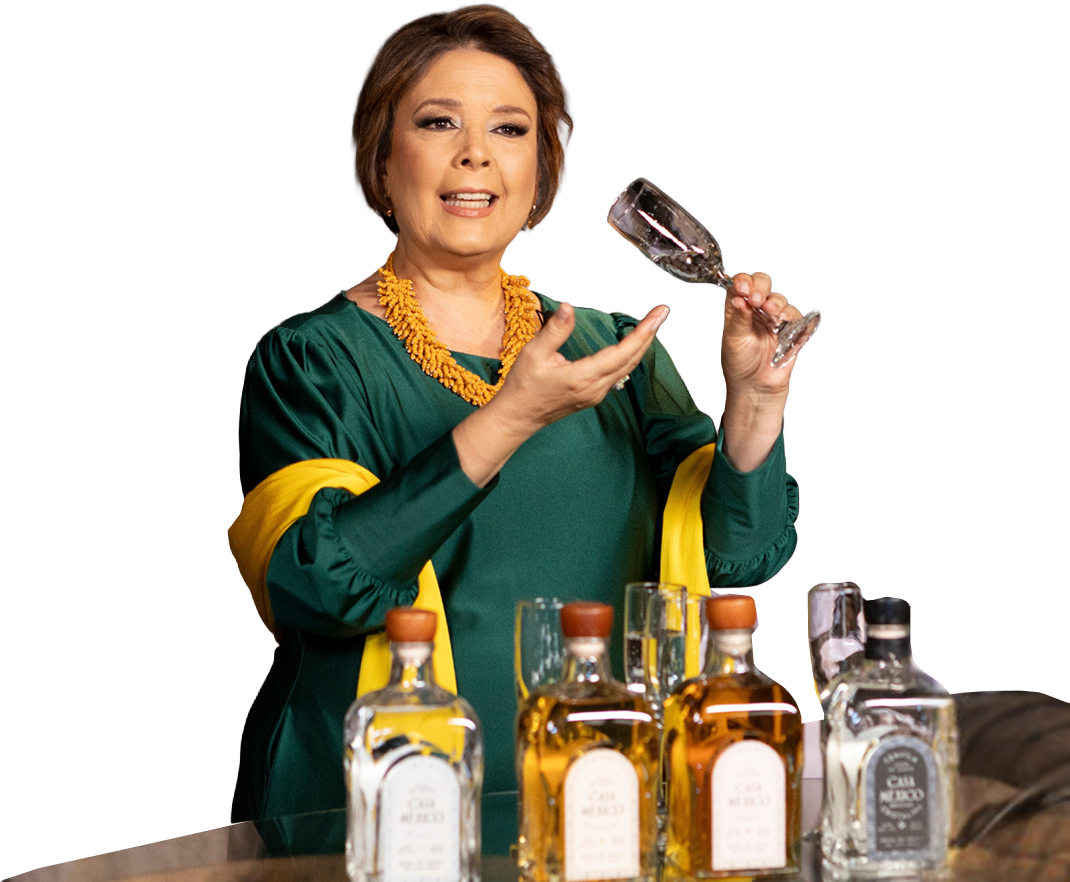
Meet Our Maestra Tequilera
Casa México Tequila is crafted under the guidance of world-renowned Maestra Tequilera Ana María Romero Mena. With decades of experience creating acclaimed tequilas and mentoring future generations of distillers, she brings both deep tradition and thoughtful innovation to the brand. From agave selection to distillation and aging, her expertise ensures every expression reflects authenticity, precision and exceptional quality.
Why do some Tequila Drinks have More Sugar than others?
Some tequila drinks have more sugar than others due to added ingredients that introduce sweetness beyond the base spirit. Tequila contains zero sugar after distillation, yet mixed drinks gain sugar from components added during preparation. Cocktail recipes that use syrups, fruit juices, or liqueurs increase total sugar content, which creates variation across different drinks. Simple combinations (tequila, soda water, lime) maintain a low or zero sugar profile, while richer recipes (margarita with syrup, fruit-based mixes) contain higher sugar levels. Ingredient quantity affects sugar levels, since larger amounts of sweet mixers raise the total sugar in the drink. Preparation style changes the final composition, which explains differences in sweetness across tequila-based beverages. Pre-made mixes contain added sweeteners, which increase sugar content compared to fresh or minimal recipes. Flavored tequila products introduce sweetness through added flavoring agents, which adds to the sugar level before mixing. Serving size influences total sugar intake, since larger portions increase the amount of sweet ingredients consumed. A clear understanding of ingredients and preparation explains why sugar levels differ across tequila drinks.
What Makes Agave Tequila Different in Sugar Content?
Agave tequila differs in sugar content by containing zero sugar in its final distilled form, while relying on natural agave sugars that do not remain after production. Tequila made from blue agave starts with plant sugars that fermentation converts into alcohol, which leaves no residual sugar after distillation. Distillation removes remaining compounds, resulting in a clean spirit with 0 grams of sugar per serving. The distinction comes from source material, since agave provides the fermentable sugars without requiring external sweeteners during production. Mixed tequila products that involve non-agave sugars during fermentation still produce a dry final liquid, yet production methods affect purity rather than sugar content. Perceived sweetness in agave tequila comes from flavor compounds rather than actual sugar, which explains notes linked to agave or aging. Barrel aging introduces aroma elements (oak barrels, toasted wood), which create a smooth impression without increasing sugar levels. Product labeling that states 100 percent agave reflects a composition without added sugars after distillation, which maintains a clean profile. Sugar content changes when additional ingredients enter the drink (syrups, fruit juices, liqueurs), which raises total sugar in mixed beverages.
Can Tequila Mixers add Sugar?
Yes, tequila mixers can add sugar. Tequila contains zero sugar in its pure distilled form, yet added ingredients introduce sugar during drink preparation. Mixers (syrups, fruit juices, and liqueurs) increase the beverage’s total sugar content, altering its final nutritional profile. Sweetened cocktail recipes (margarita mix, flavored syrups, juice blends) contain higher sugar levels compared to simple combinations. Basic mixes (soda water, fresh lime) keep sugar levels low or at zero since no sweeteners enter the drink. The quantity of mixer affects sugar intake, since larger amounts raise total sugar per serving. Pre-made cocktail mixes contain added sweeteners, which increase sugar content compared to fresh ingredients. Flavored additives contribute sweetness before serving, which raises overall sugar levels in the drink. Clear separation of the pure tequila and added mixers explains why sugar content varies across tequila-based beverages.
How does Serving Size Change Sugar Content in Tequila?
Serving size changes sugar content in tequila-based drinks by increasing the total amount of added ingredients in the glass. Tequila contains zero sugar in its pure distilled form, yet larger servings raise sugar intake when sweet mixers enter the drink. A standard 1.5-ounce pour holds 0 grams of sugar, yet doubling the serving with added mixers increases total sugar due to higher ingredient volume. Cocktail recipes that contain syrups, juices, or liqueurs show higher sugar levels when portion size increases, since each added ounce contributes sugar. Simple servings (neat, soda water, lime) maintain zero sugar regardless of size since no sweet components enter the drink. Pre-made mixes contain sweeteners, which raise sugar levels as the serving size grows. Ingredient ratio affects sugar concentration, since higher mixer volume raises the total sugar in each serving. Larger glass sizes encourage mixer use, which leads to increased sugar content. A clear understanding of portion size explains how sugar intake changes in tequila-based drinks.
How does Tequila Sugar Change Between 1 ounce and 1.5 ounces?
Tequila sugar does not change between 1 ounce and 1.5 ounces when consumed in its pure distilled form since each serving contains 0 grams of sugar. Tequila holds no residual sugar after fermentation and distillation, which means any increase in volume does not introduce sugar into the drink. A 1 ounce pour contains 0 grams of sugar, and a 1.5 ounce pour contains 0 grams of sugar, which shows no difference in sugar content across standard serving sizes. The base spirit remains sugar-free regardless of portion size, which maintains a consistent nutritional profile. A change in sugar occurs when added ingredients enter the drink, which alters the composition beyond the tequila itself. Mixers (syrups, fruit juices, liqueurs) increase sugar levels as the serving size grows, since larger drinks contain sweet components. Simple servings (neat, soda water, lime) remain at zero sugar even at higher volumes since no sweeteners enter the glass. A clear understanding of serving size shows that sugar remains unchanged in pure tequila and increases through added ingredients.
Does a Larger Pour Mean More Sugar?
No, a larger pour does not mean more sugar. Tequila in its pure distilled form contains 0 grams of sugar regardless of serving size since fermentation converts agave sugars into alcohol and distillation removes any remaining sugar. A 1 ounce pour and a 1.5 ounce pour hold the same sugar content, which remains at zero in straight tequila. The base spirit keeps a consistent composition, which means volume increase does not introduce sugar into the drink. Sugar levels change when added ingredients enter the glass, which alters the final composition beyond the tequila itself. Larger pours that contain mixers (syrups, fruit juices, liqueurs) raise total sugar since sweet components are present. Simple servings (neat, soda water, lime) maintain zero sugar even at higher volumes since no sweeteners are added. Pre-made mixes contain added sugars, which increase total sugar as the serving size grows. Clear distinction on the pure tequila and mixed drinks explains why sugar depends on added ingredients rather than pour size.
How does Blue Agave Affect Sugar Content?
Blue agave affects sugar content by supplying natural plant sugars that fermentation converts into alcohol, which leaves no residual sugar in the final tequila. Blue agave contains fructans that break down into fermentable sugars during cooking and extraction, which prepares the material for fermentation. Yeast consumes the sugars and produces ethanol, which removes sugar from the liquid before distillation. Distillation separates alcohol from remaining compounds, which results in a spirit that contains 0 grams of sugar per serving. The role of agave focuses on sugar origin rather than final sugar presence, which explains why tequila remains sugar-free after production. Perceived sweetness in tequila comes from flavor compounds derived from agave rather than actual sugar, which creates notes that resemble sweetness. Aging introduces additional aroma elements (oak barrels, toasted wood), which deepen the taste without increasing sugar levels. Product purity depends on the agave source, since 100 percent agave tequila avoids added sugars during production. Sugar content changes when external ingredients enter the drink (syrups, fruit juices, liqueurs), which increases total sugar in mixed beverages. A clear understanding of production explains the role of Blue Agave.
Why does not Agave Sugar Stay in Tequila?
Agave sugar does not stay in tequila because fermentation converts the sugars into alcohol, and distillation removes any remaining traces from the liquid. Blue agave contains natural sugars that break down during cooking into fermentable compounds, which yeast then consumes during fermentation. Yeast transforms the sugars into ethanol, which eliminates sugar from the mixture before distillation begins. Distillation separates alcohol from remaining substances, which results in a clean spirit that contains 0 grams of sugar per serving. The production process removes sugar at each stage, which explains why no residual sugar remains in the final tequila. Perceived sweetness comes from flavor compounds rather than actual sugar, which creates notes associated with agave or aging. Barrel aging introduces additional aroma elements (oak barrels, toasted wood), which influence taste without increasing sugar levels. Sugar appears in tequila-based drinks when external ingredients enter the glass (syrups, fruit juices, liqueurs), which raises total sugar content. A clear understanding of fermentation and distillation explains why agave sugar does not remain in tequila.
Does Distillation Remove Sugar?
Yes, distillation removes sugar. Distillation separates alcohol from the fermented liquid, which leaves non-volatile substances (sugars) behind and results in a final spirit with 0 grams of sugar. Fermentation already converts agave sugars into ethanol before distillation begins, which reduces sugar content at an early stage. Heat applied during distillation causes alcohol to vaporize and condense, while heavier compounds (sugars) do not carry over into the distilled liquid. The final tequila emerges as a clean spirit without residual sugar, which explains its dry taste profile. Perceived sweetness comes from flavor compounds rather than actual sugar, which creates notes linked to agave or aging. Barrel contact introduces aroma elements (oak barrels, toasted wood), which influence taste without increasing sugar levels. Sugar enters the drink when added ingredients are present (syrups, fruit juices, liqueurs), which raises the total sugar content in mixed beverages.
How do Tequila Types Affect Sugar Content?
Tequila types affect sugar content by maintaining zero sugar in their pure distilled form while differing in flavor due to aging and processing methods. Blanco, reposado, and añejo tequila each contain 0 grams of sugar per serving since fermentation converts agave sugars into alcohol and distillation removes any remaining sugar. The difference in the types comes from aging duration and storage conditions rather than sugar presence, which keeps the base composition consistent. Blanco tequila remains unaged, while reposado and añejo gain flavor from barrel contact (oak barrels, toasted wood), which creates notes that resemble sweetness without adding sugar. Perceived sweetness increases in aged types due to extracted compounds from wood, which affects taste but not sugar content. Flavored tequila products differ since added ingredients introduce sugar before bottling, which changes the nutritional profile. Mixto tequila uses non-agave sugars during fermentation, yet the final distilled liquid still contains no sugar. Sugar content increases when mixers enter the drink (syrups, fruit juices, liqueurs), which raises the total sugar in cocktails. A clear understanding of tequila categories shows that sugar content remains zero across pure types while flavor differences create variation in perceived sweetness.
What is Different About Tequila Sugar in Blanco and Añejo?
Tequila sugar is not different in blanco and añejo since each type contains 0 grams of sugar after distillation. Blanco tequila remains unaged and delivers a direct agave flavor, while añejo develops deeper notes through extended barrel contact, yet sugar content stays unchanged. Fermentation converts agave sugars into alcohol before distillation removes the remaining sugar, which results in a dry spirit across types. Reposado tequila rests in the styles with shorter aging, which adds mild wood-influenced flavors without introducing sugar. Perceived sweetness varies due to compounds extracted during aging (oak barrels, toasted wood), which affect aroma and taste rather than actual sugar levels. Production methods define flavor differences, while the chemical composition of pure tequila remains free from sugar. Flavored or mixed versions change sugar levels when added ingredients enter the product or drink (syrups, fruit juices, liqueurs). A clear comparison explains flavor differences across tequila types, Blanco and Reposado.
Does Reposado or Añejo Have More Sugar?
No, reposado and añejo do not have more sugar than each other. Each type contains 0 grams of sugar in its pure distilled form since fermentation converts agave sugars into alcohol and distillation removes any remaining sugar. Reposado ages for a shorter period, while añejo ages longer in barrels, which creates deeper flavor in añejo without adding sugar. Barrel contact introduces flavor compounds (oak barrels, toasted wood), which create notes that resemble sweetness without increasing sugar levels. The difference in the reposado and añejo relates to aging time and flavor intensity rather than sugar content. Perceived sweetness increases in añejo due to longer aging, which changes aroma and taste while keeping sugar at zero. Sugar content changes when added ingredients enter the drink (syrups, fruit juices, liqueurs), which raises total sugar in mixed beverages. Pure tequila maintains zero sugar across the aging categories, while cocktails gain sugar through added components.
How do Additives and Labels Affect Sugar Content?
Additives and labels affect sugar content by showing whether extra ingredients introduce sweetness beyond the base spirit. Pure tequila contains 0 grams of sugar after distillation, yet added components increase sugar content in the final product. Flavoring agents, sweeteners, and coloring elements (caramel coloring, flavored extracts) change composition, which raises sugar levels compared to unaltered tequila. Labels that state 100 percent agave identify a product without added sugars after distillation, which supports a dry profile. Mixto tequila uses non-agave sugars during production, yet the final distilled liquid remains sugar-free unless additives are added later. Product labels provide insight into purity, which helps determine if sugar has been introduced after distillation. Perceived sweetness in tequila comes from flavor compounds rather than actual sugar, which explains notes linked to agave or aging. Sugar content increases in flavored or pre-mixed products that contain sweet components (syrups, fruit blends, liqueurs), which changes the overall nutritional profile.
What Tequila Label Details Affect Sugar Content?
Tequila label details affect sugar content by indicating purity, ingredient source, and presence of added components after distillation. Labels that state 100 percent agave identify a product without added sugars after production, which supports a dry and clean profile. Labels that show mixto classification signal the use of non-agave sugars during fermentation, yet the final distilled liquid still contains no sugar unless additives are added later. Ingredient statements that mention flavoring agents or coloring components (caramel coloring, flavor extracts) point to possible sugar presence in the final product. Alcohol by volume information reflects strength rather than sugar, yet it helps distinguish standard tequila from flavored variations that contain added ingredients. Certification marks confirm production standards, which support authenticity and reduce the likelihood of hidden additives. Product descriptions that highlight infused or flavored styles indicate added sweetness, which increases sugar content compared to unflavored tequila. Careful reading of the label details explains the sugar presence through a Tequila Label.
Does the Label Reveal Added Sugar?
Yes, the label reveals added sugar. Product labels list ingredients and product type, which indicate whether sweeteners or flavoring components appear in the final tequila. Pure tequila labeled as 100 percent agave shows no added sugar after distillation, which results in a dry composition with 0 grams of sugar. Labels that describe flavored or infused styles signal added ingredients (syrups, flavor extracts), which increase sugar content. Ingredient lists that mention coloring components (caramel coloring) suggest the presence of additives, which affect sweetness or composition. Mixto classification reflects the use of non-agave sugars during fermentation, yet the final distilled liquid remains sugar-free unless additives are added after production. Alcohol by volume details reflect strength rather than sugar, yet they help distinguish standard tequila from altered versions. Label details provide clear evidence of whether added sugar exists in the final product.
How does Tequila Sugar Compare to Other Alcohol?
The difference between tequila sugar and other alcohols is listed below.
- Tequila Sugar Content: Tequila contains 0 grams of sugar in its pure distilled form, which results from fermentation and distillation that remove residual sugar. Straight tequila maintains a dry profile without added sweeteners.
- Vodka Sugar Content: Vodka contains 0 grams of sugar since distillation removes sugars from the base ingredient (grains, potatoes). The final spirit remains neutral and dry without sugar.
- Whiskey Sugar Content: Whiskey contains 0 grams of sugar in its distilled form, though aging creates flavor notes that resemble sweetness. Barrel contact (oak barrels, charred wood) affects taste without adding sugar.
- Rum Sugar Content: Rum contains sugar depending on production and additives, since other styles retain or add sugar after distillation. Dark and spiced rum products show higher sugar due to added components.
- Gin Sugar Content: Gin contains 0 grams of sugar in its base distilled form, though botanical flavoring (herbs, spices) affects taste rather than sugar content. The spirit remains dry without added sweeteners.
- Liqueur Sugar Content: Liqueurs contain high sugar levels due to added sweeteners and flavoring ingredients (fruit extracts, syrups). Sugar content varies based on recipe and style, which creates a sweeter profile compared to distilled spirits.
How is Tequila Sugar Different From Vodka and Whiskey?
Tequila sugar is not different from vodka and whiskey since each distilled spirit contains 0 grams of sugar in its pure form. Tequila, vodka, and whiskey undergo fermentation that converts base sugars into alcohol, which removes sugar before distillation begins. Distillation separates alcohol from remaining compounds, which results in a final liquid without measurable sugar across the three spirits. Tequila comes from blue agave, vodka comes from grains or potatoes, and whiskey comes from grains, yet the sugar content remains the same due to the shared production process. Perceived sweetness varies across the spirits due to flavor compounds, which create different taste profiles without adding sugar. Whiskey gains notes from barrel aging (oak barrels, charred wood), while tequila develops agave-based flavors and vodka maintains a neutral profile. Sugar content changes when added ingredients enter the drink (syrups, fruit juices, liqueurs), which increases sugar in mixed beverages. The difference across tequila, vodka, and whiskey relates to flavor and raw material rather than sugar content.
Is Tequila Lower in Sugar than Beer or Wine?
Yes, tequila is lower in sugar than beer or wine. Tequila contains 0 grams of sugar in its pure distilled form since fermentation converts agave sugars into alcohol and distillation removes any remaining sugar. Beer and wine retain residual sugar because fermentation does not remove the sugars, which results in measurable sugar content in each serving. A standard serving of beer or wine contains natural sugars from grains or grapes, which remain in the final product after fermentation. Tequila presents a dry profile without sugar, while beer and wine show varying sweetness depending on style and fermentation level. Perceived sweetness in tequila comes from flavor compounds rather than actual sugar, which differs from the true sugar content found in beer and wine. Sugar levels increase in tequila drinks when added ingredients enter the glass (syrups, fruit juices, liqueurs), which changes the nutritional profile. The comparison shows that tequila remains sugar-free, while beer and wine contain residual sugar.
How do Mixers and Cocktails Change Sugar Content?
Mixers and cocktails change sugar content by introducing sweet ingredients that increase the total sugar beyond the base spirit. Tequila contains 0 grams of sugar in its pure distilled form, yet added components raise sugar levels in the final drink. Ingredients (syrups, fruit juices, liqueurs) contain natural or added sugars, which contribute directly to the overall sugar content. Cocktail recipes that use larger amounts of sweet mixers result in higher sugar levels, which creates variation across drinks. Simple combinations (tequila, soda water, lime) maintain a low or zero sugar profile since no sweeteners enter the glass. Pre-made mixes contain added sugars, which increase sugar content compared to fresh or minimal recipes. Flavored additions introduce sweetness before serving, which raises the total sugar in the drink. Portion size affects sugar intake since a larger mixer volume increases total sugar per serving. The final sugar level depends on the type and quantity of ingredients used in the cocktail.
What adds Sugar to Margarita Style Drinks?
Sugar in margarita-style drinks comes from added ingredients that introduce sweetness beyond the tequila base. Tequila contains 0 grams of sugar in its pure form, yet mixers raise sugar levels in the final drink. Common components (simple syrup, triple sec, fruit juice) contain natural or added sugars, which directly increase total sugar content. Pre-made margarita mixes contain added sweeteners, resulting in a higher sugar content than fresh recipes. Flavored variations (strawberry puree, mango blend) add sugar due to fruit content and added sweeteners. Ingredient quantity affects sugar levels since larger amounts of sweet components raise total sugar per serving. Fresh lime juice adds minimal natural sugar, which contributes less compared to syrups or liqueurs. Drink preparation style determines sugar content, which explains variation across margarita recipes.
Can Juice or Soda Increase Sugar?
Yes, juice or soda increases sugar. Tequila contains 0 grams of sugar in its pure distilled form, yet added beverages introduce sugar into the drink. Fruit juice contains natural sugars (fructose, glucose), which raise total sugar content when mixed with tequila. Soda contains added sugars (high fructose corn syrup, cane sugar), which greatly increase sugar per serving. Sweetened sodas contribute more sugar than fresh juice, which leads to higher overall sugar levels in the drink. The quantity of juice or soda affects sugar intake, since larger volumes add sugar to the mixture. Simple combinations that avoid sweetened mixers (soda water, lime) maintain a low or zero sugar profile. The final sugar level depends on the type and amount of mixer used in the drink.
How do Flavored Tequilas Change Sugar Content?
Flavored tequilas change sugar content by introducing added ingredients that increase sweetness beyond the base spirit. Tequila contains 0 grams of sugar in its pure distilled form, yet flavoring components added after distillation raise sugar levels in the final product. Flavoring agents (fruit extracts, sweeteners, syrups) contain sugars that remain in the liquid, which results in measurable sugar per serving. Production methods for flavored tequila involve infusion or blending, altering the spirit’s original composition. Products rely on natural fruit infusions that contribute sugars, while others use added sweeteners that greatly increase sugar content. Label descriptions that mention flavored or infused styles indicate a higher likelihood of added sugar. Perceived sweetness is stronger when actual sugar is present rather than when flavor compounds alone are present. Sugar content varies based on the type and amount of added ingredients, which creates differences across flavored tequila products.
What adds Sugar to Flavored Tequila?
Sugar in flavored tequila comes from added ingredients introduced after distillation that increase the sweetness in the final product. Tequila contains 0 grams of sugar in its pure form, yet flavoring components raise sugar levels once they enter the liquid. Common additions (fruit extracts, syrups, sweeteners) contain sugars that remain in the tequila, which results in measurable sugar per serving. Products use fruit-based infusions that contribute natural sugars, while others rely on added sweeteners that increase sugar content further. Production methods that involve blending or infusion alter the original composition, which changes the nutritional profile. Ingredient quantity affects sugar levels since higher amounts of sweet components raise total sugar. Label descriptions that mention flavored or infused styles indicate the presence of added ingredients, which signals higher sugar content. The final sugar level depends on the type and amount of flavoring used in the tequila.
Does Flavored Tequila Have More Sugar?
Yes, flavored tequila has more sugar. Flavored tequila contains added ingredients after distillation, which introduces sugar into the final product. Pure tequila contains 0 grams of sugar, while flavored versions gain sugar from components (fruit extracts, syrups, sweeteners). Production methods that involve infusion or blending alter the original composition, resulting in measurable sugar per serving. Natural fruit additions contribute sugars, while added sweeteners further increase sugar content. Label descriptions that mention flavored or infused styles indicate a higher likelihood of added sugar. Sugar levels vary based on the type and amount of added ingredients used during production. The presence of flavoring components explains the higher sugar content of flavored tequila compared to unflavored tequila.