 EN
EN ES
ES PL
PL TR
TR
To sip tequila, follow the seven steps. First, choose the right tequila. Selecting a quality tequila sets the foundation for the experience. Second, use the right glass to intensify the fragrance and flavor, preferably a tulip-shaped glass that concentrates the scents. Third, smell the tequila before drinking to fully appreciate its complex aromatic profile. Fourth, take a small sip to allow the liquid to coat the palate and start assessing its texture and flavor. Fifth, taste the flavors by focusing on the different notes present, from sweet agave to earthy undertones or subtle spices. Sixth, optional pairiThe tequila directly influences how slowly and carefully the spirit is consumed.ngs (citrus or light snacks) complement the tequila and bring out the spirit’s nuances. Lastly, pace sipping to savor the experience without rushing, ensuring to appreciate each moment.
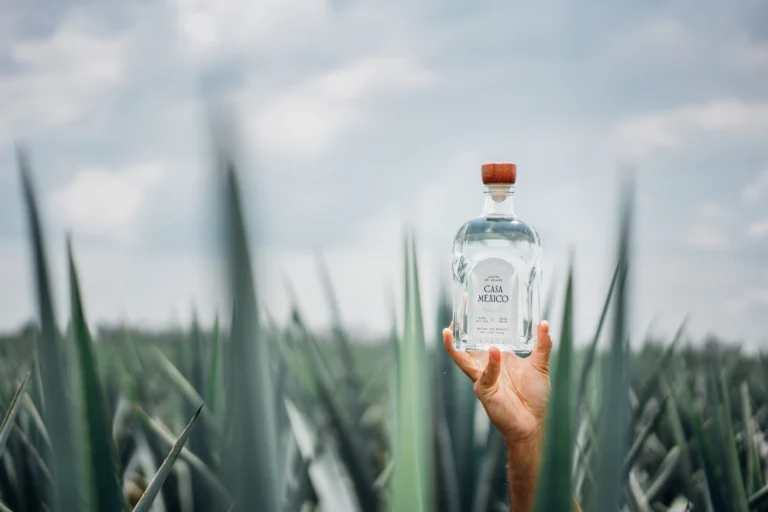
The practice focuses on evaluating taste, texture, and scent rather than consuming the liquid quickly. A proper sip involves holding the liquid in the mouth for 3 to 5 seconds, allowing the palate to register layers of agave, vanilla, pepper, or oak, depending on the expression. Tequila is a strong choice for sipping due to its complex flavor profile, which develops through the production process from agave harvesting to distillation and aging. Reposado and Añejo expressions aged in oak barrels develop richness and depth that reward slow consumption. The right glass, proper pacing, and optional food pairings (orange slices, dark chocolate, cinnamon) elevate the experience beyond simple consumption. Alcohol percentage from 35% to 55% Alcohol By Volume (ABV) influences the intensity of each sip, while the production method shapes the smoothness and aroma. The full range of expressions suited for sipping, from crisp Blanco to complex Añejo, is available at Casa Mexico Tequila.
1. Choose the Right Tequila
Choose the right tequila based on its alcohol percentage, as it affects the intensity of heat and burn perceived with each sip. The alcohol percentage directly influences how slowly and carefully the spirit is consumed. Higher alcohol levels require greater adjustment from the drinker to maintain comfort across multiple sips. A standard 40% ABV tequila delivers a manageable level of heat that palates tolerate without discomfort during slow sipping. Expressions above 45% ABV intensify the burn sensation on the tongue and throat, requiring smaller sip volumes and longer rest periods between sips. Lower-proof expressions at 35% to 38% ABV feel smoother on entry, reducing the perceived heat and making the flavor layers accessible. A clean, agave-forward flavor is experienced with Blanco Tequila.
2. Use the Right Glass
Use the right glass when sipping Tequila. Sipping with the right glass directs the aromatic compounds toward the nose and improves the sipping experience. A snifter or wine glass concentrates the vapors released by the tequila, allowing a full evaluation of scent before the first sip. A shot glass disperses aroma in directions, offering no sensory advantage for slow drinking in contrast. The narrow opening of a snifter traps volatile compounds, making scent detection precise and the tasting experience intentional. The proper glass makes the sensory journey better by amplifying aroma and flavor, adding depth to each sip.
3. Smell First
Smelling the tequila first establishes the aromatic profile before taste influences perception. Gently swirl the liquid to release volatile compounds, then bring the glass close and take a light sniff without inhaling too deeply. Deep inhalation at close range overwhelms the nasal receptors with alcohol vapor, masking the underlying scent. A measured sniff from 2 to 3 centimeters above the rim detects layered notes (citrus, pepper, vanilla, caramel, oak) without sensory fatigue. The process prepares the palate for the forthcoming flavors and makes the appreciation of the tequila’s complexity better, improving the tasting experience.
4. Take a Small Sip
Taking a small sip allows the liquid to coat the tongue evenly and reach taste receptor zones simultaneously. A volume of 5 to 10 milliliters per sip works well for evaluation purposes. Holding the tequila in the mouth for 3 to 5 seconds before swallowing gives the palate time to register sweetness, spice, and texture. Shooting the liquid bypasses the majority of flavor detection by moving it past the palate too quickly. Taking small, measured sips ensures that the tequila’s nuances are fully appreciated, enabling the drinker to detect subtle layers of flavor and texture.
5. Taste the Flavors
Taste the flavors in tequila. Tasting the flavors requires attention to the distinct layers that emerge at different stages of the sip. Sweet notes of agave nectar and vanilla are the first to appear, in Reposado and Añejo expressions. Pepper and earthy heat follow on the mid-palate, with Blanco tequila showing the flavors prominently as the sip continues. Towards the back palate, oak and smoke develop in aged expressions (Añejo), adding a woody depth to the profile. The finish of premium tequilas lingers for 10 to 30 seconds, revealing the final layer of complexity and enhancing the tasting experience.
6. Optional Pairings
Optional pairings for sipping tequila complement the spirit’s flavor profile without masking the agave character the way lime and salt do in shot culture. Pairing options suited for sipping tequila include orange slices, a pinch of cinnamon, and dark chocolate. Orange slices add sweetness and brighten the agave notes in Blanco and Reposado better. A pinch of cinnamon harmonizes with the oak and vanilla compounds in aged expressions, adding warmth. Dark chocolate pairs well with Añejo tequila, where its bitterness draws out caramel and dried fruit notes, providing a balanced contrast to the richness of the tequila.
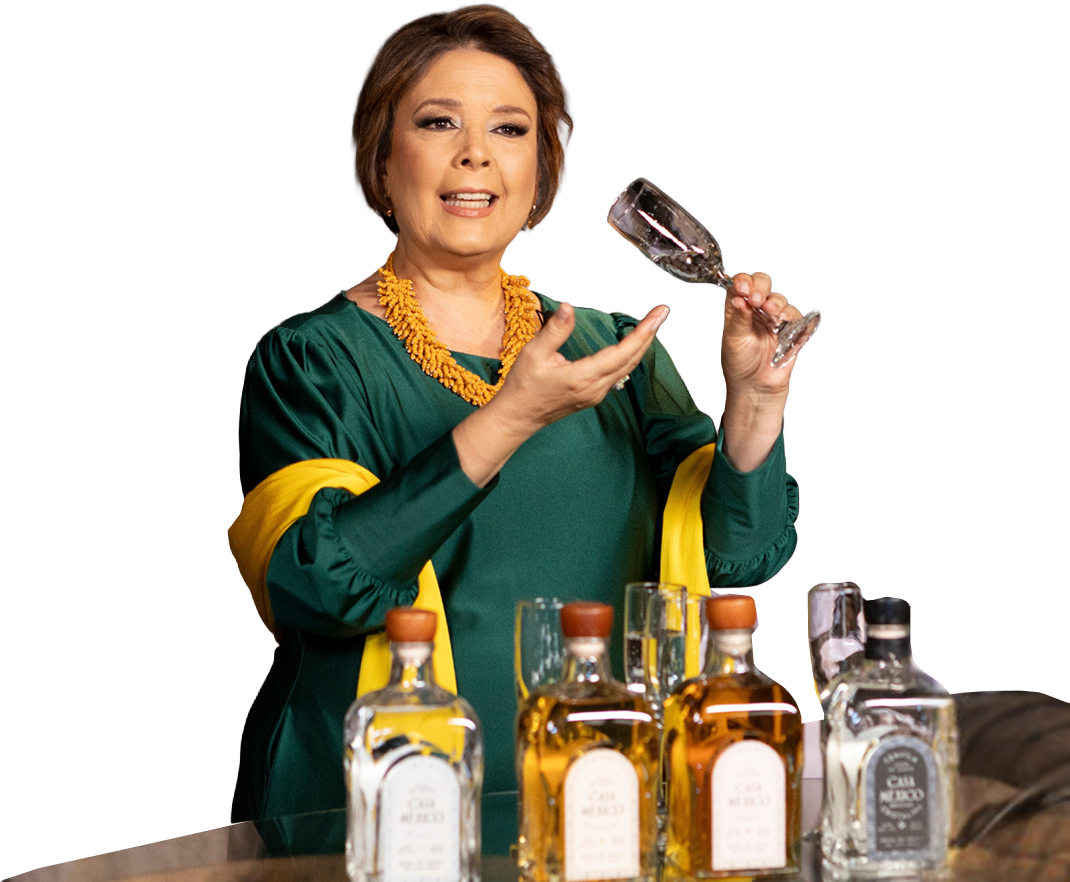
Meet Our Maestra Tequilera
Casa México Tequila is crafted under the guidance of world-renowned Maestra Tequilera Ana María Romero Mena. With decades of experience creating acclaimed tequilas and mentoring future generations of distillers, she brings both deep tradition and thoughtful innovation to the brand. From agave selection to distillation and aging, her expertise ensures every expression reflects authenticity, precision and exceptional quality.
7. Pace Yourself
Pacing yourself while sipping tequila preserves the sensory experience and prevents palate fatigue from dulling flavor perception. Taking small sips of 5 to 10 milliliters at a time maintains receptor sensitivity across multiple pours. Allowing 60 to 90 seconds from one sip to the next gives the palate time to reset and detect fresh layers in the subsequent sip. Rushing the pace collapses the tasting into a single undifferentiated impression rather than a layered evaluation. A slow, deliberate pace makes the tasting experience better by ensuring that each sip reveals the full depth of the tequila’s flavor profile.
What does Sipping Tequila Mean?
Sipping tequila means consuming it slowly and intentionally to evaluate its flavor, aroma, and texture rather than drinking for speed or effect. The practice prioritizes sensory engagement, with each sip held in the mouth for 3 to 5 seconds before swallowing to allow full flavor detection across the palate. Small volumes (5 to 10 milliliters) consumed per sip give the taster time to identify layered notes (agave, vanilla, oak, pepper) that disappear when the liquid moves too quickly. The focus shifts from consumption to evaluation, treating the spirit the same way a wine taster approaches a complex red. Sipping reflects an appreciation of production quality, rewarding the distiller’s decisions around aging, distillation, and agave sourcing with deliberate attention at the point of drinking.
What is Sipping Tequila Compared to Shots?
Sipping tequila is a slow, deliberate method of consumption focused on flavor evaluation, while taking shots is a fast consumption method that prioritizes speed over sensory experience. The two approaches differ fundamentally in purpose, pace, and the type of tequila suited to each. Sipping values the aromatic profile, texture, and flavor complexity developed through production. A Reposado aged 2 to 12 months or an Añejo aged 1 to 3 years delivers layers that reward slow drinking. Shots move the liquid past the palate too quickly for flavor detection, making high-quality aged expressions unsuitable for the format. Shots rely on lime and salt to mask harshness, while sipping relies on the tequila’s intrinsic quality to deliver a complete, self-contained experience without accompaniments.
Is Tequila Meant to Be Sipped?
Yes, tequila is meant to be sipped. Premium 100% agave expressions are crafted for flavor appreciation, with production decisions around aging, distillation, and agave sourcing that build complexity that rewards slow drinking. Reposado and Añejo expressions aged in oak barrels develop smooth textures and layered flavor profiles (vanilla, caramel, oak, dried fruit) that disappear when consumed at shot speed. Blanco tequila, though unaged, carries crisp agave-forward notes that a slow sip reveals fully. The grade of the tequila largely determines the appropriate method, with premium expressions consistently performing better when sipped rather than shot.
Why is Tequila a Good Choice for Sipping?
Tequila is a good choice for sipping due to its complex, layered flavor profile built from natural agave and shaped by distillation and aging. Tequila offers a range of taste experiences across its expressions, from the fresh, herbaceous character of Blanco to the deep caramel and oak complexity of Añejo. Natural ingredients drive the flavor development at each stage. Blue Weber agave plants harvested at 7 to 10 years of maturity contribute sugars that ferment into a base with inherent sweetness and earthiness. Aging in oak barrels from 2 months (Reposado) to 3 years (Añejo) adds successive layers of vanilla, spice, and wood. The result is a spirit with enough sensory depth to sustain a slow, attentive drinking pace across multiple sips.
What Qualities Make Tequila Ideal for Slow Drinking?
The qualities that make tequila ideal for slow drinking are listed below.
- Smoothness: Premium 100% agave tequila produces minimal burn on the palate, in Reposado and Añejo expressions aged long enough to soften the raw alcohol edge. The aging process rounds out the edges, creating a smooth texture that enhances the drinking experience. The smoothness encourages taking a second sip, as the tequila remains pleasant without overwhelming the palate.
- Aroma: The rich agave scent, combined with barrel-derived notes like vanilla, caramel, and oak, provides complexity that engages the senses before the first sip reaches the tongue. The fragrance gives the drinker an initial preview of the flavor profile, heightening anticipation. The aromatic compounds prepare the palate, making the experience immersive and enjoyable.
- Complexity: The flavors develop slowly and reward drinkers who sip carefully and attentively, rather than rushing through the tasting. The depth of the tequila, in aged expressions, showcases the art of production and the craftsmanship behind each bottle.
- Balance: An even taste profile where no single element (sweetness, spice, or heat) overpowers the others sustains interest across the full drinking session. The balance allows each note to shine without overwhelming the others, making each sip harmonious. The equilibrium keeps the tequila interesting and enjoyable throughout the entire drinking session, enhancing the overall sensory journey.
Is Tequila Better Sipped Than Taken as a Shot?
Yes, tequila is better sipped than taken as a shot. Shots suit lower-grade mixto tequilas that rely on lime and salt to mask harshness, while premium 100% agave expressions deliver the value through the flavor complexity that slow sipping reveals. Sipping exposes the layered notes (agave, vanilla, oak, dried fruit) developed through aging and distillation, none of which register at shot speed. Shots move the liquid past the palate in under a second, collapsing the flavor into a single impression of heat. The method depends on the quality of the expression, with preference shaping the final choice when quality sits in the middle range.
Should You Mix Tequila or Sip It Straight?
Tequila mixed into cocktails or sipped straight depends on the type and quality of the expression. Premium 100% agave tequila (Reposado, Añejo, Cristalino) is suited to be sipped straight to preserve the flavor complexity built during aging and distillation. Mixing Blanco tequila in cocktail formats where the crisp, agave-forward character integrates well with citrus and other ingredients without overwhelming the blend. Straight drinking highlights the full aromatic and flavor profile of aged expressions, delivering notes (vanilla, oak, caramel) that dissolve when mixed with other liquids. Quality guides the method in practice, with higher-grade expressions consistently performing better straight than in a mixed format.
How does Tequila Production Influence How You Sip It?
Tequila production influences how you sip it by determining the smoothness, aroma, and flavor complexity present in the glass. Production decisions around agave sourcing, fermentation, distillation, and aging define the sensory profile that sipping either reveals or wastes. Distillation refines the alcohol content to 35% to 55% ABV and removes impurities that create a harsh, unpleasant burn on the palate. A cleaner distillation produces a smoother base that requires less adjustment from the drinker when sipping slowly. Agave quality and maturity at harvest (7 to 10 years for Blue Weber agave) directly shape the sweetness and earthiness available for the palate to detect. Better production decisions at each stage reduce harshness and increase the reward of slow, attentive sipping.
How do Aging and Distillation Shape Sipping Flavor?
Aging and distillation shape sipping flavor by contributing distinct layers of complexity at separate stages of production. Distillation establishes the purity and clarity of the base spirit, while aging adds the depth and softness that define premium sipping expressions. Distillation removes sulfur compounds, methanol, and other impurities that produce harsh, unpleasant sensations on the palate. A double-distilled tequila delivers a cleaner, smoother base than a single-pass product, directly reducing the burn perceived during sipping. Barrel aging adds esters, tannins, and lactones from the wood, producing vanilla, caramel, and spice notes across the 2-month to 3-year aging range. Each additional month in the barrel softens the raw alcohol edge and builds aromatic complexity that rewards the slow pace of deliberate sipping.
Does Longer Aging Improve Tequila for Sipping?
Yes, longer aging improves tequila for sipping. Longer aging creates a smoother texture and richer flavor complexity. Time spent in oak barrels reduces the harsh, raw alcohol character of freshly distilled spirit and replaces it with vanilla, caramel, dried fruit, and wood notes that define premium sipping expressions. A Reposado aged 2 to 12 months shows noticeably less agave sharpness than a Blanco, while an Añejo aged 1 to 3 years delivers the deepest complexity across all flavor layers. Over-aging beyond 3 years (Extra Añejo) risks shifting the profile toward wood dominance, where oak flavors overpower the agave base and reduce balance.
How do Tequila Flavors Influence the Sipping Experience?
Tequila flavors influence the sipping experience by determining how much sensory engagement each sip delivers and how the drinker slows the pace to process the complexity. Complex flavor profiles encourage deliberate, unhurried consumption, while simple or harsh profiles offer less incentive to linger over each sip. Layered expressions with sweet (agave, vanilla), spicy (pepper), and woody (oak) notes across the front, mid, and back palate create a full tasting arc that rewards attention. A finish lasting 10 to 30 seconds in premium expressions extends the sensory experience beyond the sip itself, reinforcing the slow drinking pace to savor the Tequila flavors. Simpler profiles with little flavor progression give the drinker nothing to evaluate sips, reducing the experiential depth that makes slow consumption worthwhile.
What Should You Notice About Tequila Taste and Smell When Sipping?
You should notice the aroma, smoothness, and flavor layers that together define the quality of the expression when sipping tequila. Each element reveals a different aspect of the production process and the care applied at each stage, from agave harvesting to barrel aging. Smell reveals the volatile aromatic compounds (citrus, vanilla, pepper, oak) before the liquid touches the palate. A light sniff from 2 to 3 centimeters above the rim detects scent without overwhelming the nasal receptors with alcohol vapor. Taste confirms the balance across the front palate (sweetness), mid palate (spice, earthiness), and back palate (wood, smoke in aged expressions). The finish length, ranging from 5 seconds in basic expressions to 30 seconds in premium Añejo, signals the depth of flavor built during production.
Does Aroma Affect How You Sip Tequila?
Yes, aroma does affect how you sip tequila. A strong, complex aromatic profile signals quality and encourages slow, attentive drinking by engaging the sensory experience before the liquid reaches the palate. Scent primes the brain to expect specific flavor notes, sharpening perception of sweetness, spice, and wood during the sip itself. A rich aroma from barrel-aged expressions (Reposado, Añejo) creates anticipation that slows the drinking pace instinctively. Expressions with thin or harsh aromas provide less pre-sip engagement, reducing the incentive to pause and evaluate. Aroma is a quality indicator and a pacing guide, directly shaping how deliberately the drinker approaches each subsequent sip.
How does Tequila Alcohol Percentage Affect Sipping?
Tequila alcohol percentage affects sipping by determining the intensity of heat and burn perceived with each sip, which directly influences how slowly and carefully the spirit gets consumed. Higher alcohol levels require greater adjustment from the drinker to maintain comfort across multiple sips. A standard 40% ABV tequila delivers a manageable level of heat that palates tolerate without discomfort during slow sipping. Expressions above 45% ABV intensify the burn sensation on the tongue and throat, requiring smaller sip volumes and longer rest periods from one sip to the next. Lower-proof expressions at 35% to 38% Tequila Alcohol Percentage feel smoother on entry, reducing the perceived heat and making the flavor layers accessible.
What is the Typical Tequila Alcohol Percentage?
The typical tequila alcohol percentage sits at 38% to 40% ABV. 38% to 40% ABV is the standard range across commercial expressions worldwide. Mexican regulations set 35% ABV as the legal minimum, while export markets (United States, European Union) require a minimum of 40% ABV for imported tequila. The 40% ABV standard reflects a balance from 35% to 55% ABV that preserves flavor integrity while keeping the heat at a level suited to comfortable sipping. Artisanal and limited-release expressions appear at 45% to 55% ABV, offering strong preservation properties and concentrated flavor intensity at the cost of increased burn. The ABV printed on the label directly corresponds to the distillation decisions made during production, connecting strength to the flavor and sipping experience.
Does Higher Alcohol Percentage Change How You Sip Tequila?
Yes, a higher alcohol percentage does change how you sip tequila. A higher ABV intensifies the burn sensation on the palate, requiring smaller sip volumes and slower pacing to maintain comfort across the tasting session. A tequila at 50% ABV demands control per sip, as the increased ethanol concentration amplifies heat on the tongue and throat. Adjusting to smaller sips of 3 to 5 milliliters and extending the rest period from 90 seconds to 2 minutes from one sip to the next reduces discomfort and keeps the palate receptive to flavor detection. The adjustment improves tasting comfort and allows the drinker to evaluate the full aromatic and flavor profile without sensory fatigue.