 EN
EN ES
ES PL
PL TR
TR
Tequila is a distilled Mexican spirit made exclusively from sugars derived from Agave tequilana Weber blue variety and produced within legally designated regions of Mexico under strict regulatory standards. One mature agave plant produces more than one bottle of tequila because a single piña weighing about 50 kilograms yields nearly six to seven liters of finished spirit. A standard 750 milliliter bottle represents roughly one eighth to one fifth of a mature agave heart based on average extraction outcomes.
Agave input calculations rely on yield measurements expressed per liter of tequila produced. Average production benchmarks indicate that one liter of tequila requires seven to eight kilograms of cooked blue agave after accounting for cooking loss, extraction loss, and distillation reduction. A 50-kilogram agave heart. The production supports about seven liters of tequila, translating into eight to nine standard bottles per plant. Larger agave plants exceeding 80 kilograms increase total output but follow the same proportional input relationship per liter. Industrial distilleries scale production by processing thousands of plants to meet volume targets, while artisanal producers allocate fewer plants for limited batches.
Agave cultivation requires six to ten years to accumulate sufficient fermentable sugars to meet production standards. Raw material planning in tequila production depends on agave weight, sugar concentration measured in Brix, and extraction method efficiency. Each liter of tequila reflects a calculated conversion of plant biomass into alcohol through cooking, fermentation, and distillation.
How much Agave to be considered Tequila?
51% fermentable sugars derived from Agave are considered to be a tequila. Mexican regulations require tequila to derive a minimum of fifty-one percent of its fermentable sugars from blue agave. Tequilas labeled as one hundred percent agave rely solely on agave sugars without the inclusion of cane sugar or corn-based sweeteners. Bottles produced with supplemental sugars fall under the mixto classification. Oversight organizations, the Consejo Regulador del Tequila, the Secretaría de Economía, and the Norma Oficial Mexicana monitor compliance to protect origin, plant usage, and labeling accuracy. Distillers operate within the regulatory frameworks to preserve authenticity and legal recognition.
How many Agave Plants are needed to make Tequila?
One agave plant is needed to make tequila because one mature blue agave plant produces six to seven liters of tequila. The total number of plants required is dependent on production volume, individual plant weight, sugar concentration, and scale of distillation. A single piña weighing 50 kilograms yields six to seven liters of tequila. Large industrial batches require thousands of individual plants harvested at peak maturity. Small artisanal distilleries use fewer plants to produce limited edition runs. Farmers wait six to ten years for a plant to reach its ideal size for processing.
How many Agave Plants to make a Bottle of Tequila?
It takes one-eighth to one-fifth of a mature agave heart to suffice for a single bottle. A standard 700 ml or 750 ml vessel utilizes 5 to 6 kilograms of raw plant material. High-quality production methods favor larger hearts for the higher sugar concentration. Tequila distilleries transform the cooked fibers into liquid gold through fermentation and distillation. Tequila is the fermented and distilled heart of the agave plant in a bottle. Tequila is the culmination of the journey of an agave plant in bottle
How much Tequila from One Agave Plant?
One agave plant makes five to ten liters of tequila. A mature agave heart weighing 50 kilograms typically yields about 7 liters of finished spirit. Larger agave exceeding 80 kilograms produces greater volume. Extraction techniques (tahona wheels or diffusers) influence the final output per plant. Tequila distillers monitor sugar levels (Brix) to maximize the harvest, and each plant serves as a concentrated source of fermentable carbohydrates. Commercial bottling reflects regulated tequila alcohol percentage standards.
What Plant is Used to Make Tequila?
The plant used to make tequila is the Agave Tequillana Weber variety (Blue Agave, Espadín, and Tobalá). The succulent features long, spiked leaves and a dense central core used for juice extraction. Farmers harvest the agave plant once it reaches maturity and remove the leaves to reveal the heart. The resulting piña resembles a giant pineapple before it undergoes cooking. Distilleries process the hearts to convert starches into fermentable sugars. Authentic production occurs within specific regions (Jalisco, Guanajuato, Michoacán, Nayarit, and Tamaulipas) of Mexico to protect the agave plant heritage. Traditional methods (harvesting mature agave by hand with a coa, slow cooking the piñas in brick ovens or stone pits, crushing cooked fibers using tahona stone wheels, fermenting extracted juice in open wooden vats) preserve the natural flavors of the agave.
Meet Our Maestra Tequilera
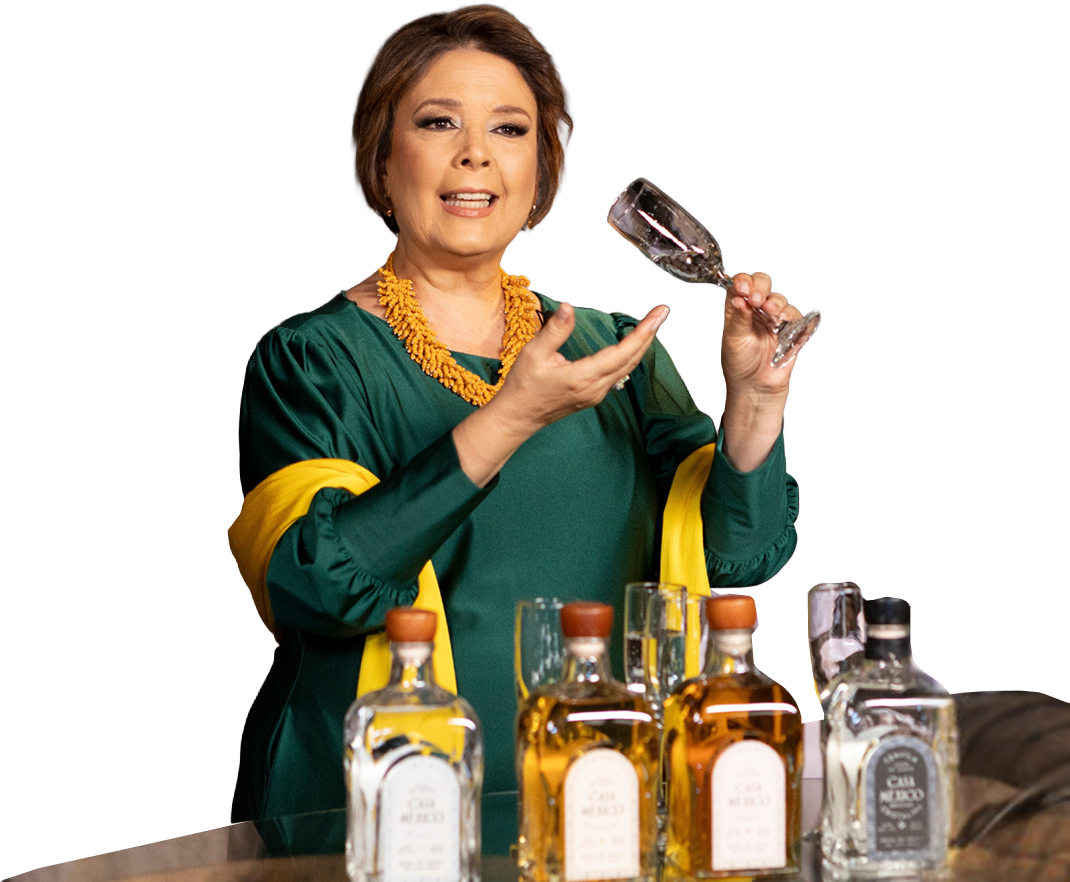
Casa México Tequila is crafted under the guidance of world-renowned Maestra Tequilera Ana María Romero Mena. With decades of experience creating acclaimed tequilas and mentoring future generations of distillers, she brings both deep tradition and thoughtful innovation to the brand. From agave selection to distillation and aging, her expertise ensures every expression reflects authenticity, precision and exceptional quality.
What are the Types of Agave Plants for Tequila?
The types of agave plants for tequila are listed below.
- Blue Agave: Agave tequilana Weber variety is the only species permitted for legal tequila production in Mexico. Blue agave matures in 6 to 10 years and develops high concentrations of fermentable sugars. The plant produces the world-renowned tequila spirit found in global markets.
- Espadín: Agave angustifolia serves as the primary source for most mezcal varieties produced in Oaxaca. It grows faster than many wild species and adapts well to cultivation. The plant yields a spirit characterized by smoky and herbal flavor profiles.
- Tobalá: Agave potatorum is a wild agave variety used for premium artisanal mezcal production. It grows much smaller than blue agave and requires careful harvesting from rocky terrains. Producers select from various types of agave plants for tequila to create different flavor profiles.
What Agave makes the Best Tequila?
The Agave that makes the best tequila is Blue Weber Agave. Blue Weber Agave grown in the Los Altos region of Jalisco produces the best tequila due to its high-altitude soil that provides higher sugar content and a fruitier flavor profile compared to lowland varieties. Traditional producers fully mature plants that have grown for eight years. Proper maturity ensures the complex chemical compounds for a premium spirit. Tequila distillers look for piñas with a high Brix level to maximize quality. The resulting spirit offers a balance of earthy and sweet notes.
How long does it take to Grow Agave for Tequila?
It takes six to ten years to grow agave for tequila. The growth cycle begins with the planting of small offsets (hijuelos) taken from adult plants. Succulents spend years absorbing nutrients and sunlight to develop a sugar-rich heart. Farmers monitor the plants for signs of peak ripeness (the emergence of a quince). Harvesting the agave too early results in low sugar content and poor-quality spirits. Patient cultivation ensures the complex flavor profile expected in aged tequilas.
How long Blue Agave take to Grow for Tequila?
It takes seven years for the blue agave to grow for tequila. Blue agave takes seven years to grow for tequila before it reaches maturity. Environmental factors (soil quality and rainfall) influence the specific timeline for each plantation. Highlands blue agave plants in Los Altos de Jalisco grow slower and develop sweeter characteristics compared to lowland varieties in Tequila Valley. The maturation process concludes when the plant prepares to send up its flower stalk. Highland blue agave plants have a high elevation region characterized by red volcanic soil, cooler temperatures (18°C to 26°C), and higher rainfall that promote slower growth and higher natural sugar concentration in the agave heart. The lowland blue agave has warmer temperatures (25°C to 32°C), lower elevation, and mineral-rich volcanic soil, which promote faster growth and produce earthier, more herbal flavor characteristics. Harvesters then harvest the blue agave to preserve the sugar within the heart for distillation. Successful growth requires consistent climate conditions throughout the entire decade.
How is Tequila Made from Agave?
To make tequila from agave, follow the five steps listed below.
- Cut down fully grown blue agave plants. Sugar development of long leaves is removed to isolate the compact core used for production. Only mature plants enter the production cycle.
- Control the heating of cores. Heat transforms stored carbohydrates into usable sugars. Timing and temperature (90°C to 100°C) influence the character of the final spirit.
- Breakdown softened cores. Broken down to release their liquid content. Juice separation occurs as solid fibers are discarded or reused. The collected liquid serves as the fermentable base.
- Ferment the liquid. Yeast activity converts sugars into alcohol in three to seven days under stable conditions. Alcohol content develops naturally during the phase.
- Distill the liquid. Alcohol concentration increases while impurities are removed during the final stage of how is tequila made. The refined spirit marks the completion of the process.
How long does it take to Make Tequila?
It takes one week to three years to make tequila. Blanco tequila enters bottles shortly after distillation and completes production in one to two weeks. Reposado tequila spends a short maturation period in oak barrels that begins at two months. Añejo tequila ages in wood for a prolonged period that extends up to three years, resulting in a longer production timeline.
Can Agave Produce Other Types of Alcohol?
Yes, agave produces other types of alcohol. The Mezcal, Raicilla, and Pulque are types of alcohol that can be made from agave. Mezcal utilizes agave and features a distinct smoky flavor from roasted hearts. Raicilla comes from specific regions (Oaxaca, Guerrero, Durango, Zacatecas, and San Luis Potosí) and uses different distillation techniques for unique profiles (distinct combinations of aroma, flavor, texture, and finish). Pulque is a traditional fermented (not distilled) beverage made from the fresh sap of mature plants. Each spirit highlights the biological diversity of the agave family across Mexico. Alcohol producers utilize different parts of the plant to create diverse beverages. Ancient civilizations utilized agave for spiritual and nutritional purposes long before modern distillation. The versatility of the agave plant supports a wide range of different types of alcohol.
How to Make Tequila from Agave at Home?
To make tequila agave at home, follow the five steps below.
- Source high-quality agave syrup or nectar. Acquire mature blue agave hearts or high-quality agave nectar for the base. Fresh hearts require preparation (cooking and crushing) compared to prepared syrups.
- Mix the agave nectar with warm water and specialized yeast in a sanitized vessel. Boil the agave material in water to create a fermentable mash. Home brewers ensure the temperature remains consistent to avoid scorching the sugars.
- Ferment the liquid in a dark place. The liquid should be in a dark place for five to seven days. The mixture stays in a dark place for several days until bubbling ceases.
- Distill the wash twice using a small countertop pot. Run the fermented wash through a small pot to separate the alcohol. Safety precautions remain essential when handling heat and flammable vapors.
- Maintain a consistent temperature. Use organic agave syrup for a cleaner and more authentic plant taste. Sanitization remains an important step for successful home distillation.
Successful home tequila production depends on sanitation, ingredient quality, temperature control, legal awareness, and realistic expectations. Strict sanitation prevents bacterial contamination that ruins fermentation. High-quality agave syrup or properly cooked blue agave hearts provide higher fermentable sugar content. Stable fermentation temperature preserves clean flavor development and prevents stalled yeast activity. Controlled heat during distillation prevents scorching and unwanted harsh compounds. Copper contact during distillation improves aroma clarity and reduces sulfur notes. Accurate cuts between heads, hearts, and tails improve flavor balance and drinkability. Aging in neutral glass preserves blanco character, while oak contact adds complexity when legally permitted. Local laws govern alcohol distillation and determine legality and compliance requirements.
Can you make Tequila from Agave Syrup at Home?
Yes, you can make tequila from agave syrup at home by fermenting the diluted nectar with yeast. The syrup provides a convenient source of concentrated sugars without the need for heavy machinery. Traditional tequila requires fresh piñas to be harvested. Home-distilled products lack the official “Tequila” designation due to international trade protections. Tequila enthusiasts call the creations “Agave Spirits” to respect the geographic naming rights. Simple fermentation setups allow for experimentation with different yeast strains and aging techniques. The agave syrup process requires careful attention to detail to ensure safety and quality in the final liquid. Home enthusiasts find satisfaction in creating their own unique variations of the traditional Mexican spirit. Distilling at home remains a complex hobby that requires proper education and equipment.
Is it better to Buy Tequila or Make it at Home?
Yes, buying tequila is better than making it at home. The complexity and legal restrictions of the production process. Commercial distilleries possess industrial equipment (autoclaves and large stills) that ensures consistency and safety. Making spirits at home involves significant time investments and potential legal risks in many jurisdictions. Professional distillers follow strict quality controls to eliminate harmful alcohols (methanol) during the run. Purchasing a bottle provides immediate access to high-quality spirits aged for years in oak barrels. The convenience and reliability of retail products outweigh the difficulties of home distillation. Artisanal brands (Fortaleza, El Tesoro, G4, Siete Leguas) offer unique flavors that are difficult to replicate in a home kitchen environment. Safety concerns regarding distillation equipment make commercial products a more secure choice for the average person.
What is the difference Between Tequila and Mezcal?
The difference between tequila and mezcal lies in the exclusive use of Agave tequilana Weber, grown primarily in Jalisco for tequila, and the use of multiple agave species cultivated across Oaxaca, Guerrero, and Durango for mezcal. Tequila production relies on Agave tequilana Weber and uses enclosed cooking systems that emphasize clean and fresh agave notes. Mezcal production draws from numerous agave species and applies open-pit roasting, which introduces deeper and more robust flavor compounds. Mexican regulations restrict each spirit to specific states (Oaxaca, Guerrero, Durango), reinforcing identity, origin, and naming rights within the structure of Mezcal vs Tequila. The tequila and mezcal spirits originate from agave but express contrasting aromas, textures, and flavor depth shaped by tradition and environment.
What Agave Plant is Mezcal Made From?
Mezcal is made from a wide variety of agave plants (Agave angustifolia, Agave potatorum, and Agave durangensis). Espadín serves as a common variety due to its high sugar content and ease of cultivation. Wild agaves (Tobalá or Tepeztate) create rare and complex mezcals with unique regional characteristics. Alcohol producers often blend different species of agave to achieve a specific flavor profile in the final spirit. The diversity of raw materials allows for a broad spectrum of smoky and earthy notes. Each plant imparts the terroir of its specific growing environment into the mezcal.
Is Mezcal a Type of Tequila?
No, mezcal is not a type of tequila because tequila is a specific type of mezcal. The category of mezcal encompasses any spirit distilled from agave plants. Tequila functions as a subset with stricter regulations regarding plant species and geographic location. One compares the relationship to that of scotch and whiskey or champagne and sparkling wine. Tequilas fit the technical definition of mezcal based on their botanical origin. Mezcal maintains its identity through traditional roasting and diverse agave selection. Legal frameworks protect both names as denominations of origin under international law. Mezcal offers a broader spectrum of flavors (smoky, earthy, mineral) due to the inclusion of wild agave species.
Is Tequila made from Agave the same as Mezcal?
No, Tequila is not made from agave, the same as mezcal. Discrepancies in the cooking process (steaming versus roasting) lead to different chemical compositions and flavors. The geographical regions authorized for production do not overlap with the two spirits. Tequila relies on a single plant species (Agave tequilana Weber). Mezcal utilizes dozens of wild and cultivated varieties (Agave angustifolia Espadín, Agave potatorum Tobalá, and Agave karwinskii Madrecuixe). Industrial standards for tequila differ from the artisanal or ancestral methods used for mezcal. Consumers distinguish them by the prominent smokiness found in mezcal and the bright notes of tequila.