 EN
EN ES
ES PL
PL TR
TR
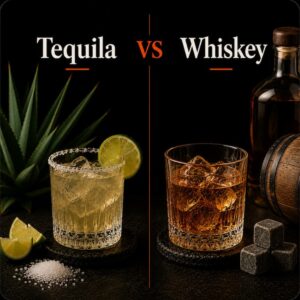
Tequila is a distilled spirit produced from the blue agave plant (Agave tequilana), native to the Jalisco region of Mexico, carrying a protected designation of origin. Tequila expressions range from unaged Blanco to barrel-rested Reposado and Añejo, each delivering distinct flavor profiles from herbal and citrus-forward to rich and oak-driven. Whiskey is a grain-based distillate produced from fermented mash (barley, corn, rye, or wheat), aged in oak barrels across production regions including Scotland, Ireland, the United States, and Japan. The aging requirement for whiskey is a defining characteristic, as most classifications mandate a minimum period in wood before bottling.
The two spirits differ in raw materials, production methods, regional regulations, flavor profiles, and cultural contexts. Tequila carries earthy, vegetal, and peppery notes rooted in agave, whereas whiskey expresses caramel, vanilla, smoke, or spice depending on grain composition and barrel type. Alcohol by volume (ABV) ranges overlap, averaging 38% to 55% ABV, yet their drinking occasions, cocktail applications, and aging classifications differ. Understanding the distinctions from production to palate clarifies which spirit suits a given preference or occasion.
What is the Difference Between Tequila and Whiskey
The difference between tequila and whiskey lies in the source ingredient, geographic origin, and production regulation. Tequila derives from blue agave harvested in designated Mexican territories, specifically in Jalisco. Whiskey is produced from grain mash (barley, corn, rye, or wheat) across multiple countries, each governed by its own legal standards.
Fermentation marks the clearest separation, agave piñas are cooked, crushed, and fermented for tequila, whereas grain mash undergoes malting or mashing before fermentation for whiskey. Distillation differs, tequila is pot-distilled twice, while whiskey production varies from double to triple distillation depending on style. Aging is mandatory for whiskey classifications, with bourbon requiring a minimum period in new charred oak, while Blanco tequila reaches bottles without any barrel contact. Flavor distinctions follow from the base, tequila presents herbal, citrus, and mineral notes, whereas whiskey delivers caramel, smoke, vanilla, or dried fruit depending on grain and barrel. The differences from tequila to whiskey across different types of tequila reflect how ingredients and origin shape every stage of spirit production.
How are Tequila and Whiskey made Differently?
Tequila and whiskey are made differently at the raw material, cooking, fermentation, distillation, and aging stages. Tequila begins with harvested blue agave piñas, which are slow-roasted in brick or autoclave ovens to convert complex carbohydrates into fermentable sugars. The cooked piñas are then crushed, traditionally by a tahona stone, to extract aguamiel (agave juice), which ferments with wild or cultured yeast before undergoing two rounds of distillation in copper pot stills.
Whiskey production starts with grain (barley, corn, rye, or wheat), which is milled, mashed with hot water to release starches, and converted to sugar through enzymatic activity or malting. The resulting liquid, called wash or beer, ferments with added yeast before distillation in pot or column stills, depending on whiskey style. Post-distillation, whiskey is placed into oak barrels for mandatory aging and new charred oak for bourbon, and used barrels for Scotch. Tequila aging is category-dependent, Blanco skips aging entirely, while Reposado and Añejo rest from 2 months to 3 years. The full scope of how tequila is made illustrates how agave-driven production distinguishes it fundamentally from grain-based whiskey.
What are the Full Production Steps for Tequila and Whiskey?
The full production steps for Tequila and Whiskey follow distinct processes, each with its unique characteristics, from raw ingredient preparation to bottling. The two spirits have distinct methods of aging and flavor development, with tequila relying heavily on the agave’s sweetness and whiskey benefiting from barrel aging and blending. The seven steps for the full production of Tequila and Whiskey, including their differences, are listed and explained below.
Tequila Production Steps
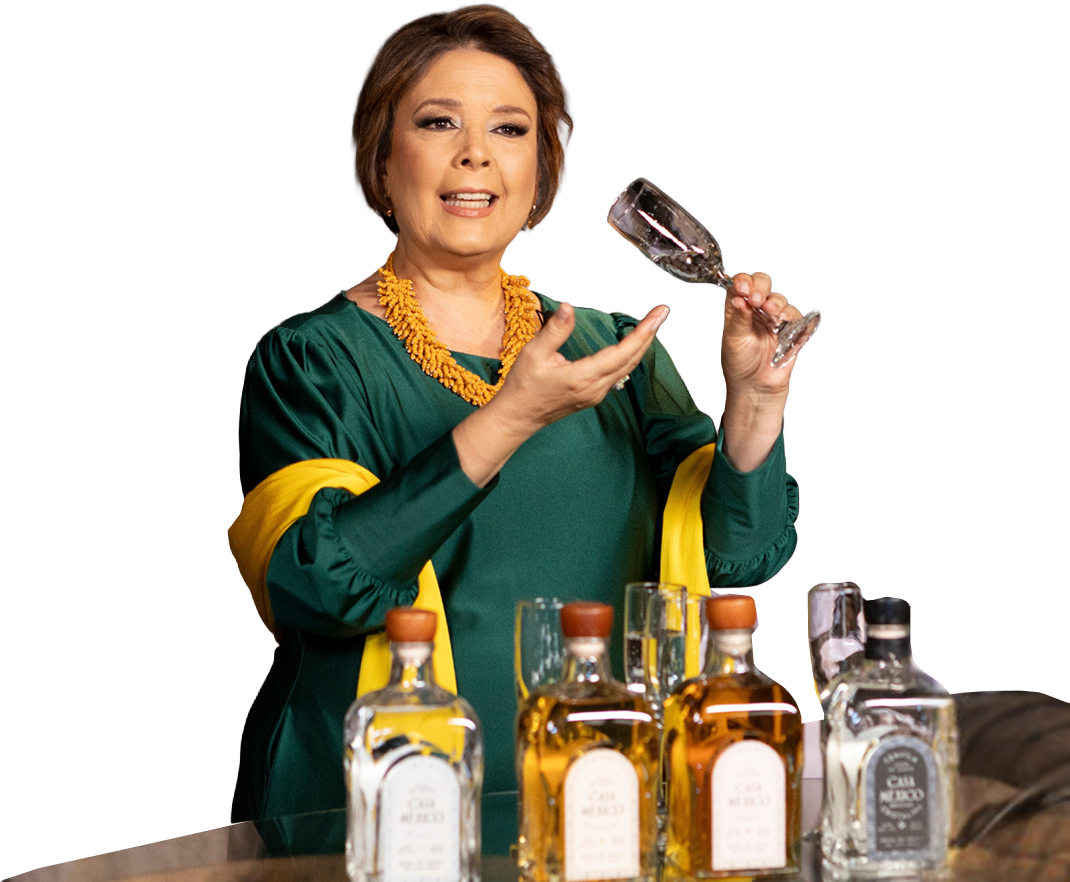
Meet Our Maestra Tequilera
Casa México Tequila is crafted under the guidance of world-renowned Maestra Tequilera Ana María Romero Mena. With decades of experience creating acclaimed tequilas and mentoring future generations of distillers, she brings both deep tradition and thoughtful innovation to the brand. From agave selection to distillation and aging, her expertise ensures every expression reflects authenticity, precision and exceptional quality.
- Agave Harvesting: Mature agave plants, 7 to 12 years old, are harvested. The leaves are cut off to reveal the piña, or core.
- Cooking: The piñas are cooked in large ovens or autoclaves to break down complex sugars into fermentable sugars.
- Extraction: The cooked piñas are crushed, using a traditional stone wheel or mechanical shredder, to extract the juice.
- Fermentation: The juice is placed in fermentation tanks, where yeast is added to convert sugars into alcohol. This process lasts several days.
- Distillation: The fermented liquid undergoes two rounds of distillation in either pot stills or column stills to purify and concentrate the alcohol.
- Aging (Optional): Tequila can be aged in oak barrels, with Blanco being bottled immediately. Reposado, Añejo, and Extra Añejo are aged for different periods.
- Bottling: The tequila is filtered, diluted to the desired alcohol content, and bottled for distribution. The process results in various types of tequila (Blanco, Reposado, Añejo, and Extra Añejo).
Whiskey Production Steps
- Malt Preparation: Grains, barley for malt whiskey, and corn, rye, or wheat for other types, are prepared. Barley is soaked in water to encourage germination.
- Mashing: The grains are ground into a mash and mixed with hot water to extract fermentable sugars.
- Fermentation: Yeast is added to the mash to ferment the sugars into alcohol.
- Distillation: The fermented mash undergoes distillation, usually twice, in either pot or column stills to concentrate and purify the alcohol.
- Aging: The distilled liquid is aged in charred oak barrels (for Bourbon and Rye) or used barrels (for Scotch), which imparts flavor to the whiskey.
- Blending (Optional): Whiskies are blended to maintain consistency in flavor.
- Bottling: The whiskey is filtered, diluted to the desired alcohol content, and bottled.
Which one is better Whiskey or tequila for margaritas?
Tequila is better for margaritas. Tequila’s earthy, vegetal flavors complement the citrus elements of the cocktail, creating a balanced and traditional taste. Whiskey can be used for variations like a “Whiskey Margarita,” but it does not provide the same classic flavor profile that tequila does in the drink.
The comparison table for Whiskey and Tequila for margaritas is listed below.
| Factors | Tequila | Whiskey |
| Base Ingredient | Blue agave | Grain (barley, corn, rye, wheat) |
| Flavor Profile | Herbal, citrus, mineral, peppery | Caramel, vanilla, smoke, spice |
| Margarita Compatibility | Standard and preferred base | Non-traditional substitute |
| ABV Range | 38% to 55% | 40% to 65% |
| Sweetness Level | Low to moderate | Moderate to high (barrel-derived) |
| Citrus Pairing | Natural affinity | Moderate compatibility |
| Common Margarita Variants | Classic, spicy, frozen | Whiskey sour (similar structure) |
| Regulatory Origin | Jalisco, Mexico (DOO protected) | Scotland, USA, Ireland, Japan |
| Color (Unaged) | Clear | Clear (white dog) or amber |
| Aged Expression for Cocktails | Reposado (2 to 12 months) | Bourbon (2+ years) |
| Traditional Margarita Use | Yes | No |
| Salt Rim Compatibility | High | Low |
Tequila is an agave-derived spirit with citrus, herbal, and mineral notes that pair with lime juice and triple sec. The salt rim amplifies tequila’s natural mineral character, creating a cohesive flavor structure across each sip. Whiskey introduces barrel-driven caramel and grain sweetness that flattens lime’s sharpness, shifting the drink closer to a whiskey sour. The salt rim further conflicts with whiskey’s sweetness, producing an unbalanced palate. Reposado tequila (aged 2 to 11 months) at [$25 to $45] per 750 milliliters delivers the optimal balance of agave character and subtle oak for a premium margarita, making tequila margaritas the clear standard over whiskey-based alternatives.
What is the Nutrition and Alcohol Content Comparison of Tequila and Whiskey?
The nutrition and alcohol content comparison of tequila and whiskey shows near-parallel baselines, with minor differences tied to fermentation method and added sugar composition. A standard 1.5 oz (44 ml) serving of Blanco tequila contains 96 to 98 kilocalories, 0 grams of sugar, 0g fat, 0g protein, and 0g carbohydrates at 38 to 40% Alcohol by Volume (ABV). Whiskey registers at 105 calories per 1.5-ounce serving, with barrel-aging contributing trace congeners (vanillin, tannins, and lactones) that marginally elevate caloric density above unaged tequila.
The nutrition and alcohol content comparison of tequila and whiskey is shown in the table below.
| Nutrient | Tequila (1.5 oz) | Whiskey (1.5 oz) |
| Calories | 96 to 99 kcal | 105 to 113 kcal |
| Sugar | 0g | 0g |
| Fat | 0g | 0g |
| Protein | 0g | 0g |
| Carbohydrates | 0g | 0 to 1g |
| ABV | 38 to 55% | 40 to 65% |
| Additives | Up to 1% CRT-approved (Blanco: none) | None (straight whiskey) |
| Alcohol per serving | 14 to 16g | 14 to 18g |
Aged expressions containing approved additives (caramel coloring, glycerin) register 98 to 110 kcal per serving with 0.5 to 2g sugar. Straight whiskey classifications (bourbon, Scotch, Irish) prohibit additives, maintaining 0g added sugar regardless of aging. Tequila and whiskey carry 0g of fat and 0g of protein per serving. The alcohol per serving ranges from 14 to 16g for tequila and 14 to 18g for whiskey, reflecting the higher ABV ceiling of whiskey cask-strength expressions.
Are there Calorie or Nutrient Differences Between Tequila and Whiskey?
Yes, there are calorie or nutrient differences between Tequila and Whiskey. Blanco tequila from 100% blue agave delivers 96 to 99 calories per 1.5-ounce serving with no added sugar. Standard 40% ABV whiskey delivers 98 to 105 calories per equivalent serving, with barrel-aging contributing small amounts of vanillin, tannins, and lignin-derived compounds that slightly increase caloric load. Mixto tequilas, blended with up to 49% non-agave sugars, carry a higher caloric and sugar profile, reaching up to 110 calories per serving. Flavored whiskeys show the greatest deviation, with some expressions containing 15 to 20 grams of added sugar per serving, raising the calorie count to 150 or more. Unflavored expressions of tequila and whiskey spirits, the caloric difference remains under 10 calories per serving. Nutrient content (vitamins, minerals) is negligible across tequila and whiskey categories and does not constitute a meaningful dietary contribution.
Can added Color or Flavoring Change the Nutritional Profile or Alcohol Strength of Tequila?
Yes, added color or flavoring can change the nutritional profile of tequila, but it does not affect the alcohol strength. Flavorings and colorings, such as caramel or fruit extracts, may introduce additional sugars or calories, which can slightly increase the overall caloric content of the tequila. The additives do not impact the alcohol by volume (ABV) because the alcohol content remains the same, regardless of flavoring or coloring. The alcohol strength is determined during the distillation process, and it remains consistent throughout. The alcohol strength remains unaffected, while the nutritional profile may change due to added sugars.
What is the Typical Alcohol Percentage of Tequila and Whiskey?
The typical alcohol percentage of tequila ranges from 35% to 55% ABV, with standard tequilas falling between 40% and 42% Alcohol by Volume (ABV). The range applies to unaged Blanco tequilas and aged expressions like Reposado and Añejo. Whiskey, the typical alcohol percentage ranges from 40% to 50% ABV, with the standard being around 40% for most whiskies, such as Scotch and Bourbon. Whiskey styles, like cask-strength versions, exceed the range, reaching up to 60% ABV or higher. Tequila alcohol percentage falls within the 38% to 40% ABV range.
Are Tequila and Whiskey Distilled from the Same Agave Base?
No, tequila and whiskey are not distilled from the same base. Tequila uses blue agave, while whiskey uses fermented grain mash. Tequila production mandates blue agave (Agave tequilana Weber) harvested from designated Mexican regions, yielding a fermentable juice called aguamiel from the plant’s core. No grain is present at any stage of compliant tequila production.
Whiskey derives from grain mash, combinations of barley, corn, rye, or wheat, depending on style. Bourbon mash bills contain a minimum of 51% corn, Scotch malt whiskey uses malted barley, and rye whiskey requires at least 51% rye grain. The tequila and whiskey spirits share no common fermentation substrate. Tequila production requires 7 to 12 kilograms of piña per liter of distillate, emphasizing how much Agave to make Tequila.
Does either Tequila or Whiskey Cause Faster Intoxication?
No, neither tequila nor whiskey causes faster intoxication. Intoxication depends on the amount consumed, not the style of alcohol. Tequila and whiskey have similar alcohol by volume (ABV) percentages, ranging from 35% to 55%. The rate of intoxication is influenced by factors (body weight, metabolism, drinking speed) and whether food has been consumed. The type of alcohol consumed does not impact how fast it leads to intoxication, it is the total alcohol intake that matters. The effects of intoxication are based on the quantity, not the spirit’s style.
What should You Choose Between Tequila and Whiskey?
The choice between tequila and Whiskey depends on flavor preference, drinking occasion, spirit familiarity, and budget. The practical tips for selection are listed below.
- Cocktails: Choose tequila for classic cocktails like margaritas, palomas, or tequila sunrises. Whiskey works well in drinks like an Old Fashioned, a Whiskey Sour, or a Manhattan.
- Shots: Opt for tequila when enjoying shots with lime and salt, especially with Blanco tequila. Whiskey is ideal for sipping neat or in shots, often preferred in whiskey-based shot rituals.
- Sipping: Choose whiskey for a smooth, aged experience, particularly with premium varieties like Scotch, Bourbon, or Rye. Tequila, especially Añejo, is a great choice for sipping, offering a more nuanced agave flavor.
- Price: Tequila is more affordable, especially for mixto varieties, but premium 100% agave tequilas cost more. Whiskey pricing varies widely, with budget-friendly options for mixed drinks and premium options for sipping.
What Common Style Variations exist within Tequila and Whiskey?
Tequila and Whiskey each carry recognized style variations defined by aging category, production zone, base grain or agave species, and regulatory classification. The style differences from one producer to the next reflect ingredient diversity, regional influences, and distillation traditions unique to each spirit.
The common style variations within Tequila and Whiskey are listed below.
- Tequila Variations
- Blanco (Silver): Blanco is bottled unaged or rested for a maximum of 60 days in neutral stainless steel containers, preserving the raw agave, citrus, and pepper character without oak influence.
- Reposado: Reposado is aged in oak barrels (American or French) for 2 to 12 months, developing natural caramel, vanilla, and light spice notes.
- Añejo: Añejo is aged in oak barrels no larger than 600 liters for 1 to 3 years, producing deep amber tones with pronounced dried fruit, chocolate, and oak flavors.
- Whiskey Variations
- Bourbon: Bourbon is primarily made from corn (at least 51%) and aged in new charred oak barrels, yielding sweet caramel, vanilla, and oak flavors.
- Rye Whiskey: Rye whiskey is made with at least 51% rye, offering spicier flavors like pepper, grass, and dried fruit, and is aged in new charred oak barrels.
- Scotch Whisky: Scotch is distilled from malted barley and aged in oak barrels for a minimum of 3 years. Its flavor profile often features smoky, peaty, or sherried notes, depending on the region.
- Irish Whiskey: Irish whiskey, made from a mix of barley and other grains, is known for its smooth, light character with fruit and vanilla undertones, often triple-distilled for extra smoothness.
Is Tequila or Whiskey Variation best for your Taste and intended use?
The tequila or Whiskey variation best for your taste and intended use depends on the flavors and experiences you seek. Blanco Tequila is ideal for its fresh, bold agave flavors, perfect for margaritas or a simple shot. Bourbon Whiskey is a great choice for classic cocktails like the Old Fashioned, offering sweetness and smooth oak notes. Añejo Tequila is best, with its rich, complex flavors of dried fruit and oak, while Scotch Whisky provides a smoky, layered experience that’s perfect for slow enjoyment. Rye Whiskey brings bold flavors to cocktails like the Manhattan, while Reposado Tequila strikes a balance between agave freshness and oak complexity, making it suitable for sipping and mixing, if you’re looking for a spicier, more intense profile.
How do the Flavor and Mouthfeel of Tequila and Whiskey compare?
The flavor and mouthfeel of Tequila and Whiskey differ due to their distinct ingredients and production processes. Tequila has a sharp, agave-forward flavor, with notes of citrus, pepper, and earthy undertones. Tequila’s mouthfeel is crisp and clean, with a slight dryness that highlights the freshness of the agave. Whiskey tends to be smoother and richer, with a pronounced sweetness from the grains, along with caramel, vanilla, and oak flavors developed through barrel aging. Whiskey’s mouthfeel is fuller and warmer, with a lingering finish that can be slightly spicy depending on the type. The aroma of tequila is bright and vegetal, with hints of citrus, while whiskey has a deeper, more complex aroma, with hints of wood, spice, and fruit. Tequila flavors are more vibrant and herbal, contrasting with whiskey’s smooth sweetness and oak-driven richness.
Is there a best way to drink Tequila and Whiskey?
Yes, the best way to drink Tequila and Whiskey depends on personal preference and the spirit style. Tequila is best enjoyed neat when aged (Añejo, Reposado) to savor complex flavors, while Blanco is consumed in shots or used in cocktails like margaritas and palomas. Whiskey is sipped neat for a full experience or served in cocktails like Old Fashioned and Whiskey Sour. Whiskey on the rocks offers a balanced option for a milder taste.
The best drinking methods for Tequila and Whiskey are listed below.
- Neat: High-quality Añejo or Reposado tequilas are best enjoyed neat, allowing you to appreciate their full flavor complexity. Premium whiskies, especially single malts and aged bourbons, are best served neat to savor their complex flavors.
- Shots: Blanco tequila is served as a shot, especially for casual drinking or when paired with salt and lime. Whiskey works well in cocktails like Old Fashioneds, Whiskey Sours, and Manhattans, where its depth can be balanced with other ingredients.
- Cocktails: Blanco or Reposado tequilas are great for cocktails like margaritas, palomas, or tequila sunrises. Whiskey on the rocks is preferred by many to slightly dilute it, mellowing its strong flavors without overpowering the spirit.
Which Spirit Categories are Commonly Labeled as Tequila or Whiskey?
The official categories and market labels for Tequila or Whiskey, recognized by their respective regulatory bodies, are listed below.
- Blanco (Silver): Tequila bottled unaged or rested for up to 60 days in stainless steel containers, preserving raw agave flavors.
- Reposado: Tequila aged in oak barrels for 2 to 12 months, developing complex caramel, vanilla, and oak flavors.
- Añejo: Tequila aged in barrels for 1 to 3 years, producing deep, rich flavors with dark amber tones.
- Extra Añejo: Aged for over 3 years in oak barrels, resulting in very smooth, complex flavors, often similar to aged whiskey
- Bourbon: Whiskey made primarily from corn (at least 51%), aged in new charred oak barrels with a sweet, oaky flavor.
- Rye Whiskey: Made with at least 51% rye, offering a spicier, more robust flavor compared to bourbon.
- Scotch Whiskey: Whiskey produced in Scotland, typically made from malted barley, and aged for a minimum of 3 years in oak barrels.
- Irish Whiskey: Produced in Ireland, typically triple-distilled for a smoother, lighter character.
- Canadian Whisky: Known for its smooth, light flavor, it is made from corn and aged in oak barrels.
- Tennessee Whiskey: A type of bourbon with an additional step of charcoal filtering, offering a smoother flavor.
What Situation is Tequila or Whiskey best served?
The recommended occasions and settings best suited for Tequila and Whiskey are listed below.
- Casual Parties and Celebrations: Blanco tequila suits high-volume cocktail service at parties, performing reliably in margaritas, palomas, and spritz builds without the cost premium of aged expressions. Bottles in the [$25 to $45] range serve groups effectively.
- Formal Tastings and Whiskey Events: Single malt Scotch aged 12 to 18 years or premium bourbon aged 8 to 12 years anchor spirit tasting events, presenting layered flavor development that rewards focused attention. Tequila tastings structured around Blanco, Reposado, Añejo, and Extra Añejo expressions deliver a comparable educational format.
- Dinner Pairing: Reposado tequila pairs well with grilled meats, Mexican cuisine, and citrus-dressed dishes. Bourbon integrates with barbecue, charcuterie, and dessert courses (pecan pie, dark chocolate).
- After-Dinner Sipping: Extra Añejo tequila (3+ years) or Scotch single malt (15+ years) serves as a digestif, consumed neat in small pours of 1 to 1.5 oz.
- Casual Bars and Nightlife: Blanco tequila shots and bourbon highballs (bourbon with soda water or ginger ale) dominate casual bar settings due to speed of service and broad flavor accessibility.
What is a Tequila Glass and why is it used?
A Tequila Glass is designed to improve the experience of drinking tequila by highlighting its unique flavors and aromas. Common types of tequila glasses include the Copita, a small, tulip-shaped glass with a narrow rim, ideal for tasting aged tequilas like Añejo or Reposado. Its shape helps concentrate aromas, allowing the drinker to fully appreciate the spirit’s complexity. The Caballito, a tall, narrow shot glass, is traditionally used for serving Blanco tequila, making it easy to sip or shoot while focusing on the agave flavor. The Riedel Tequila Glass is a modern, specially crafted design that blends the features of a tasting glass with the versatility of a regular glass, designed to bring out the best qualities of tequila. The tequila glass improves the drinking experience, making it an essential tool for tequila lovers.
How do Tequila and Whiskey Compare with Other Spirit Categories?
Tequila and whiskey, compared with other spirit categories, differ in base ingredients and aging processes, leading to distinct flavor profiles. Tequila is made from agave, while whiskey is distilled from grains like corn, rye, and barley. Tequila categories (Reposado, Añejo, and Extra Añejo) are aged in oak barrels, with Reposado offering light caramel and spice flavors after 2 to 12 months, Añejo providing richer, deeper profiles with dried fruit and oak after 1 to 3 years. Extra Añejo develops the most complex, smooth flavors after over 3 years of aging. Whiskey includes Bourbon, Rye, and Scotch, each with its own aging process that imparts sweetness, spiciness, or smoky notes. Tequila’s aged varieties share similarities with whiskey’s aged styles, and tequila maintains a distinct agave-forward taste, unlike the grain and oak-driven flavors of whiskey.
How are Tequila and Whiskey Different from Aged Tequila Styles such as Reposado and Añejo?
Tequila and whiskey differ from aged tequila styles such as Reposado Tequila and Añejo Tequila in terms of aging, flavor, and usage. Tequila is unaged or lightly aged (Blanco), which allows it to preserve the raw agave flavor, offering bright, fresh, and sometimes peppery notes. Reposado Tequila is aged in oak barrels for 2 to 12 months, allowing it to develop a smooth balance of agave with hints of caramel, vanilla, and light oak. Añejo Tequila undergoes a longer aging process of 1 to 3 years, creating a rich, complex flavor with deeper oak influences and notes of dried fruit, chocolate, and spice.
Whiskey is aged in oak barrels for several years, imparting a much stronger wood influence. Bourbon, Rye, and Scotch whiskey styles are all aged to develop deeper caramel, vanilla, and oak notes, with Scotch featuring smoky, peaty flavors. Reposado Tequila and Añejo Tequila retain the distinctive agave-forward characteristics that whiskey lacks, while aged tequilas and whiskey undergo barrel aging to develop complexity. Reposado Tequila and Añejo Tequila are enjoyed neat or in sophisticated cocktails, while whiskey can be sipped neat, on the rocks, or used in a variety of cocktails like Old Fashioned and Whiskey Sour.