 EN
EN ES
ES PL
PL TR
TR

Piña Colada Recipe and Ingredients start with pineapple juice as the main ingredient, forming the tart, fruity base of the drink. Cream of coconut serves as the second main type, adding a thick, rich texture distinct from the sharper profile of pineapple juice. Pineapple juice delivers acidity and natural sweetness, whereas cream of coconut thickens the blend, rounding out the flavor without the fibrous texture of fresh coconut meat. White rum joins the two base ingredients, supplying the alcoholic backbone that separates the cocktail from a plain fruit smoothie.
What is Piña Colada made of? Piña Colada Recipe and Ingredients follow a short set of measured steps, blended over ice until smooth, and served chilled. Nutrient content centers on natural sugar from pineapple juice, fat from coconut cream, and calories from added rum, placing the drink among the richer frozen cocktails. Taste leans tropical, sweet, and creamy, carrying a tart finish from the fruit juice beneath the coconut richness. Serving styles range from a chilled hurricane glass to a frozen, blended pour topped with a pineapple wedge, rounding out the drink’s classic profile.
What are the Ingredients for Piña Colada?
The ingredients for a Piña Colada consist of four core components measured in fixed ratios to balance sweetness, acidity, and texture. Pineapple juice, cream of coconut, white rum, and ice form the standard base, with garnish added after blending completes. Ratios typically follow two parts pineapple juice, one part cream of coconut, and one and a half parts rum, adjusted by taste preference.
The ingredients for the Piña Colada are listed below.
- Pineapple Juice: Pineapple juice supplies the tart, fruity base of the drink. Fresh-pressed juice offers a brighter flavor than canned varieties. Acidity from the juice cuts through the richness of the coconut cream. Two ounces per serving stands as the standard measure in most bar recipes.
- Cream of Coconut: Cream of coconut delivers the thick, sweet texture associated with the drink. The ingredient differs from coconut milk in the added sugar content. Texture thickens once blended with ice, giving the drink its signature body. One ounce per serving keeps the drink balanced rather than overly sweet.
- White Rum: White rum contributes the alcoholic base without overpowering the fruit flavors. Light rum blends smoothly when combined with ice and juice. Proof strength shifts the final alcohol content of the drink. One and a half ounces stands as the standard pour.
- Ice: Creates a frozen, slushy consistency once blended. Crushed ice blends faster than cubed ice. The quantity used determines the drink’s final thickness. Melting rate affects how the flavor shifts across the drinking experience.
- Garnish: Garnish finishes the drink with a pineapple wedge and a maraschino cherry placed atop the pour. Visual appeal increases through color contrast against the pale drink base. Fresh fruit garnish adds a light aromatic note absent from the blended mixture. Toasted coconut flakes serve as an alternate garnish for added texture.
Which Strawberries are Best for a Piña Colada?
Strawberries are best suited for a Piña Colada, carrying firm flesh and balanced sweetness that hold up against blending with ice and rum. Fresh, ripe strawberries with deep red color blend into the fruit base without adding excess water. Frozen strawberries work as a substitute, though the texture varies by brand and freezing method.
The strawberry types best suited for the drink are listed below.
- Fresh Ripe Strawberries: Fresh ripe strawberries offer the strongest natural sweetness, reducing the need for added sugar. Deep red color signals full ripeness and peak flavor. Firm flesh holds structure through the blending process without turning watery. One cup blended per serving produces a balanced strawberry Piña Colada.
- Frozen Strawberries: Frozen strawberries add thickness without diluting the drink, since the fruit stays cold through blending. Quality depends on the freezing method used by the producer. Flash-frozen fruit retains more flavor than slow-frozen batches. Half a cup is sufficient for a lighter strawberry note.
- Strawberry Puree: Strawberry puree blends instantly, skipping the need for whole-fruit processing. Smooth texture results from straining out the seeds. Consistency stays uniform across every batch prepared from puree. Two tablespoons deliver a mild strawberry layer without altering the base recipe.
- Freeze-Dried Strawberries: Freeze-dried strawberries concentrate flavor into a small, powdery form. Rehydration happens naturally once blended with the liquid base. Sweetness intensifies compared to fresh fruit of equal weight. A quarter cup of crushed ice adds a bold strawberry punch to the drink.
What Mixers Pair Best with Piña Colada?
Mixers that pair best with a Piña Colada extend the tropical flavor profile without overpowering the coconut and pineapple base. Coconut water, orange juice, and grenadine rank among the most common additions bartenders use to adjust sweetness and color. Each mixer shifts a single dimension of the drink, namely texture, tartness, or visual layering.
The mixers paired with the drink are listed below.
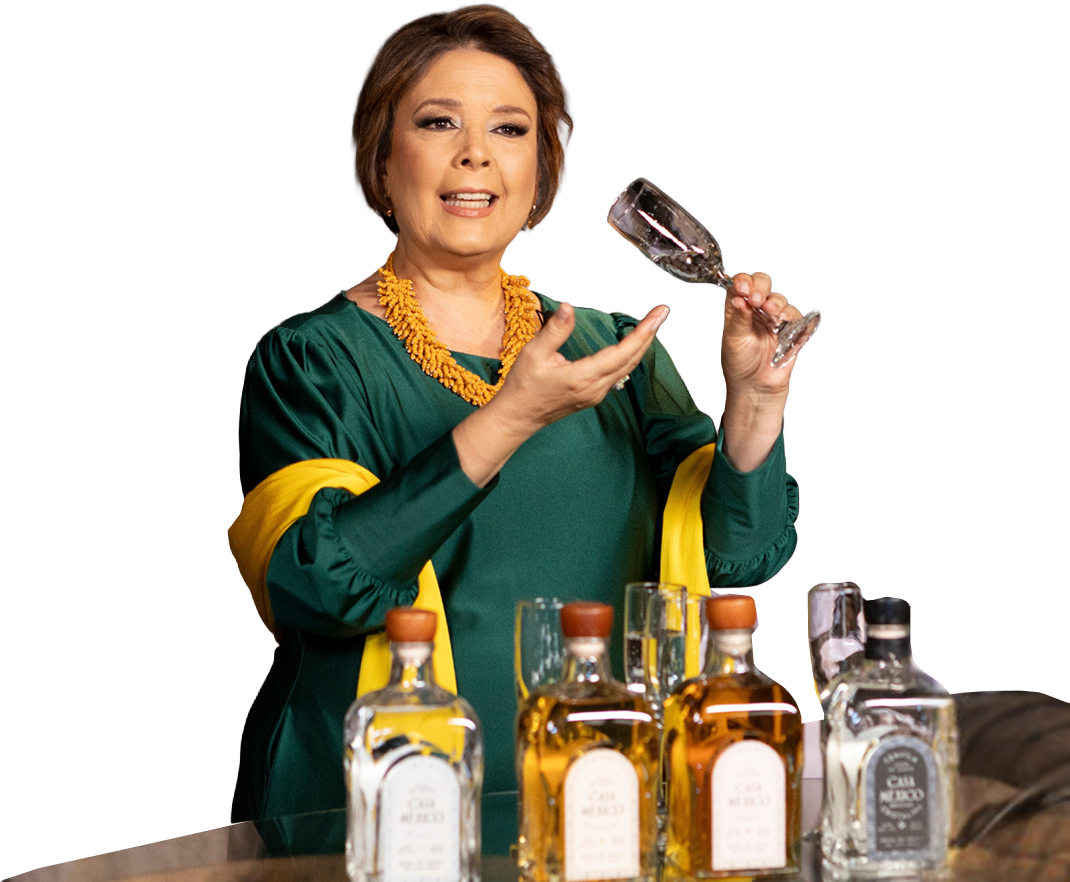
Meet Our Maestra Tequilera
Casa México Tequila is crafted under the guidance of world-renowned Maestra Tequilera Ana María Romero Mena. With decades of experience creating acclaimed tequilas and mentoring future generations of distillers, she brings both deep tradition and thoughtful innovation to the brand. From agave selection to distillation and aging, her expertise ensures every expression reflects authenticity, precision and exceptional quality.
- Coconut Water: Coconut water thins the texture while reinforcing the coconut flavor. Low sugar content keeps the drink from turning cloying. Electrolyte content adds a subtle mineral note absent from plain water. One ounce added at the blending stage lightens the consistency.
- Orange Juice: Orange juice introduces a citrus note that balances the sweetness of the coconut cream. Fresh-squeezed juice avoids the added sugar found in bottled versions. Color shifts slightly toward a warmer orange hue once blended. Half an ounce is sufficient for a subtle flavor shift.
- Grenadine: Adds color contrast with a layered pour at the top of the glass. Pomegranate-based syrup delivers a tart edge against the sweet base. Density allows the syrup to sink or float depending on the pour technique. A quarter ounce creates the classic sunset layering effect.
- Pineapple Rum Float: Pineapple rum floats atop the finished drink, adding a stronger alcohol note on the first sip. Dark rum contrasts visually against the pale base beneath it. Flavor deepens gradually as the float mixes downward. A half-ounce pour finishes the presentation without overwhelming the base recipe.
How to Make a Piña Colada?
Piña Colada preparation follows a fixed sequence of steps that combine blending, measuring, and garnishing in order. The process takes under five minutes from start to pour, using a blender rather than a shaker to achieve the drink’s smooth, frozen texture. Consistency depends on ice ratio and blending time more than any single ingredient.
To make the Piña Colada Recipe, follow the nine steps listed below.
- Measure the base ingredients. Pour two ounces of pineapple juice, one ounce of cream of coconut, and one and a half ounces of white rum into the blender. Precise measurement keeps the flavor balance consistent across every batch. Excess pineapple juice shifts the drink toward a sharper, more acidic profile. A kitchen jigger delivers more accurate pours than free-handing the liquid.
- Chill the glass. Place a hurricane glass in the freezer for ten minutes before blending begins. A cold glass slows the drink’s melting once it’s poured. Frost forms on the glass exterior, adding visual appeal to the presentation. Skipping this step shortens how long the drink stays properly chilled.
- Add ice. Fill the blender with 1.5 cups of crushed ice for a frozen texture. Crushed ice blends faster than whole cubes, reducing strain on the blender motor. Ice quantity directly controls the final thickness of the drink. Too little ice results in a thin, liquid pour lacking the signature slushy texture.
- Blend the mixture. Run the blender on high speed for thirty seconds until smooth. A pulse setting helps break down larger ice chunks before full blending starts. Overblending thins the texture through excess melting from friction heat. Thirty seconds typically reaches the ideal balance between smoothness and thickness.
- Check consistency. Add extra ice if the mixture runs thin, or a splash of juice if it runs too thick. Consistency should hold a spoon upright without sinking, similar to soft-serve. Small adjustments avoid the need to restart the blending process entirely. Testing consistency before pouring prevents a runny final presentation.
- Taste the mixture. Adjust sweetness with a small amount of cream of coconut if needed. Rum strength becomes more noticeable once tasted directly from the blender. Additional pineapple juice balances an overly sweet or heavy pour. Tasting before pouring allows correction without wasting a finished glass.
- Pour into a glass. Transfer the blended drink into the chilled hurricane glass prepared earlier. Pouring slowly prevents excess foam from forming at the surface. Filling to just below the rim leaves room for garnish placement. A steady hand keeps the pour clean along the glass edge.
- Garnish the drink. Top with a pineapple wedge and a maraschino cherry before serving. A cocktail umbrella adds a traditional decorative touch to the presentation. Garnish placement along the rim keeps the drink visually balanced. Fresh garnish signals quality more than any other visual cue.
- Serve immediately. Deliver the drink to the table within minutes of blending completion. Melting ice dilutes both flavor and texture the longer the drink sits. A straw suited to thick liquids improves the drinking experience. Immediate service preserves the frozen consistency that the recipe is designed around.
Blending carries the most weight in the process, since texture determines the overall drinking experience regardless of ingredient quality. A rushed blend leaves ice chunks that throw off both consistency and flavor balance. Getting this single step right corrects for minor measuring errors made earlier in the recipe.
How is the Nutrient Value of Piña Colada?
A standard six-ounce Piña Colada carries a nutrient profile driven mainly by sugar from pineapple juice and fat from coconut cream. Calorie count shifts with rum quantity and added mixers, placing the drink in the higher range among frozen cocktails compared to clear, shaken drinks. Restaurant pours often exceed the standard measure, pushing overall nutrient values higher than a home-blended version.
The nutrient breakdown of the drink is shown in the table below.
| Nutrient | Amount per Serving | Unit | Daily Value % | Source / Measurement Basis | Notes |
| Calories | 245 | kcal | 12% | 6 oz standard pour | Varies with rum content |
| Total Fat | 3 | g | 4% | Cream of coconut | Saturated fat source |
| Total Carbohydrate | 32 | g | 12% | Pineapple juice, coconut cream | Includes natural fruit sugar |
| Sugar | 30 | g | 60% | Pineapple juice | No added sugar in classic recipe |
| Sodium | 10 | mg | 0.4% | Coconut cream | Low sodium beverage |
| Alcohol | 15 | ml ABV equivalent | Not established | 1.5 oz white rum | Contributes remaining calories |
How many calories are in a Piña Colada? A standard Piña Colada has 245 calories per six-ounce serving, ranking it among the heavier frozen cocktails served at bars and restaurants. Sugar and fat from the coconut cream base contribute the largest share of that total, ahead of the alcohol content itself. Pineapple juice adds thirty grams of natural sugar alone, accounting for most of the carbohydrate count on its own. Coconut cream layers in three grams of fat, giving the drink its thick, dessert-like body. Rum supplies the remaining calories, and the quantity poured directly affects the final total. Restaurant servings frequently exceed the six-ounce standard, sometimes doubling the calorie count through larger pours and added garnish. A virgin version cuts calories significantly by removing rum, bringing the total closer to 180. Smaller pour sizes offer the most direct way to reduce calorie intake without changing the recipe.
What are the Tips to Prepare Piña Colada Better?
What are the Tips to Prepare Piña Colada Better? (H2, 178 words)
Preparation tips for a Piña Colada focus on ingredient temperature, blending order, and garnish timing to sharpen the final result. Small adjustments to technique separate a thin, watery pour from a thick, restaurant-style drink. Timing and ingredient freshness carry more weight than exact ratios in most cases.
The tips for preparing the drink are listed below.
- Chill the Glass: A cold glass keeps the drink cold longer without relying on extra ice. Ten minutes in the freezer builds a light frost on the glass exterior. Skipping this step shortens how long the drink stays at the proper serving temperature.
- Blend Liquids First: Liquid ingredients blend more evenly when combined before ice is added. Adding ice too early risks a diluted, watery texture. The order maintains a consistent flavor balance from the first sip to the last.
- Use Fresh Pineapple Juice: Fresh juice adds a sharper tartness that canned versions often lack. Acidity from fresh fruit balances the sweetness of the coconut cream more effectively. Canned juice tends to contain added sugar, which throws off the standard ratio.
- Toast the Coconut Garnish: Toasting shredded coconut before garnish adds a nutty contrast to the sweet base. Light browning brings out the oils, intensifying the coconut flavor. The added crunch also breaks the drink’s smooth texture.
- Rim the Glass: A sugar or toasted coconut rim adds texture to the first sip. Rimming happens before pouring, using a lime wedge to dampen the glass edge. The step turns a simple pour into a more polished presentation.
- Store Leftover Cream of Coconut: Refrigerate after opening to preserve flavor for later batches. Cream of coconut separates naturally over time, requiring a stir before reuse. Proper storage extends usability up to two weeks past opening.
- Adjust Rum in Small Increments: Half-ounce adjustments control strength without overwhelming the fruit flavors. Small changes make it easier to correct an overly strong or weak pour. The method also keeps calorie count from rising sharply between batches.
- Blend in Short Bursts: Short bursts prevent the ice from over-liquefying during preparation. A pulse setting breaks down large ice chunks before full blending starts. The technique produces a thicker, more consistent texture than one continuous blend.
- Serve Within Five Minutes: Melted ice dilutes flavor quickly once the drink sits at room temperature. Immediate service preserves the frozen consistency that the recipe depends on. A chilled glass from the first tip extends this serving window slightly longer.
What are the Variations of Piña Colada Recipes?
Variations of the Piña Colada recipe adjust a single ingredient or step from the main formula, producing a distinct flavor profile while keeping the core structure intact. Salt rims, alternate citrus, and swapped cream bases rank among the most common adjustments bartenders apply to the standard pour. Each variation shifts sweetness, tartness, or texture without changing the overall drink category or base spirit. Nutrient values and preparation steps shift only slightly from the classic recipe despite the flavor change.
The recipe variations are shown in the table below.
| Variation Name | Ingredients | Nutrient | Steps | Opinion |
| Salted Rim Piña Colada | Adds salt rim to the glass edge | No added calories | Rim the glass with salt before pouring the blended mixture | Salt sharpens the sweetness, balancing the drink overall |
| Lime-Twist Piña Colada | Replaces standard citrus with fresh lime juice | Adds 5 kcal, 1g sugar | Blend lime juice with the base mixture before pouring | Sharper tartness compared to the standard lemon-free base |
| Extra-Creamy Piña Colada | Double the cream of coconut portion | Adds 40 kcal, 4g fat | Blend the double cream of coconut with the standard base | Richer texture, heavier mouthfeel than the classic pour |
| Light Ice Piña Colada | Reduces ice by half | Cuts dilution, raises effective ABV | Blend with half the standard ice quantity | Stronger flavor concentration, less frozen texture overall |
| Honey-Sweetened Piña Colada | Replaces sugar syrup with raw honey | Adds 20 kcal, 5g sugar | Blend honey with the base mixture until fully dissolved | Deeper sweetness, smoother finish than refined sugar syrup |
| Vanilla Bean Piña Colada | Adds scraped vanilla bean seeds | No added calories | Blend vanilla seeds directly into the mixture | Warmer aroma, subtle floral note against the fruit base |
What alcohol is in a Piña Colada?
The alcohol in a Piña Colada is white rum, blended together with pineapple juice and cream of coconut to form the classic recipe. White rum provides the clean, light spirit base associated with the traditional drink, creating a smooth foundation that doesn’t compete with the fruit flavors. Coconut cream and pineapple juice soften the rum’s sharpness, producing a rounded, dessert-style profile rather than a spirit-forward taste. Common products include Bacardi Superior White Rum, Malibu Coconut Rum, and Captain Morgan White Rum. Other suitable options include Cruzan Light Rum, Don Q Cristal, and Casa Mexico Tequila, depending on the desired sweetness, proof strength, and flavor twist. Tequila-based versions built around Casa Mexico Tequila swap the standard rum for blanco tequila, shifting the profile toward earthier, agave-driven notes while keeping the pineapple and coconut base intact. Proper proportions preserve the tropical fruit character while allowing the chosen spirit to remain distinct through the finish.
Bacardi Superior White Rum
Bacardi Superior White Rum delivers a light, dry profile with subtle sweetness and a smooth finish. Unaged production preserves clean, neutral notes that complement pineapple and coconut cream. Measure 1.5 oz into the blender before combining the remaining ingredients. Fresh preparation preserves balanced sweetness and clean flavor throughout the drink.
Malibu Coconut Rum
Malibu Coconut Rum reinforces the drink’s existing coconut cream, adding a stronger tropical note at a lower proof. Sweeter flavor creates a richer variation without overpowering the pineapple base. Replace standard white rum with an equal amount during preparation. Adding coconut character deepens the drink’s overall tropical profile.
Casa México Blanco Tequila
Casa Mexico Blanco Tequila offers an agave-forward alternative to the traditional rum base, producing a variation sometimes labeled a “Tequila Colada.” Earthy, herbal notes shift the flavor away from rum’s neutral profile. Substitute 1.5 oz of white rum for the white rum during preparation. Agave character creates a distinct, savory twist, available through Casa Mexico Tequila.
Does Piña Colada have alcohol? Yes, a Piña Colada does have alcohol. White rum serves as the primary alcoholic base, typically poured at 1.5 ounces per standard serving. Alcohol content varies according to rum proof and pour size, although balanced recipes preserve the pineapple and coconut flavor without letting the spirit dominate the drink. Cream of coconut smooths the sharpness created by the rum, and pineapple juice brightens the overall profile with natural acidity. Standard recipes maintain a steady ratio of juice, cream, and spirit, producing roughly 10% to 12% alcohol by volume once blended with ice. Proper blending distributes the ingredients evenly, allowing the pineapple, coconut, and rum flavors to stay balanced from the first sip to the last.
How Much Alcohol Does a Piña Colada Have?
A Piña Colada carries roughly 10% to 12% alcohol by volume once blended with ice and juice, placing it below straight spirits in overall strength. Rum quantity, ice ratio, and glass size shift this range, giving bartenders flexibility to adjust potency without changing the flavor profile. Higher rum content sharpens the alcohol taste against the sweet coconut and pineapple base, while a heavier ice ratio dilutes both strength and flavor. A pour of 1 to 1.5 ounces of rum keeps the drink within a moderate, food-safe range for most adult drinkers. Restaurant versions sometimes push rum content higher, raising alcohol by volume closer to 15% and intensifying the spirit’s presence over the fruit flavors. Reducing rum to half an ounce softens the alcohol impact while keeping the tropical taste largely intact. A safe range for most adult drinkers is between 1 and 1.5 ounces of rum per 6-ounce serving.
Can pregnant women drink Piña Colada? No, pregnant women should avoid Piña Colada because of its rum content. The American College of Obstetricians and Gynecologists identifies no confirmed safe level of alcohol during pregnancy, placing any rum-based pour outside a safe range for expecting mothers. Alcohol crosses the placenta directly, carrying risk regardless of the quantity consumed at any stage of pregnancy. The virgin variation, made with pineapple juice, coconut cream, and coconut water, delivers the same tropical flavor profile without the associated risks. Bartenders substitute coconut water for rum at an equal measure, preserving texture and sweetness while removing alcohol entirely from the recipe. Pregnant drinkers seeking the classic taste without the risk find the virgin pour a direct, evidence-backed alternative to the standard recipe.
Does a Piña Colada make you Drunk?
Yes, a Piña Colada can make a drinker intoxicated because of the white rum blended into its base recipe. Alcohol absorption depends on serving size, rum proof, and the number of drinks consumed within a short period. A single standard-size Piña Colada carries roughly one and a half ounces of rum, comparable to a single mixed drink in overall alcohol content. Coconut cream and pineapple juice slow perceived intoxication through added sugar and fat, masking the taste of alcohol without reducing its actual effect on the body. Drinking multiple servings within an hour raises blood alcohol concentration at the same rate as any rum-based cocktail, regardless of the sweet flavor profile. Adult drinkers pacing consumption to one drink per hour, alongside food intake, reduce the risk of rapid intoxication while still enjoying the tropical flavor Piña Coladas are known for.
Does Piña Colada Have Tequila?
No, a traditional Piña Colada does not have tequila, since the classic recipe calls for white rum as the base spirit. Origin ties to Puerto Rico place rum, not tequila, at the center of the drink’s history and established flavor profile. Bartenders seeking a tequila-based twist substitute rum with a blanco or reposado pour, producing a variation sometimes labeled a “Tequila Colada.” Agave notes shift the flavor away from the traditional profile, adding earthy undertones against the sweet pineapple and coconut base. The proof strength between tequila and rum runs close enough that the substitution happens at an equal measure without altering the recipe’s structure. Brands built around tequila craftsmanship offer spirits suited to drinkers exploring agave-based alternatives to the standard rum recipe, with full product details available through Casa Mexico Tequila.
What is a Piña Colada?
A Piña Colada is a blended cocktail combining pineapple juice, cream of coconut, and white rum, served chilled or frozen over ice. Texture ranks among the defining traits of the drink, achieved through blending rather than shaking, producing a smooth, slushy consistency distinct from clear cocktails. Flavor balances tart pineapple against rich, sweet coconut cream, with rum adding depth rather than sharpness to the overall profile. Serving style typically includes a hurricane or Collins glass, garnished with a pineapple wedge and a cherry rimmed. Ingredient ratios, preparation steps, nutrient content, and serving traditions define the drink’s full identity, condensed into the recipe as a whole rather than any single element.
Why is it called a Piña Colada? The Piña Colada is called by that name because the recipe centers on strained pineapple juice as its defining ingredient. Translation from Spanish renders “Piña Colada” as “strained pineapple,” referencing the fresh juice strained into early versions of the drink before commercial juice became standard. The drink is widely credited to bartenders at a San Juan hotel in Puerto Rico, originating in the 1950s. Recognition as Puerto Rico’s national cocktail followed shortly after, cementing the name and recipe into Caribbean drinking culture. The name has remained unchanged since its origin, distinguishing the drink from its many rum-based and tequila-based variations that followed in later decades.
What Does a Piña Colada Taste Like?
A Piña Colada tastes sweet, creamy, and tropical, with a tart edge from pineapple juice cutting through the richness of coconut cream. Rum adds a mild warmth beneath the fruit flavors without dominating the overall taste. Each ingredient contributes a distinct layer, building a flavor that shifts across the first sip through the last.
The Piña Colada tastes like are listed below.
- Pineapple Juice: Pineapple juice adds acidity and brightness, helping the drink avoid tasting overly sweet. Natural fruit sugar balances against the richness of the coconut cream base. Fresh juice sharpens this tartness more than canned varieties typically allow.
- Cream of Coconut: Cream of coconut delivers thickness and a rounded sweetness, softening the sharper notes of pineapple. Added sugar content in commercial brands intensifies this sweet effect. Texture thickens once blended, giving the drink a dessert-like mouthfeel.
- White Rum: White rum introduces subtle warmth beneath the fruit flavors, deepening the drink without adding bitterness. Proof level affects how strongly the alcohol registers on the palate. Light rum blends smoothly, avoiding the sharper bite found in darker spirits.
- Ice: Ice dilutes the mixture slightly during blending, softening intensity across all three flavors. Melting rate affects how quickly the drink shifts from sharp to mellow. Crushed ice spreads dilution evenly, unlike larger cubes.
- Garnish: A pineapple wedge adds a fresh, aromatic note absent from the blended mixture itself. A maraschino cherry contributes a light, sweet contrast against the tart citrus notes. Toasted coconut flakes, used as an alternate garnish, add a nutty finish to the final taste.
How to Drink a Piña Colada?
A Piña Colada is best served immediately after blending, taken through a straw while the texture stays cold and slushy. Sipping slowly preserves the layered flavor of pineapple, coconut, and rum before melting ice dilutes the mixture. Serving order and pacing affect the taste experience as much as the recipe itself.
To drink a Piña Colada, follow the six steps listed below.
- Chill the glass first. Store the glass in the freezer beforehand to keep the drink cold longer once poured. A frosted glass slows the drink’s melting once it sits at the table. This step preserves texture through the first several sips. Skipping this step shortens the window before dilution begins.
- Use a wide straw. Drink through a straw suited to the thick, blended texture. A narrow straw struggles against the density of the frozen mixture. Wide straws also draw up fruit or garnish pieces evenly. Metal straws retain cold longer than plastic straws.
- Sip slowly. Pace consumption to preserve flavor before the ice fully melts. Rapid drinking blurs the layered taste of pineapple, coconut, and rum. Slower sipping also reduces the pace of alcohol absorption. This pacing lets each flavor register individually rather than blending together.
- Stir occasionally. Mix the drink partway through, since separation can occur as ice melts. Settled coconut cream sinks toward the bottom of the glass over time. A quick stir restores even flavor across every remaining sip. Skipping this step leaves the final sips thinner than the first.
- Pair with food. Serve alongside light snacks, balancing the sweetness of the drink. Savory pairings, such as grilled shrimp, contrast well against the tropical sweetness. Food also slows alcohol absorption throughout the drinking experience. Light appetizers work better than heavy meals against the drink’s richness.
- Finish before full melt. Drink the remainder before the ice fully liquefies the mixture. A fully melted Piña Colada loses both texture and flavor balance. Finishing within fifteen minutes preserves the intended drinking experience. Reblending a melted portion restores texture when drinking slows.
Drinking the Piña Colada soon after blending stands as the most important tip for the best taste experience, since melted ice dilutes both flavor and texture within minutes. Waiting even ten minutes past pouring noticeably weakens the tropical flavor balance that the recipe depends on. A chilled glass paired with prompt drinking preserves the intended texture longer than either step alone. Following this single tip corrects for most other serving mistakes made along the way.
Can You Make a Piña Colada with Frozen Strawberries?
Yes, a Piña Colada can be made with frozen strawberries, added directly to the blender alongside pineapple juice, cream of coconut, and rum. Frozen fruit replaces part of the standard ice requirement, thickening the drink while adding a fruity layer to the classic base. Texture differs slightly from fresh strawberry versions, since frozen fruit blends into a smoother, more uniform consistency without visible seeds. Half a cup of frozen strawberries balances the existing sweetness without overwhelming the coconut and pineapple flavors already present in the recipe. Bartenders favor frozen strawberries for consistency across batches, since ripeness and water content stay uniform regardless of season. Blending time increases slightly to break down the frozen fruit fully, typically adding ten to fifteen seconds to the standard cycle. Color shifts toward a pale pink once strawberries mix through the pineapple and coconut base.
What are the Types of Piña Coladas?
Types of Piña Coladas extend into a wider family of tequila cocktails, each carrying a distinct base spirit and flavor profile. Flavor ranges from sweet and creamy to sharp and herbal across the full category. Comparison against the classic Piña Colada highlights how each variation shifts sweetness, citrus, or spice.
The tequila cocktail types are listed below.
- Tequila Sunrise: Orange juice and grenadine layer over tequila, producing citrus sweetness. Color separates into a visible gradient inside the glass. Flavor leans sweeter and less creamy than a Piña Colada.
- Tequila Sour: Lime juice and simple syrup create a tart, sharp taste. Egg white sometimes adds a light foam texture. The contrast against the Piña Colada’s smooth sweetness remains strong.
- Tequila Old Fashioned: Bitters and sugar build a bold, spirit-forward taste. Orange peel adds aromatic oils to each sip. The drink stands far from the fruit-heavy Piña Colada profile.
- Tequila Slammer: Tequila and soda create a sharp, fizzy combination. Quick consumption defines the traditional slammer style. The creamy texture found in the Piña Colada is absent here.
- Tequila Collins: Lemon juice and soda water build a light, fizzy drink. Sweetness stays lower than the coconut-rich Piña Colada. Refreshment ranks higher than richness in this style.
- Tequila Highball: Tequila and soda water keep flavor crisp and simple. Ice dilutes the mixture gradually over time. Sweetness from coconut cream never enters this lighter build.
- Tequila Negroni: Sweet vermouth and bitter liqueur create a bold, bitter profile. Herbal notes dominate over any fruit character. The distance from the tropical Piña Colada stays significant.
- Tequila Martini: Dry vermouth and tequila produce a strong, spirit-forward sip. Garnish stays minimal, often a single olive or twist. Texture contrasts sharply against the thick Piña Colada pour.
- Tequila Mule: Ginger beer adds spice and fizz to the tequila base. Lime juice brightens the spicy ginger profile. Sharpness here contrasts with the smooth Piña Colada texture.
- Tequila Mojito: Mint and lime create an herbal, fresh taste. Soda water adds light effervescence to the mix. Coconut richness found in the Piña Colada never appears.
- Tequila Fizz: Citrus juice and soda water build a light, bubbly drink. Egg white sometimes adds a soft foam layer. Creaminess from coconut stays absent from this brighter style.
What is the Difference of Tequila Mojito than other Piña Colada Recipes?
The main difference between the Tequila Mojito and Piña Colada recipes centers on their herbal, citrus-forward profile built from mint and lime rather than coconut cream and pineapple juice. Ingredients include tequila, lime juice, mint leaves, soda water, and sugar, producing a lighter, fizzier drink than the thick, blended Piña Colada. Preparation starts with muddling mint and lime in a glass, followed by tequila, ice, and a soda water top rather than blending. Texture stays clear and effervescent, standing apart from the frozen, opaque consistency of a Piña Colada. Flavor leans fresh and herbal rather than sweet and tropical, appealing to drinkers seeking a lighter alternative to the creamy coconut base. Sugar content also drops well below the Piña Colada, since mint and lime replace coconut cream as the dominant flavor source. Full ingredient measurements and preparation steps for the drink are detailed in the Tequila Mojito Cocktail Recipe.
What is the Difference of Tequila Mule than other Piña Colada Recipes?
The main difference between the Tequila Mule and other Piña Colada recipes lies in its spiced, carbonated profile, built with ginger beer rather than coconut cream. Ingredients include tequila, lime juice, and ginger beer, served over ice in a copper mug rather than a hurricane glass. Preparation begins with tequila and lime juice poured over ice, topped with ginger beer for carbonation rather than blended with fruit. Texture stays sharp and fizzy, contrasting the smooth, blended consistency of a Piña Colada. Spice from ginger beer replaces the sweetness of pineapple and coconut, appealing to drinkers favoring bolder, less tropical flavors. Serving temperature also differs, since the copper mug keeps the drink colder for longer than a standard glass, as detailed further through the Tequila Mule Recipe.
What is the Difference of Tequila Collins than other Piña Colada Recipes?
The main difference between the Tequila Collins and other Piña Colada recipes lies in its light, citrus-forward build, using lemon juice and soda water rather than coconut cream. Ingredients include tequila, lemon juice, simple syrup, and soda water, poured over ice in a tall Collins glass. Preparation starts with tequila, lemon juice, and syrup stirred over ice, topped with soda water for fizz rather than blended smooth. Texture stays clear and light, standing apart from the thick, frozen Piña Colada base. Citrus dominates the flavor rather than tropical sweetness, appealing to drinkers seeking a crisp, refreshing pour over a rich, dessert-style cocktail. Calorie count also runs lower, since the recipe skips coconut cream entirely, unlike the Tequila Collins Recipe.
Where to Serve Piña Colada?
A Piña Colada is best served during lunch, dinner, or a birthday party setting, rather than breakfast, given its alcohol content and rich, dessert-like sweetness. Lunch service suits the drink alongside light seafood or salad dishes, balancing the sweetness with savory flavors. Dinner service pairs the drink with grilled or tropical cuisine, complementing the fruit-forward profile of the recipe. Birthday party settings favor the drink for its festive, colorful presentation, often garnished with fruit and paper umbrellas for visual appeal. Breakfast service remains uncommon due to alcohol content, though a virgin version fits daytime or brunch settings without the associated risk. Poolside and beach gatherings rank among the most fitting occasions overall, since the drink’s chilled, tropical profile matches warm-weather settings better than indoor, formal dining. Evening gatherings suit the drink well, particularly during summer months when guests favor lighter, cold cocktails over heavier spirits.
What Foods Pair Well with a Piña Colada?
Grilled seafood pairs well with a Piña Colada through shared tropical and citrus notes that complement the drink’s pineapple base. Shrimp skewers, coconut shrimp, and grilled fish balance the cocktail’s sweetness with savory, smoky flavors from the grill. Light salads featuring mango, avocado, or citrus segments extend the drink’s fruit-forward profile, avoiding flavor clashes common with heavier dishes. Spicy dishes (jerk chicken or Caribbean-style pork) contrast the sweetness of the Piña Colada, creating a balance between heat and cooling sweetness. Desserts built around coconut or pineapple, such as coconut cake, reinforce the drink’s existing flavor rather than competing against it. Charcuterie boards with tropical fruit and mild cheese round out a lighter pairing option, since heavy, fatty foods tend to clash with the drink’s rich, creamy texture.
What Glass to Serve a Piña Colada?
A Piña Colada is best served in a hurricane glass, a curved, tulip-like glass suited to layered, tropical drinks. The wide bowl accommodates ice, garnish, and the cocktail’s thick, blended texture without overflowing. The hurricane glass differs from other cocktail glassware through its taller stem and rounded body, built to hold larger volumes than a martini or coupe glass. Standard cocktail glasses, including the martini glass, suit clear, shaken drinks rather than frozen, blended pours that require extra capacity. Types of cocktail glasses used across the wider drink category include the hurricane glass, Collins glass, coupe glass, martini glass, and copper mug, each suited to a specific drink style, texture, and serving temperature. The Collins glass, tall and narrow, is better suited to fizzy, carbonated drinks than to the frozen consistency of a Piña Colada. A copper mug retains cold longer, making it favored for spiced or ginger-based cocktails rather than fruit-forward, blended recipes.