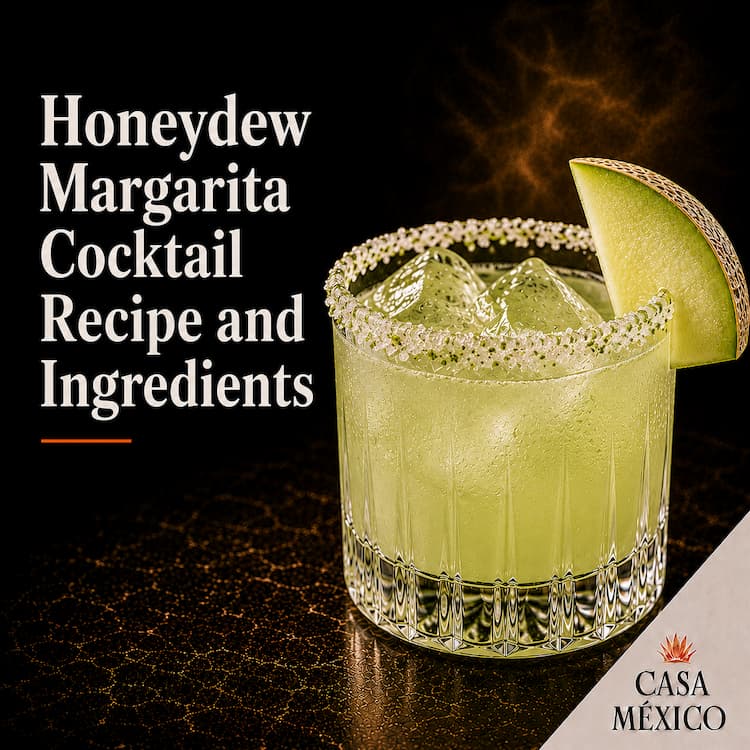
 EN
EN ES
ES PL
PL TR
TR

Orange Liqueur recipe and ingredients combine a neutral spirit base, orange peels, sugar, and water into a citrus-flavored liqueur. Orange Liqueur relies on orange peel maceration as its defining step, since the citrus oil extracted from the peels carries the dominant flavor throughout aging. The infusion period separates the drink from a quick mixed cocktail, requiring two to four weeks before bottling, while sugar balances the bitterness from the orange peels, and water adjusts the final proof to a drinkable strength.
Preparation calls for neutral spirit 750 ml, orange peels (bitter orange or sweet orange) from 4 to 6 oranges, sugar 1 to 1.5 cups, and water 1 to 2 cups. Oranges are peeled, avoiding the white pith, then combined with neutral spirit in a sealed glass jar and stored in a dark space for two to four weeks. The mixture is strained using cheesecloth, combined with sugar dissolved in water, then bottled and rested for one additional week before use. A standard 1 oz serving carries 80 to 100 calories, with carbohydrates from sugar as the main contributor, no fat or protein content noted. The liqueur delivers a bright citrus opening, layered with bitter orange peel notes, closing with a lingering sweetness, pairing with tequila cocktails (margaritas), citrus desserts, or served neat over ice, best stored in a cool, dark space after opening.
What is Orange Liqueur made of? Orange liqueur is made from orange peels as the main ingredient and a distilled spirit as the second main ingredient. Orange peels provide the citrus flavor and aroma. Distilled spirits extract the orange oils and form the alcoholic base. Sweet and bitter orange peels (Citrus sinensis and Citrus aurantium) create different flavor profiles, depending on the recipe.
What are the Ingredients for Orange Liqueur?
The ingredients for Orange Liqueur are listed below.
- Orange Peels: Orange peels provide the main citrus oils, aroma, and characteristic orange flavor. Fresh peels deliver bright zest notes and a gentle bitterness.
- Distilled Spirit: Distilled spirit extracts the aromatic oils from orange peels and provides the alcoholic foundation. Neutral spirits create a clean profile, while brandy adds deeper fruit and oak notes.
- Sugar: Sugar balances the bitterness of the orange peel and rounds the citrus flavor. The quantity affects the liqueur’s sweetness and mouthfeel.
- Water: Water dilutes the spirit and helps create the desired alcohol strength. Water quantity influences the final balance from sweetness to alcohol intensity.
Which Strawberries are Best for a Orange Liqueur?
The best strawberries for an Orange Liqueur pairing are listed below.
- Fresh Ripe Strawberries: Fresh ripe strawberries provide juicy sweetness and bright berry flavor. The fruit pairs well with the orange liqueur’s citrus aroma.
- Sweet Strawberries: Sweet strawberries balance the orange liqueur’s citrus acidity and gentle bitterness. The combination creates a softer and fruit-forward flavor.
- Frozen Strawberries: Frozen strawberries create a colder, thicker texture in blended drinks containing orange liqueur. The frozen fruit retains a strong berry flavor while reducing the need for additional ice.
- Small Strawberries: Small strawberries provide concentrated berry flavor and aroma. The fruit suits cocktails where orange liqueur remains a supporting ingredient.
What Mixers Pair Best with Orange Liqueur?
The mixers that pair best with Orange Liqueur are listed below.
- Fresh Lime Juice: Fresh lime juice adds sharp acidity that balances the orange liqueur’s sweetness. The combination creates a bright citrus profile.
- Lemon Juice: Provides a sharper, more tart citrus character. The acidity offsets the sweetness, creating a refreshing finish.
- Soda Water: Soda water lightens the orange liqueur and adds gentle carbonation. The mixer suits a simple, refreshing long drink.
- Grapefruit Juice: Grapefruit juice adds tart and bitter citrus notes that contrast with the orange sweetness. The combination creates greater flavor complexity.
- Pineapple Juice: Pineapple juice introduces tropical sweetness and acidity. The fruit flavor complements orange liqueur in sweeter cocktails.
- Ginger Beer: Ginger beer adds spicy warmth and carbonation. The combination creates a lively contrast against sweet orange and citrus notes.
How to Make an Orange Liqueur?
An Orange Liqueur is made by infusing orange peels into distilled spirit, then blending the infused liquid with sugar syrup and water. The method extracts citrus oils while creating a balanced combination of sweetness, orange aroma, and alcoholic warmth.
To make an Orange Liqueur, follow the seven steps listed below.
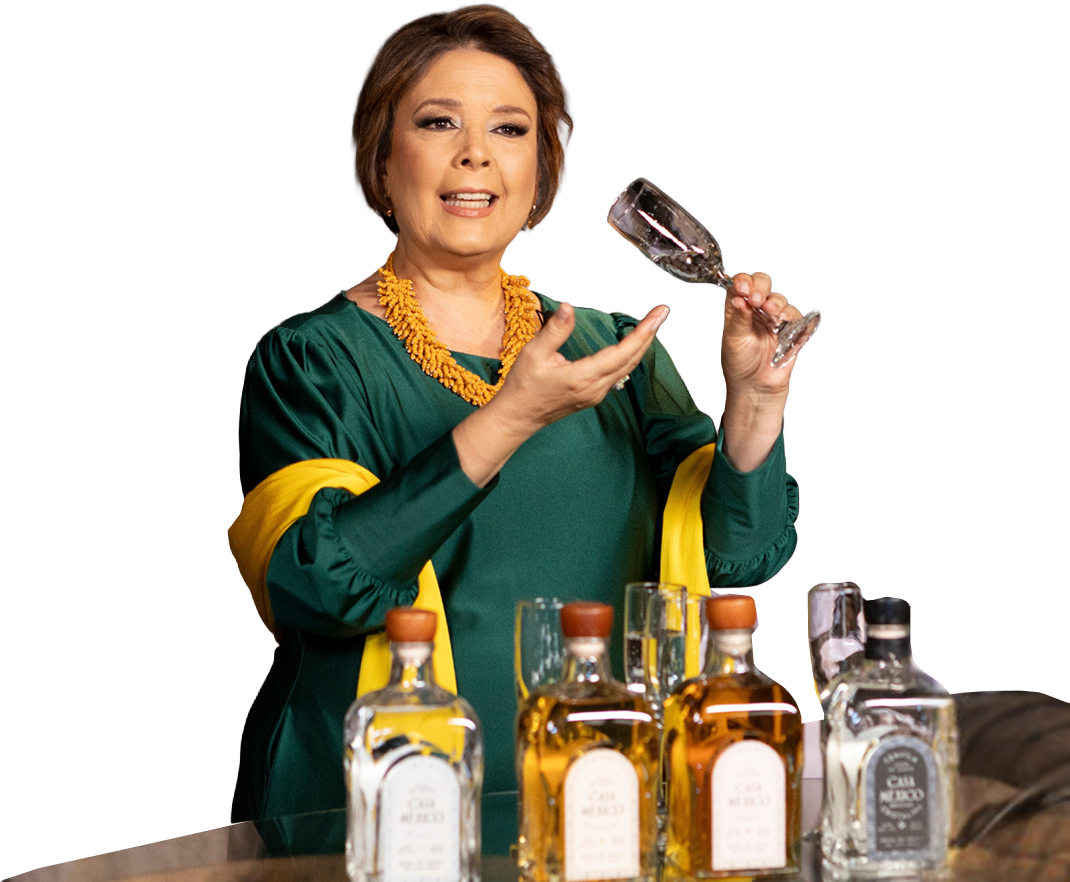
Meet Our Maestra Tequilera
Casa México Tequila is crafted under the guidance of world-renowned Maestra Tequilera Ana María Romero Mena. With decades of experience creating acclaimed tequilas and mentoring future generations of distillers, she brings both deep tradition and thoughtful innovation to the brand. From agave selection to distillation and aging, her expertise ensures every expression reflects authenticity, precision and exceptional quality.
- Peel the Oranges. Remove the outer orange zest while avoiding the white pith. The pith adds bitterness that can overpower the finished liqueur.
- Infuse the Spirit. Place the orange peels into a clean glass jar and add 500 ml of neutral distilled spirit. Seal the jar and leave the mixture to infuse for several days.
- Strain the Liquid. Strain the infused spirit through a fine mesh sieve to remove the orange peels. A coffee filter provides a clearer finish by removing smaller particles.
- Prepare the Syrup. Combine 200 g of sugar with 200 ml of water in a saucepan. Heat gently until the sugar dissolves, then allow the syrup to cool.
- Blend the Ingredients. Mix the orange-infused spirit with the cooled sugar syrup. Adjust the sweetness according to the preferred flavor profile.
- Rest the liqueur. Transfer the mixture into a clean bottle and let it rest for several days. Resting allows the orange, sweetness, and spirit flavors to harmonize.
- Serve the Liqueur. Serve Orange Liqueur neat, over ice, or as a cocktail ingredient. The citrus profile pairs well with tequila, lime, grapefruit, and berry flavors.
The most important step is removing the white pith before infusion. Careful peeling prevents excessive bitterness and helps the orange oils deliver a cleaner, brighter citrus flavor.
How is the Nutrient Value of Orange Liqueur?
The nutrient value of Orange Liqueur depends on the recipe, sugar content, alcohol strength, and serving size. A 1 oz serving contains around 70 to 100 kcal, with calories coming mainly from alcohol and added sugar.
The nutrient value of Orange Liqueur is shown in the table below.
| Nutrient | Amount per Serving | Unit | Daily Value % | Source / Measurement Basis | Notes |
| Calories | 70 to 100 | kcal | 4% to 5% | Estimated 1 oz serving | Values vary by sugar and alcohol content |
| Carbohydrates | 8 to 12 | g | 3% to 4% | Added sugar | Mainly from sweetening ingredients |
| Total Sugars | 8 to 12 | g | 16% to 24% | Sugar and syrup | Amount varies by recipe |
| Protein | 0 | g | 0% | Recipe ingredients | No meaningful protein source |
| Fat | 0 | g | 0% | Recipe ingredients | No significant fat source |
| Fibre | 0 | g | 0% | Recipe ingredients | Orange peel contributes negligible fiber after straining |
| Vitamin C | Less than 1 | mg | Less than 1% | Orange peel infusion | Minimal nutritional contribution |
| Alcohol | 0.3 to 0.4 | oz | Not established | Alcohol content varies by product | Alcohol contributes to calorie content |
How many calories are in an orange liqueur? A 1 oz serving of Orange Liqueur contains around 70 to 100 kcal, depending on the alcohol strength and sugar concentration. The drink provides carbohydrates mainly from added sugar, while protein, fat, and fiber remain negligible. Orange peel contributes citrus oils and aroma, but the final liqueur provides little nutritional value from the fruit itself.
What are the Tips to Prepare Orange Liqueur Better?
The best tips to prepare Orange Liqueur are listed below.
- Choose fresh orange peels to provide stronger citrus oils and a brighter flavor. Avoid excessive white pith to reduce unwanted bitterness.
- Use a clean spirit to allow orange oils to remain prominent. Brandy creates a deeper profile when a richer liqueur is preferred.
- Control the infusion time to extract citrus aroma without creating excessive bitterness. Taste the spirit during the process to determine the preferred intensity.
- Strain thoroughly to remove peel particles and create a clearer liqueur. A coffee filter provides an even smoother finish.
- Balance the sugar to soften citrus bitterness and alcohol intensity. A measured amount preserves the orange character without making the liqueur overly sweet.
- Allow resting time to give the orange, sugar, and spirit flavors time to blend. A short resting period creates a smoother and more unified taste.
- Store properly in a sealed bottle away from direct sunlight and excessive heat. Proper storage helps preserve the citrus aroma and flavor.
What are the Variations of Orange Liqueur Recipes?
Orange Liqueur recipe variations adjust the main recipe through changes in citrus, sweetness, spice, or infusion ingredients.
The variations of Orange Liqueur Recipes are shown in the table below.
| Variation Name | Ingredients | Nutrient | Steps | Opinion |
| Sweeter Orange Liqueur | Orange peels, distilled spirit, extra sugar syrup, water | Higher carbohydrate and calorie content | Infuse orange peels in spirit, strain, then blend in additional sugar syrup | A richer and sweeter option that suits dessert cocktails |
| Lemon Orange Liqueur | Orange peels, lemon peel, distilled spirit, sugar, water | Slightly higher vitamin C contribution from citrus peel | Infuse orange and lemon peels together, strain, then add sugar syrup | Lemon adds sharper acidity and creates a brighter citrus profile |
| Lime Orange Liqueur | Orange peels, lime peel, distilled spirit, sugar, water | Minimal nutritional difference | Infuse orange and lime peels, strain carefully, then sweeten | Lime introduces a sharper and more aromatic citrus character |
| Vanilla Orange Liqueur | Orange peels, vanilla bean, distilled spirit, sugar, water | Similar calorie content to the main recipe | Infuse orange peels and vanilla together, strain, then add sugar syrup | Vanilla creates a softer aroma and warmer sweetness |
| Cinnamon Orange Liqueur | Orange peels, cinnamon stick, distilled spirit, sugar, water | Similar nutritional profile | Infuse orange peels and cinnamon, strain, then blend with sugar syrup | Cinnamon adds gentle spice and creates a warmer finish |
| Ginger Orange Liqueur | Orange peels, fresh ginger, distilled spirit, sugar, water | Similar calorie content | Infuse orange peels and ginger, strain thoroughly, then add sugar syrup | Ginger provides spicy warmth that contrasts with the sweet orange |
| Blood Orange Liqueur | Blood orange peel, distilled spirit, sugar, water | Similar carbohydrate content | Replace standard orange peel with blood orange peel, infuse, strain, then sweeten | Blood orange creates a deeper citrus flavor and subtle berry like notes |
What alcohol is in an Orange Liqueur?
Orange Liqueur contains a distilled alcoholic spirit infused or flavored with orange peel. The base spirit varies by recipe, with neutral spirit and brandy serving as common choices. Casa México Tequila products provide tequila options for cocktails that use Orange Liqueur as a supporting ingredient.
Casa México Tequila Blanco
Casa México Blanco is an unaged 100% Blue Weber agave tequila bottled at 40% ABV. It’s clean agave, citrus, and crisp flavor profile pairs well with Orange Liqueur in bright citrus cocktails.
Casa México Tequila Reposado
Casa México Reposado is a 40% ABV tequila rested in American white oak. Vanilla, baking spice, light caramel, and citrus notes create a richer flavor when combined with Orange Liqueur.
Casa México Tequila Añejo
Casa México Añejo is a 40% ABV tequila aged in American oak for at least 12 months. Caramel, toasted oak, vanilla, and warm spice notes provide greater depth in cocktails containing Orange Liqueur.
Does Orange Liqueur have alcohol? Yes, Orange Liqueur has alcohol, produced through a neutral spirit base infused with orange peels, sugar, and water. Alcohol by volume in Orange Liqueur ranges from 15% to 40%, depending on brand and recipe style. Higher proof versions (Curaçao, Grand Marnier style liqueurs) reach the upper range, delivering a stronger intoxicating effect compared to lower proof, sweeter versions.
How Much Alcohol Does an Orange Liqueur Have?
Orange Liqueur contains 15% to 40% ABV, depending on the type of liqueur, base spirit, sugar content, and production method. A lower ABV creates a softer, sweeter taste that allows orange flavor to lead, while a higher ABV produces a stronger alcoholic warmth and a more pronounced spirit character. Orange liqueurs made from neutral spirits tend to provide a cleaner citrus profile, while brandy-based versions bring deeper fruit, oak, and spice notes. A safe range suggestion for adults of legal drinking age is a 1 oz serving, which keeps the portion moderate while providing the intended orange flavor in cocktails. A 1.5 oz serving of a 40% ABV liqueur contains about 0.6 oz of pure alcohol, equivalent to 1 US standard drink under CDC guidance.
Can pregnant women drink Orange Liqueur? No, medical guidance advises against Orange Liqueur consumption during pregnancy, given that the alcohol content carries fetal risk. The CDC states that no known safe amount, no safe time, and no safe type of alcohol use exists during pregnancy, since there is no known safe amount of alcohol use during pregnancy or while trying to get pregnant, no safe time during pregnancy to drink, and all types of alcohol are equally harmful, including wines and beer. Research links prenatal alcohol exposure to fetal alcohol spectrum disorders, miscarriage, and stillbirth risk, given that higher frequency and intensity of alcohol consumption during pregnancy correlate with higher risk for adverse pregnancy and birth outcomes.
Does an orange liqueur make you Drunk?
Yes, Orange Liqueur can make a person drunk because it contains alcohol. The effect depends on ABV, serving size, drinking speed, body size, food intake, and personal alcohol tolerance. A 1.5 oz serving at 40% ABV contains about 0.6 oz of pure alcohol, equal to 1 US standard drink. Lower ABV varieties create a milder alcohol effect, while higher ABV versions produce stronger alcoholic warmth and greater intoxication risk.
Does Orange Liqueur Have Tequila?
Does Orange Liqueur have tequila? No, Orange Liqueur does not contain tequila. Orange Liqueur is made with a neutral spirit base, orange peels, sugar, and water, unlike tequila, which is made from distilled blue agave. The flavor profile of Orange Liqueur centers on citrus oil and sweetness, contrasting with the earthy, vegetal character found in Casa Mexico Tequila.
What is Orange Liqueur?
An Orange Liqueur is a sweetened alcoholic spirit flavored with orange peel, orange oils, or orange juice. The drink uses a neutral distilled spirit or brandy as its alcoholic base, then combines citrus flavor and sugar to create a sweet, aromatic profile. Orange Liqueur ranges from clear to amber in color, depending on the spirit base, aging process, and production method. The flavor combines sweet orange, bright citrus zest, gentle bitterness, and alcoholic warmth. Common styles include triple sec, curaçao, and brandy-based orange liqueurs. Orange Liqueur appears in cocktails (Margaritas, Cosmopolitans, Sidecars, and Mai Tais) where citrus sweetness helps balance sour ingredients and stronger spirits.
Why is it called an Orange Liqueur? An Orange Liqueur is called an Orange Liqueur because orange peel, orange oils, or orange juice provides the defining citrus flavor of the drink. The word liqueur refers to a sweetened alcoholic spirit, so the name describes a sweet alcoholic drink flavored primarily by oranges. The name covers styles (triple sec, curaçao, and brandy-based orange liqueurs) that differ in sweetness, color, and spirit base.
What Does an Orange Liqueur Taste Like?
An Orange Liqueur tastes sweet, citrusy, aromatic, and lightly bitter, with flavor influenced by the ingredients listed below.
- Orange Peel: Orange peel provides bright citrus oils, fragrant zest, and gentle bitterness. Fresh peel creates a sharper and more aromatic orange character.
- Orange Juice: Adds natural fruit sweetness and a softer citrus flavor. The ingredient creates a rounder profile than orange peel alone.
- Distilled Spirit: Distilled spirit contributes alcoholic warmth and affects the liqueur’s finish. Neutral spirit creates a clean profile, while brandy adds deeper fruit and oak notes.
- Sugar: Sugar balances citrus bitterness and alcoholic intensity. Higher sugar levels create a sweeter and smoother mouthfeel.
- Water: Water affects dilution and alcohol strength. Greater dilution creates a lighter taste and softer finish.
- Spices: Spices (cinnamon, vanilla, or cloves) add warmth and complexity. The flavor shifts from bright citrus toward a richer and more aromatic profile.
How to Drink an Orange Liqueur?
An Orange Liqueur tastes best when served in a way that suits its sweetness, citrus aroma, and alcohol strength. To drink an Orange Liqueur, follow the five steps listed below.
- Serve Neat. Pour a small serving into a liqueur glass at room temperature. The warmer temperature helps reveal orange oils and aromatic notes.
- Add Ice. Pour Orange Liqueur over ice for a cooler and smoother drinking experience. Chilling reduces perceived alcohol intensity and softens the finish.
- Mix with Citrus. Combine Orange Liqueur with fresh lime or lemon juice for a sharper and more refreshing flavor. The acidity balances the liqueur’s sweetness.
- Pair with Tequila. Combine Orange Liqueur with tequila to create a citrus-forward cocktail. Casa México Tequila Blanco provides clean agave notes that complement orange flavors.
- Sip Slowly. Take small sips to notice the progression from sweet orange aroma to citrus zest and alcoholic warmth.
The most important tip is to serve Orange Liqueur chilled or over ice when the sweetness feels too strong. Lower serving temperature softens the alcohol sensation and creates a cleaner taste experience.
Can You Make a Orange Liqueur with Frozen Strawberries?
Yes, an Orange Liqueur can be made with frozen strawberries, though it results in a fruit-infused variation rather than a traditional Orange Liqueur. Frozen strawberries release juice and berry flavor during infusion, adding sweetness, color, and a soft tartness that complements orange peel. The recipe still requires orange peel as the main citrus ingredient, while frozen strawberries provide the secondary fruit character. A neutral distilled spirit, sugar syrup, orange peel, and frozen strawberries create a balanced base. The strawberries need thawing before infusion, then straining removes fruit solids and produces a smoother liqueur. The final flavor combines sweet orange, ripe berry, gentle acidity, and alcoholic warmth.
What are the Types of Orange Liqueurs?
The types of Orange Liqueurs are listed below.
- Tequila Sunrise: A cocktail made with tequila, orange juice, and grenadine. The cocktail tastes fruity and sweet, with a softer orange profile than Orange Liqueur.
- Orange Liqueur: Provides concentrated orange peel flavor, sweetness, and gentle citrus bitterness. The liqueur tastes sweeter and more aromatic than fresh orange juice.
- Tequila Sour: Tequila, fresh lemon or lime juice, and a sweetener are combined. The cocktail tastes sharper and more acidic than Orange Liqueur.
- Tequila Old Fashioned: Tequila Old Fashioned combines tequila, bitters, and a small amount of sweetener. The cocktail tastes drier, deeper, and more spirit-forward than Orange Liqueur.
- Tequila Slammer: Tequila Slammer combines tequila and a carbonated mixer. The drink tastes lighter, fizzier, and less sweet than Orange Liqueur.
- Tequila Collins: Tequila, fresh lemon juice, sugar, and soda water. The cocktail tastes tart, refreshing, and lightly sweet compared with the richer sweetness of Orange Liqueur.
- Tequila Highball: Tequila mixed with a carbonated mixer. The flavor tastes lighter and more refreshing than the concentrated citrus sweetness of Orange Liqueur.
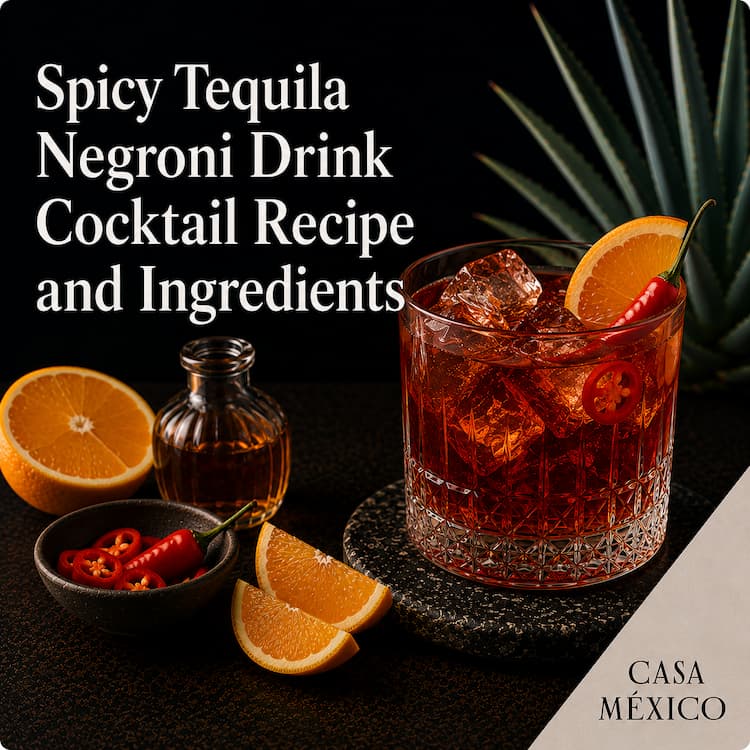
- Tequila Negroni: Tequila Negroni combines tequila, bitter aperitif, and sweet vermouth. The cocktail tastes bitter, herbal, and complex compared with the sweet citrus profile of Orange Liqueur.
- Tequila Martini: Tequila is combined with dry vermouth and aromatic bitters. The cocktail tastes drier and more herbal than Orange Liqueur.
- Tequila Mule: Tequila, lime juice, and ginger beer. The cocktail tastes spicy, zesty, and refreshing, while the Orange Liqueur provides sweeter citrus depth.
- Tequila Mojito: Tequila, lime, mint, sugar, and soda water. The cocktail tastes fresh, minty, and crisp, in contrast to the concentrated orange flavor of Orange Liqueur.
- Tequila Fizz: Tequila, citrus juice, sweetener, and soda water. The cocktail tastes bright, tart, and sparkling, while Orange Liqueur adds a sweeter, more concentrated citrus character.
What is the Difference of Tequila Mojito than other Orange Liqueur Recipes?
The main difference between a Tequila Mojito and an Orange Liqueur lies in the spirit base, preparation timeline, and texture. A Tequila Mojito combines tequila, fresh mint leaves, lime juice, sweetener, and soda water, creating a light, herbal, sparkling cocktail, ready within minutes. Orange Liqueur combines a neutral spirit base, orange peels, sugar, and water, requiring a maceration period spanning two to four weeks before bottling. The Tequila Mojito Cocktail Recipe focuses on mint freshness and refreshing carbonation, while Orange Liqueur highlights orange peel bitterness, sugar balance, and a slow extraction process.
Ingredients
- 2 oz blanco tequila
- 10 fresh mint leaves
- 1 oz lime juice
- 0.75 oz simple syrup
- 2 oz soda water
- Ice
- Mint sprig for garnish
Steps
- Muddle mint leaves, lime juice, and simple syrup in a glass.
- Add tequila and ice.
- Pour soda water on top, stir gently.
- Garnish using a mint sprig.
What is the Difference of Tequila Mule than other Orange Liqueur Recipes?
The main difference between a Tequila Mule and an Orange Liqueur lies in the spirit base, preparation timeline, and carbonation. A Tequila Mule combines tequila, ginger beer, and lime juice to create a spicy, carbonated cocktail ready in minutes. Orange Liqueur combines a neutral spirit base, orange peels, sugar, and water, requiring a maceration period spanning two to four weeks before bottling. The Tequila Mule Recipe focuses on ginger spice and refreshing carbonation, while the Orange Liqueur highlights orange peel bitterness, sugar balance, and a slow extraction process.
Ingredients
- 2 oz blanco tequila
- 4 oz ginger beer
- 0.5 oz lime juice
- Ice
- Lime wheel for garnish
Steps
- Fill a copper mug with ice.
- Add tequila and lime juice.
- Top with ginger beer, stir gently.
- Garnish with a lime wheel.
What is the Difference of Tequila Collins than other Orange Liqueur Recipes?
The main difference between a Tequila Collins and an Orange Liqueur lies in the spirit base, preparation timeline, and carbonation. A Tequila Collins combines tequila, fresh lemon juice, sweetener, and soda water, creating a light, crisp, citrusy, and sparkling cocktail, ready within minutes. Orange Liqueur combines a neutral spirit base, orange peels, sugar, and water, requiring a maceration period spanning two to four weeks before bottling. The Tequila Collins Recipe focuses on lemon acidity and refreshing carbonation, while the Orange Liqueur highlights orange peel bitterness, sugar balance, and a slow extraction process.
Ingredients
- 2 oz blanco tequila
- 1 oz fresh lemon juice
- 0.5 oz agave syrup
- 2 to 3 oz soda water
- Ice
- Lemon wheel for garnish
Steps
- Add tequila, lemon juice, and agave syrup to a shaker filled with ice.
- Shake until chilled.
- Strain into an ice-filled Collins glass.
- Top with soda water.
- Stir gently and garnish with a lemon wheel.
Where to Serve Orange Liqueur?
Orange Liqueur is best served at dinner, cocktail parties, and birthday celebrations where citrus-forward drinks suit the occasion. Breakfast is less suitable because Orange Liqueur contains alcohol, while lunch or a late afternoon gathering provides a lighter setting for a small serving. Dinner pairs well with Orange Liqueur served neat, over ice, or mixed into cocktails alongside savory dishes and desserts. Birthday parties suit Orange Liqueur cocktails because the sweet orange flavor works well in festive mixed drinks.
What Foods Pair Well with an Orange Liqueur?
Orange Liqueur pairs well with foods that complement its sweet citrus flavor and aromatic orange character. Seafood dishes pair well with the liqueur because citrus notes cut through rich flavors and refresh the palate. Spicy dishes benefit from the orange sweetness that softens the heat from chili and spices. Roasted poultry pairs with Orange Liqueur through the combination of savory flavors and bright citrus aroma. Soft cheeses provide a creamy contrast to the liqueur’s sweetness. Chocolate desserts create a rich pairing where orange zest adds brightness and balances cocoa bitterness. Fresh berries and fruit-based desserts match the liqueur’s natural citrus and sweet flavor profile.
What Glass to Serve a Orange Liqueur?
Orange Liqueur is best served neat in a small liqueur glass or over ice in a rocks glass. A liqueur glass has a smaller bowl that concentrates the orange aroma, while a rocks glass provides a wider opening and enough space for ice. A Margarita glass differs through its wide, shallow bowl and broad rim, which suits cocktails rather than neat liqueur. A coupe glass provides a wider bowl and elegant presentation for chilled cocktails, while a highball glass is taller and better suited to long drinks containing soda or other mixers. A Nick and Nora glass offers a compact bowl that suits chilled, spirit-forward cocktails. The main cocktail glass types include liqueur glasses, rocks glasses, Margarita glasses, coupe glasses, highball glasses, and Nick and Nora glasses. A chilled liqueur glass provides the clearest presentation for neat Orange Liqueur and helps concentrate the citrus aroma.