 EN
EN ES
ES PL
PL TR
TR
Blanco, Reposado, and Añejo tequilas differ in aging time, color, aroma, and flavor development. Blanco delivers the rawest agave expression because it is bottled without aging. Reposado introduces mild oak, vanilla, and spice through a short barrel rest. Añejo offers the deepest complexity from long maturation, creating rich caramel, wood, and dried fruit notes. The differences shape how each style is used for cocktails, sipping, and food pairings.
The comparison table between Blanco, Reposado, and Añejo is shown in the table below.
|
Attribute | Blanco | Reposado | Añejo |
|
Flavor Profile | Crisp, peppery, grassy agave | Smooth, lightly sweet, vanilla, and mild spice |
Rich, caramel, oak, dried fruit |
|
Aroma | Fresh agave, citrus, pepper | Soft oak, vanilla, warm spice |
Deep oak, caramel, chocolate, dried fruit |
|
Color Meet Our Maestra TequileraCasa México Tequila is crafted under the guidance of world-renowned Maestra Tequilera Ana María Romero Mena. With decades of experience creating acclaimed tequilas and mentoring future generations of distillers, she brings both deep tradition and thoughtful innovation to the brand. From agave selection to distillation and aging, her expertise ensures every expression reflects authenticity, precision and exceptional quality. 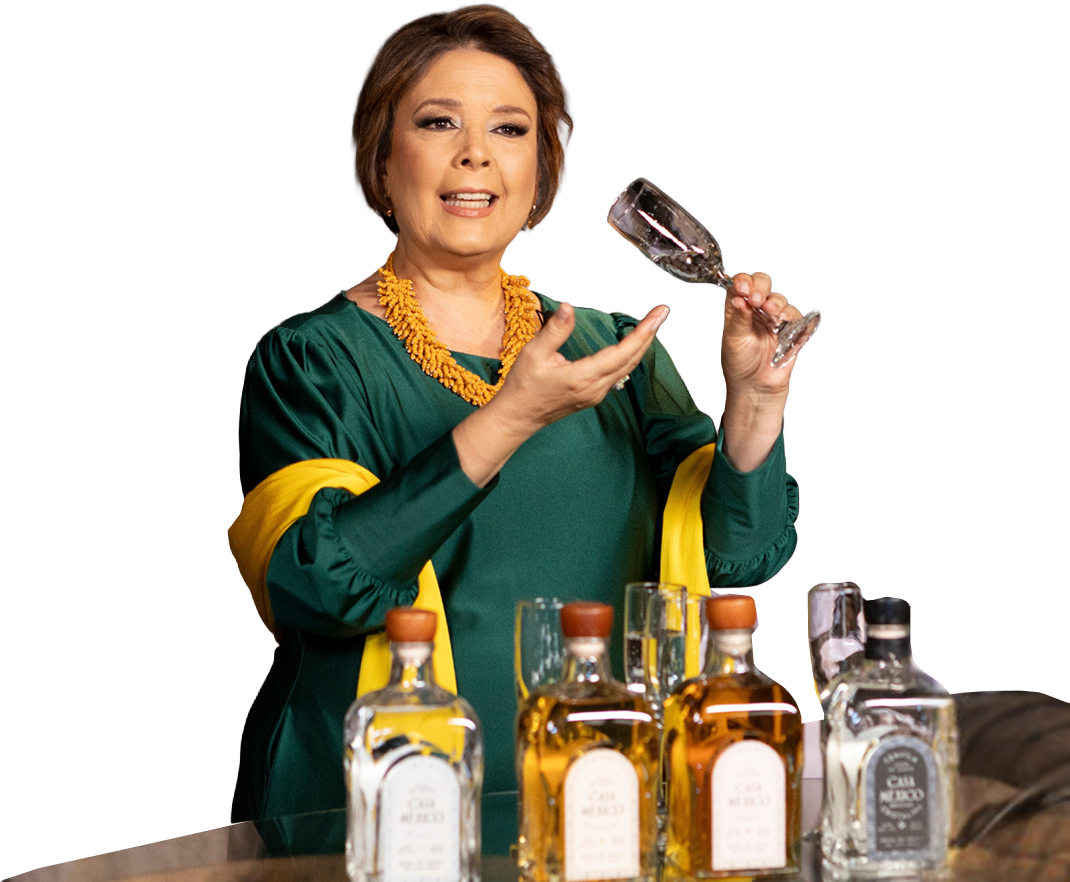 | Clear | Pale gold |
Deep amber |
|
Aging Period | 0 months (unaged) | 2 to 12 months |
1 to 3 years |
|
Alcohol Level | 38 to 40% ABV | 38 to 40% ABV |
38 to 40% ABV |
|
Price Range | Lowest | Mid-range |
Highest |
|
Ideal Use | Cocktails, bright mixes | Balanced mixed drinks, casual sipping |
Neat sipping, premium cocktails |
|
Best For | Margaritas, Palomas, fresh citrus drinks | Old-fashioned-style tequila cocktails, relaxed sipping |
Neat pours, after-dinner drinks |
|
Serving Style | Chilled or mixed | Chilled, rocks, or mixed |
Neat in a snifter or rocks |
|
Region Preference | Popular worldwide for cocktails | Popular in Mexico and the US |
Popular among whiskey and cognac drinkers |
|
Food Pairing | Ceviche, tacos al pastor, citrus dishes | Grilled chicken, enchiladas, and mild cheeses |
Dark chocolate, steak, cigars, and aged cheeses |
|
CMT Suggestion | Use for refreshing or citrus-forward menus | Feature in balanced or lightly oaked programs |
Highlight in premium flights or specialty sips |
|
User Preference | Fans of bold agave freshness | Drinkers who want balance without heaviness |
Connoisseurs who enjoy deep, layered spirits |
|
Mixability | Highest | Medium |
Lowest |
| Complexity | Low | Medium |
High |
What are the Differences Between Blanco, Reposado, and Añejo Tequila?
Blanco, Reposado, and Añejo tequilas differ in aging time, flavor, and appearance. The most important difference is how long each spirit rests in oak barrels, which shapes taste and use. Blanco tequila is unaged, bottled right after distillation, giving it a clear look and sharp agave flavor. Reposado rests in oak for two months to under a year, gaining a light golden color with hints of vanilla and spice. Añejo matures for one to three years, turning deep amber with rich notes of caramel, wood, and dried fruit.
The production difference lies in barrel aging. The Blanco skips it, Reposado gains short contact, and Añejo develops through long maturation. Blanco suits cocktails where fresh agave taste is desired (margaritas). Reposado works well for sipping or mixed drinks needing a balance between freshness and smoothness. Añejo is best enjoyed neat, similar to whiskey, where depth and complexity matter. Blanco is crystal clear, Reposado shows pale gold, and Añejo appears dark amber. The aging process is the defining factor, shaping flavor, purpose, and appearance across the three styles.
What is the Difference between Blanco vs Reposado?
The difference between Blanco vs Reposado lies in aging. Blanco is bottled right after distillation, keeping the pure agave taste sharp and fresh. Reposado (meaning “rested”) spends two months to under a year in oak barrels, which softens the raw edge and adds mild notes of vanilla and spice. Blanco was the earliest style, tied to traditional Mexican distillation practices. Reposado appeared as producers experimented with barrel aging to appeal to drinkers who wanted smoother flavors. Blanco skips barrel contact, while Reposado gains character from short maturation. Taste reflects the difference. The Blanco is crisp and peppery, and the Reposado is smoother, slightly sweet, and more complex. The styles serve different purposes, with cocktails highlighting Blanco Tequila while sipping occasions favor Reposado.
|
Attribute | Blanco |
Reposado |
|
Historical origin | The earliest tequila style is tied to the raw agave tradition |
Introduced later with barrel aging for a smoother taste |
|
Production process | Bottled right after distillation, no aging |
Rested 2 to 12 months in oak barrels |
|
Taste profile | Sharp, peppery, grassy agave flavor |
Balanced, smooth, with hints of vanilla and spice |
|
Best use | Cocktails needing fresh agave punch |
Sipping or mixed drinks with softer complexity |
What is the Difference between Blanco vs Anejo?
The difference between Blanco vs Añejo lies in aging length and flavor depth. Blanco (silver) tequila is bottled immediately after distillation, keeping the raw agave taste sharp and bright. Añejo, (aged) matures for one to three years in oak barrels, developing a dark amber color and complex notes of caramel, wood, and dried fruit. Blanco represents the earliest tequila style, tied to traditional Mexican distillation practices. Añejo was introduced later to appeal to drinkers who preferred refined spirits similar to whiskey. Blanco skips barrel contact, while Añejo undergoes long maturation that transforms its character. Blanco is crisp and peppery, while Añejo is smooth, rich, and layered. Tequilas serve their purposes, with cocktails highlighting Blanco while sipping occasions favor Anejo Tequila.
|
Attribute | Blanco |
Añejo |
|
Historical origin | The earliest tequila style is tied to the raw agave tradition |
Developed later to mimic refined aged spirits |
|
Production process | Bottled right after distillation, no aging |
Aged 1 to 3 years in oak barrels |
|
Taste profile | Sharp, peppery, grassy agave flavor |
Smooth, rich, with caramel, wood, and dried fruit notes |
|
Best use | Cocktails needing fresh agave punch |
Neat sipping, similar to fine whiskey |
What is the Difference between Reposado vs Anejo?
The difference between Reposado vs Añejo lies in aging time, flavor depth, and purpose. Reposado matures in oak barrels for two months to under a year, giving it a light golden color and balanced taste with hints of vanilla, spice, and mild oak. Añejo spends one to three years in oak, developing a darker amber tone and complex flavors of caramel, wood, and dried fruit. Reposado was created to bridge the gap between sharp Blanco and heavily aged Añejo, offering smoothness without losing agave brightness. Añejo was introduced later to appeal to drinkers who preferred refined spirits similar to whiskey. Reposado undergoes short barrel contact, while Añejo requires long maturation that transforms its character. Reposado is smooth yet fresh, while Añejo is rich, layered, and best suited for sipping. The tequilas serve with cocktails highlighting Reposado, while sipping occasions favor Reposado Tequila.
|
Attribute | Reposado |
Añejo |
|
Historical origin | Developed to balance the sharp Blanco with a smoother flavor |
Created later to mimic refined aged spirits |
|
Production process | Rested 2 to 12 months in oak barrels |
Aged 1 to 3 years in oak barrels |
|
Taste profile | Smooth, balanced, with vanilla and mild spice |
Rich, complex, with caramel, wood, and dried fruit notes |
|
Best use | Cocktails or sipping with moderate complexity |
Neat sipping, similar to fine whiskey |
What is the Difference between Anejo vs Extra Anejo?
The main difference between Añejo vs Extra Añejo is aging time. Añejo matures for 1 to 3 years in oak barrels, while Extra Añejo rests for more than 3 years, creating deeper flavors and a darker color. Añejo tequila was introduced to give tequila a refined profile similar to whiskey. It develops smooth notes of caramel, vanilla, and oak through its 1 to 3 year maturation. Extra Añejo (extra aged) is a newer category established in 2006, designed to showcase tequila at its most complex. It gains a darker amber tone and layered flavors of chocolate, tobacco, and dried fruit, with more than 3 years in oak. Production differences lie in barrel time. Añejo requires patience but remains approachable, while Extra Añejo demands longer investment and results in a premium spirit. Añejo is rich yet balanced, while Extra Añejo is bold and luxurious.
|
Attribute | Añejo |
Extra Añejo |
|
Historical origin | Introduced to refine tequila with whiskey-like qualities |
Official category since 2006, showcasing ultra-aged tequila |
|
Production process | Aged 1–3 years in oak barrels |
Aged for more than 3 years in oak barrels |
|
Taste profile | Smooth, rich, with caramel, vanilla, and oak notes |
Bold, complex, with chocolate, tobacco, and dried fruit |
|
Best use | Neat sipping, refined yet approachable |
Luxury sipping, prestige occasions, similar to fine cognac |
Which has the best flavor, Blanco vs Reposado vs Añejo vs Extra Añejo?
Extra Añejo tequila has the best flavor because of its extended aging beyond three years, which creates a darker amber color and layered notes of chocolate, tobacco, and dried fruit. Añejo, aged 1 to 3 years, remains smooth and rich with caramel and oak, but Extra Añejo surpasses it in depth and prestige. Casa México highlights its craftsmanship, stating, “Our tequila is estate-grown and distilled using plants harvested exclusively from our agave fields. Our tequila is made from 100% Blue Agave Tequilana Weber.” The dedication ensures that every bottle reflects tradition and quality.
Extra Añejo stands as the pinnacle of flavor, designed for luxury sipping and prestige occasions. Añejo remains a refined and approachable option, offering smoothness and balance for clients who enjoy depth without the intensity of more extended aging. The styles showcase the artistry of Casa México, but Extra Añejo represents the ultimate expression.
Incled a product carousel. Provide at least 3 products
Which tastes smoother, Blanco vs Reposado vs Añejo?
Añejo tequila tastes smoother than Blanco and Reposado. Añejo extended aging of 1 to 3 years in oak barrels softens the agave’s sharp edge and develops rich, rounded flavors of caramel, vanilla, and wood. Blanco is bottled immediately after distillation, delivering a crisp and peppery profile, while Reposado, aged 2 to 12 months, balances freshness with mild oak. Añejo surpasses the smoothness because more extended maturation integrates flavors more fully, creating a refined sipping experience.
Casa México highlights the foundation of the quality, stating “Our plants spend at minimum 6 years maturing before moving through the harvesting process.” The cultivation ensures purity and depth, which aging then transforms into smoothness. Añejo appears as the most polished style.
Which one ages longer, Reposado vs Añejo vs Extra Añejo?
Extra Añejo tequila ages the longest, spending more than three years in oak barrels. The extended maturation only deepens its amber color but allows the spirit to absorb more from the wood, creating layers of flavor (chocolate, tobacco, dried fruit, and roasted nuts). Añejo follows with one to three years of aging, producing a smoother profile with caramel, vanilla, and oak notes. Reposado rests for the shortest period, two months to under a year, which gives it a lighter golden tone and a balanced taste that blends fresh agave with mild spice and gentle oak.
The difference in aging directly shapes how each tequila is enjoyed. Reposado serves as a bridge between the sharpness of Blanco and the richness of aged styles, making it versatile for cocktails or casual sipping. Añejo refines tequila into a spirit comparable to fine whiskey, ideal for neat enjoyment where smoothness and depth matter. Extra Añejo is created for sipping occasions that value layered flavors with its long maturation.
Which one develops deeper oak flavors, Reposado vs Añejo vs Extra Añejo?
The spirit that develops the deepest oak flavors is Extra Añejo, among Reposado, Añejo, and Extra Añejo. The maturation period of more than three years allows prolonged interaction with the barrel, drawing out strong notes of wood, chocolate, tobacco, and dried fruit. Añejo achieves a smoother balance with caramel, vanilla, and oak, while Reposado, resting for two months to under a year, gains only a light touch of oak alongside mild spice and agave.
The difference is in how long the tequila remains in contact with the barrel. Reposado offers a gentle introduction to oak influence, Añejo provides a richer and more rounded profile, and Extra Añejo reaches the highest level of depth, with oak becoming a defining characteristic. The progression makes Extra Añejo the most complex and wood-forward style, ideal for customers seeking a sipping experience.
Which is better for cocktails, Blanco vs Reposado vs Añejo?
Blanco tequila is better for cocktails because its fresh, crisp agave flavor cuts through mixers and the brightness of drinks (margaritas, palomas, and tequila sunrises). Blanco profile delivers peppery flavor and a clean finish, making it adaptable for recipes that rely on citrus or fruit elements. Reposado works well in cocktails too, but its mild oak and vanilla tones shift the balance toward smoother, softer blends rather than freshness. Añejo is less suited for cocktails since its rich caramel and wood flavors are better appreciated neat or in spirit-forward drinks, with its 1 to 3 years of aging.
Blanco shines in lively, refreshing cocktails, Reposado bridges freshness with smoothness for balanced mixes, and Añejo is best reserved for sipping or refined creations where its aged character remains the star. The progression shows how aging changes tequila’s role in mixology.
Which is best for sipping, Reposado vs Añejo vs Extra Añejo?
Extra Añejo is the best for sipping. Extra Añejo is long maturation of more than three years in oak barrels, producing a spirit with smoothness, complexity, and a finish. The extended contact with wood develops flavors that go far beyond agave, introducing notes of chocolate, tobacco, roasted nuts, and dried fruit. It makes Extra Añejo comparable to aged whiskey, designed for slow enjoyment and appreciation.
Añejo performs as a sipping tequila, offering a balance of caramel, vanilla, and oak after 1 to 3 years of aging. Extra Añejo is smoother and richer than Reposado, but less intense than Extra Añejo, making it approachable for customers who want elegance without overwhelming complexity. Reposado is better suited for cocktails or casual sipping because its shorter aging (2 to 12 months) only lightly introduces oak. Extra Añejo is the top of sipping tequila, while Añejo provides an everyday option.
Which is most expensive, Blanco vs Reposado vs Añejo
Añejo tequila is the most expensive compared to Blanco and Reposado. The reason is its longer aging process (1 to 3 years in oak barrels), which requires more time, resources, and storage, resulting in higher production costs and premium pricing. Blanc is bottled after distillation, and it is the least expensive because it skips barrel aging. Reposado is aged 2 to 12 months, sits in the middle, priced higher than Blanco but lower than Añejo.
The cost difference reflects the aging time, but not flavor development. Blanco offers agave freshness, making it affordable for cocktails. Reposado balances agave brightness with mild oak, appealing to customers who want smoothness without paying premium prices. Añejo delivers rich caramel, vanilla, and oak notes, created for sipping occasions, which justifies its higher price tag. Aging directly drives cost, because the longer the tequila rests in barrels, the more expensive it becomes.
What are the other types of Tequilas besides Blanco, Reposado, Añejo?
The other types of Tequilas besides Blanco, Reposado, and Añejo are Joven (Gold) and Cristalino. Joven is referred to as Gold tequila, is a blend of Blanco with aged tequila or flavoring additives that give it a sweeter taste and golden hue, making it popular in mixed drinks. Cristalino is an aged tequila that has been filtered to remove its color while keeping the smoothness and complexity of barrel aging, resulting in a refined and exact spirit.
The categories add variety to the traditional lineup, offering different flavor experiences depending on preference. Joven provides an approachable option for cocktails, while Cristalino has the elegance of aged tequila with a modern twist. The other types of Tequilas besides Blanco, Reposado, and Añejo are Joven and Cristalino, naturally fitting within the broader Types of Tequila classifications.
What is the difference between Cristalino vs Añejo?
The difference between Cristalino and Añejo is that Añejo tequila is aged for one to three years in oak barrels, developing a dark amber color and rich flavors of caramel, vanilla, and oak. Cristalino is an aged tequila that has been filtered to remove its color. The filtration process softens the wood-forward notes and creates a clear spirit that retains smoothness and complexity but emphasizes elegance and drinkability.
Añejo is defined as a tequila matured in oak for at least one year but less than three, resulting in a refined spirit compared to whiskey or cognac. Cristalino offers a modern twist by combining the depth of aging with a crystal-clear appearance, without the heaviness of oak. It makes Cristalino Tequila distinct from traditional Añejo in look and taste.
What is the difference between 100% Agave vs Mixto Tequila?
The difference between 100% Agave and Mixto tequila is the ingredients used in production. 100% Agave tequila is made entirely from the sugars of the blue agave plant, resulting in a pure, authentic flavor that highlights the natural sweetness and complexity of agave. Mixto tequila contains at least 51% agave sugars, with the remaining portion coming from different sources (cane sugar or corn syrup). The blending makes Mixto less expensive to produce but gives it a lighter, less distinctive taste compared to the richness of 100% Agave.
The main difference is purity and flavor quality. 100% Agave tequila offers a more genuine drinking experience, preferred for sipping or premium cocktails. Mixto is used in lower-cost mixed drinks due to its affordability and milder profile. The difference is essential in Tequila Classification, as it separates authentic agave spirits from blended versions that cater to different markets and preferences.
What is the difference between Reposado vs Cristalino?
The difference between Reposado and Cristalino is in how they are aged and presented. Reposado is matured in oak barrels for at least two months but less than a year, giving it a golden color and a balanced flavor that blends fresh agave with mild notes of oak, vanilla, and spice. It serves as a middle ground between the sharpness of Blanco and the richness of longer-aged tequilas, making it versatile for sipping or mixing.
Cristalino begins as an aged tequila, Añejo or Extra Añejo, but undergoes a filtration process to remove its color while keeping the smoothness and complexity of barrel aging. The process makes Cristalino clear in appearance and refined in taste, with softened oak notes and a modern elegance. The main difference is that Reposado emphasizes gentle oak influence with its natural golden hue, while Cristalino highlights clarity and smoothness, offering a drinking experience.