
The effects of alcohol extend far beyond temporary impairment, influencing physical and mental health. The effects of alcohol lead people to make informed decisions about alcohol consumption and its potential risks. Alcohol affects the human body by damaging organs, impairing cognitive function, and increasing the risk of chronic diseases like liver cirrhosis, heart disease, and certain cancers.
Excessive consumption disrupts relationships, career prospects, and personal well-being. Chronic alcohol use lead to addiction, impacting emotional health, decision-making, and quality of life. Recognizing the broader consequences of alcohol use is essential for individuals to manage their consumption responsibly and safeguard their long-term health.
Short-Term Effects of Alcohol:
The short-term effects of alcohol impact the body and mind, producing immediate and noticeable changes. The short-term effects are impaired coordination, slowed reaction times, altered judgment, and lowered inhibitions. Alcohol acts as a depressant on the central nervous system, leading to drowsiness and a decrease in cognitive function. The intensity of the short-term effects of alcohol varies based on different factors (the amount consumed, individual tolerance, the presence of food in the stomach).
1. Impaired Judgment and Coordination
Category: Mental/Emotional and Physical
Impaired judgment and coordination occur when alcohol affects the prefrontal cortex, reducing the ability to make sound decisions, assess risks accurately, and control impulses. The cerebellum suffers impairment, disrupting balance and fine motor skills. Reaction times slow significantly. Decision-making abilities deteriorate. Coordination problems make walking, driving, and operating machinery hazardous. Risk assessment becomes severely compromised, leading to dangerous behaviors.
Severity: High
Reversibility: Yes, fully reversible once alcohol is metabolized. Time and rest are the only remedies. Symptoms resolve within 6-24 hours, depending on consumption level.
2. Slurred Speech
Category: Physical
Meet Our Maestra Tequilera
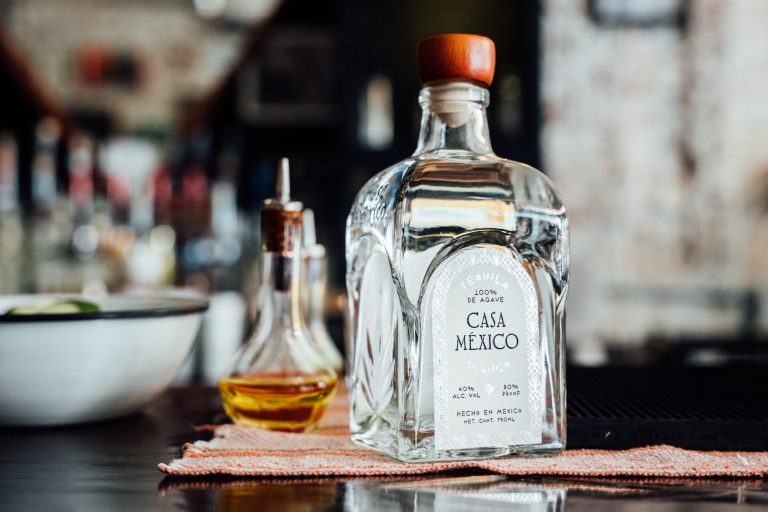
Casa México Tequila is crafted under the guidance of world-renowned Maestra Tequilera Ana María Romero Mena. With decades of experience creating acclaimed tequilas and mentoring future generations of distillers, she brings both deep tradition and thoughtful innovation to the brand. From agave selection to distillation and aging, her expertise ensures every expression reflects authenticity, precision and exceptional quality.

Slurred speech develops when alcohol depresses the central nervous system, affecting the muscles controlling the tongue, lips, and vocal cords. The brain’s ability to coordinate speech production deteriorates. Messages from the brain to the mouth muscles become delayed and imprecise. Words blend together. Pronunciation becomes unclear. Speech patterns slow down or speed up erratically. The effect worsens as blood alcohol concentration rises.
Severity: Moderate
Reversibility: Yes, fully reversible as the body metabolizes alcohol. No specific treatment exists beyond allowing time for alcohol elimination. Normal speech returns within 4-12 hours after drinking stops, depending on consumption amount.
3. Drowsiness or Fatigue
Category: Physical
Drowsiness or fatigue emerges when alcohol acts as a central nervous system depressant, slowing brain activity and inducing sedation. Gamma-aminobutyric acid (GABA) receptors become activated, producing calming effects. Neural firing rates decrease throughout the brain. Energy levels drop as the body diverts resources to metabolize alcohol. The substance disrupts normal sleep architecture despite causing initial drowsiness. Fatigue intensifies as the liver works to eliminate toxins.
Severity: Moderate
Reversibility: Yes, drowsiness resolves as alcohol leaves the system. Rest and hydration help recovery. Normal alertness returns within 6-12 hours. Quality sleep remains disrupted for 24-48 hours after consumption, even after apparent wakefulness returns.
4. Nausea and Vomiting
Category: Physical
Nausea and vomiting occur when alcohol irritates the stomach lining and increases gastric acid production. The substance triggers the brain’s chemoreceptor trigger zone, signaling the vomiting center. Ethanol damages the gastrointestinal tract’s protective mucosa. The body recognizes alcohol as a toxin and attempts elimination through vomiting. Dehydration worsens nausea. Rapid consumption overwhelms the digestive system’s capacity to process alcohol safely.
Severity: Moderate to High
Reversibility: Yes, symptoms subside as alcohol is eliminated. Hydration with water or electrolyte solutions helps. Anti-nausea medications (ondansetron, metoclopramide) provide relief. Small amounts of bland food stabilize the stomach. Recovery occurs within 12-24 hours for most drinkers.
5. Mood Swings or Aggression
Category: Mental/Emotional
Mood swings or aggression manifest when alcohol disrupts neurotransmitter balance, particularly serotonin, dopamine, and GABA. The prefrontal cortex loses inhibitory control over emotional responses. Initial euphoria gives way to depression, irritability, or anger as blood alcohol levels change. Emotional regulation becomes severely impaired. Suppressed feelings surface without normal filtering mechanisms. Some drinkers experience heightened aggression due to reduced impulse control and altered perception of social cues.
Severity: Moderate to High
Reversibility: Yes, mood stabilizes as alcohol metabolizes. Time remains the primary remedy. Normal emotional regulation returns within 12-24 hours. Chronic heavy drinking requires longer recovery periods an need professional mental health support.
6. Blurred Vision
Category: Physical
Blurred vision happens when alcohol affects the eye muscles responsible for controlling and coordinating eye movement. The substance slows communication between the eyes and brain. Pupils react more slowly to light changes. The visual cortex processes information less efficiently. Double vision occurs when eye muscles fail to align properly. Peripheral vision narrows. Depth perception becomes unreliable, making distance judgment difficult and dangerous.
Severity: Moderate
Reversibility: Yes, vision returns to normal as alcohol clears the system. No specific treatment exists beyond time and hydration. Visual clarity restores within 6-12 hours. Severe cases with extremely high alcohol consumption require up to 24 hours for complete recovery.
7. Memory Lapses or Blackouts
Category: Mental/Emotional
Memory lapses or blackouts result when alcohol interferes with the hippocampus, the brain region responsible for forming new memories. The substance blocks the transfer of information from short-term to long-term memory storage. Fragmentary blackouts create partial memory gaps. Complete blackouts prevent any memory formation despite remaining conscious. Neural pathways for memory consolidation become temporarily disabled. Higher blood alcohol concentrations increase blackout likelihood dramatically.
Severity: High
Reversibility: Partially reversible. Lost memories during blackouts remain permanently inaccessible. Brain function returns to normal after alcohol elimination, allowing new memory formation. Recovery of memory-forming ability occurs within 12-24 hours. Repeated blackouts cause lasting cognitive impairment requiring neurological evaluation.
8. Headaches and Dehydration
Category: Physical
Headaches and dehydration develop when alcohol acts as a diuretic, increasing urine production and fluid loss. The body loses essential electrolytes (sodium, potassium, magnesium). Blood vessels in the brain dilate, creating pressure and pain. Acetaldehyde, a toxic alcohol byproduct, accumulates and triggers inflammation. The pituitary gland suppresses vasopressin, preventing water reabsorption. Congeners in darker alcohols worsen headache severity.
Severity: Moderate
Reversibility: Yes, symptoms resolve with rehydration and time. Water and electrolyte solutions (sports drinks, coconut water) restore fluid balance. Pain relievers (ibuprofen, aspirin) reduce headache intensity. Avoid acetaminophen due to liver stress. Full recovery occurs within 12-36 hours with proper hydration.
9. Low Blood Sugar (Hypoglycemia)
Category: Physical
Low blood sugar (hypoglycemia) develops when alcohol inhibits gluconeogenesis, the liver’s process of producing glucose from non-carbohydrate sources. The liver prioritizes alcohol metabolism over maintaining blood sugar levels. Stored glycogen becomes depleted without replacement. Insulin response becomes erratic. Symptoms are shakiness, confusion, sweating, rapid heartbeat, and weakness. Diabetics and people drinking on an empty stomach face a higher risk. Severe hypoglycemia leads to seizures or loss of consciousness.
Severity: High
Reversibility: Yes, blood sugar normalizes with proper intervention. Consuming fast-acting carbohydrates (juice, glucose tablets, regular soda) raises levels quickly. Food intake before or during drinking prevents hypoglycemia. Severe cases require medical glucose administration. Recovery occurs within 15 to 30 minutes of treatment for mild cases, but severe hypoglycemia requires emergency medical care.
Long-Term Effects of Alcohol:
The long-term effects of alcohol impact various organs and systems in the body, leading to chronic health conditions. Prolonged alcohol consumption increases the risk of liver disease, heart problems, neurological damage, and cancer. The body becomes more vulnerable to alcohol’s harmful effects over time, which causes irreversible damage. The long-term effects of alcohol extend beyond physical health, potentially contributing to mental health disorders. The conditions emphasize the importance of moderation in alcohol consumption to lessen the long-term effects of alcohol.
1. Liver Damage
Category: Physical
Liver damage develops when chronic alcohol consumption causes fatty liver disease, alcoholic hepatitis, fibrosis, and cirrhosis, permanent scarring that impairs liver function. The liver, responsible for filtering toxins and producing essential proteins, becomes progressively damaged. Alcohol metabolism produces acetaldehyde, a toxic compound that destroys liver cells. Inflammation accumulates over years of heavy drinking. Scar tissue replaces healthy liver tissue, preventing proper blood flow and protein synthesis. Life-threatening complications cover liver failure, internal bleeding, and liver cancer.
Severity: High
Reversibility: Partially reversible. Fatty liver and early inflammation improve with abstinence, but cirrhosis causes permanent scarring. Advanced cases require liver transplantation. Early detection and complete alcohol cessation are crucial for recovery.
2. Heart Problems
Category: Physical
Heart problems emerge when long-term alcohol abuse weakens the heart muscle, causing cardiomyopathy. The heart becomes enlarged and struggles to pump blood efficiently. Chronic drinking raises blood pressure, increasing stroke and heart attack risk. Alcohol disrupts heart rhythm, causing atrial fibrillation and other arrhythmias. Blood vessels stiffen and narrow from prolonged alcohol exposure. Triglyceride levels rise, contributing to arterial plaque buildup. Heavy drinkers face significantly higher cardiovascular disease mortality rates.
Severity: High
Reversibility: Partially reversible. Early-stage cardiomyopathy improves with abstinence and medical treatment. Severe heart damage becomes permanent. Blood pressure and cholesterol levels normalize within months of sobriety. Advanced heart failure requires medication, lifestyle changes, or transplantation.
3. Brain Damage and Cognitive Decline
Category: Mental/Emotional and Physical
Brain damage and cognitive decline result from alcohol’s neurotoxic effects on brain tissue. Chronic drinking shrinks the frontal cortex, hippocampus, and cerebellum. Wernicke-Korsakoff syndrome develops from thiamine deficiency, causing severe memory impairment and confusion. Neural connections deteriorate, slowing information processing. Executive function, decision-making, and problem-solving abilities decline. Permanent brain cell death occurs with prolonged heavy consumption. Dementia risk increases substantially among chronic alcohol users.
Severity: High
Reversibility: Partially reversible. Some cognitive functions improve within the first year of abstinence as the brain forms new neural pathways. Severe damage, particularly Wernicke-Korsakoff syndrome and extensive brain atrophy, remains permanent. Early intervention and thiamine supplementation prevent further deterioration.
4. Increased Risk of Cancer
Category: Physical
Increased cancer risk develops because alcohol metabolizes into acetaldehyde, a carcinogenic compound that damages DNA and prevents cellular repair. Chronic drinking increases cancers of the mouth, throat, esophagus, liver, colon, rectum, and breast. Alcohol impairs the body’s ability to absorb cancer-fighting nutrients like vitamins A, C, E, and folate. The substance acts as a solvent, helping carcinogens penetrate tissue more easily. Women face elevated breast cancer risk even with moderate consumption. Risk increases proportionally with consumption levels.
Severity: High
Reversibility: Risk reduction occurs with abstinence, but prior damage remains. Stopping alcohol consumption lowers future cancer risk within 10-20 years. Existing cancers require medical treatment (surgery, chemotherapy, radiation). DNA damage from years of drinking remains irreversible, though the body’s cancer-fighting capabilities improve after quitting.
5. Digestive Issues
Category: Physical
Digestive issues arise when chronic alcohol consumption damages the entire gastrointestinal tract. The stomach lining erodes, causing gastritis and ulcers. Alcohol disrupts gut bacteria balance, reducing beneficial microorganisms. Pancreatic inflammation (pancreatitis) develops, impairing enzyme production for digestion. The intestinal lining becomes permeable, allowing toxins into the bloodstream. Nutrient absorption decreases significantly. Chronic diarrhea, acid reflux, and abdominal pain become persistent problems. Esophageal varices develop from liver damage.
Severity: Moderate to High
Reversibility: Partially reversible. Mild gastritis and gut inflammation heal within weeks to months of abstinence. Chronic pancreatitis causes permanent pancreatic damage requiring enzyme replacement therapy. Gut microbiome restoration takes 6-12 months. Severe cases need ongoing medical management and dietary modifications.
6. Weakened Immune System
Category: Physical
A weakened immune system occurs because alcohol suppresses white blood cell production and function. The body’s ability to fight infections, viruses, and bacteria diminishes significantly. Chronic drinkers experience more frequent respiratory infections, pneumonia, and tuberculosis. Wound healing slows dramatically. Alcohol disrupts cytokine production, impairing inflammatory responses. The gut microbiome damage further compromises immune defenses. Cancer surveillance by immune cells decreases. Vaccination effectiveness reduces in heavy drinkers.
Severity: Moderate to High
Reversibility: Largely reversible. Immune function begins recovering within weeks of abstinence. Full restoration takes 3-12 months depending on prior damage severity. White blood cell counts normalize. Infection susceptibility decreases. Nutritional support and adequate sleep accelerate immune system recovery.
7. Mental Health Disorders
Category: Mental/Emotional
Mental health disorders intensify when chronic alcohol use disrupts neurotransmitter systems controlling mood and emotion. Depression worsens as alcohol depletes serotonin and dopamine. Anxiety disorders develop or escalate from GABA system dysfunction. Alcohol-induced psychosis causes hallucinations and delusions. Bipolar disorder symptoms amplify with drinking. Suicide risk increases dramatically among alcohol-dependent individuals. The cycle of drinking to cope with mental distress creates self-perpetuating psychological deterioration. Co-occurring disorders complicate treatment and recovery.
Severity: High
Reversibility: Partially reversible. Mental health improves significantly within 3-6 months of abstinence as brain chemistry stabilizes. Underlying psychiatric conditions require ongoing treatment with therapy and medication. Some individuals develop permanent mood disorders from years of heavy drinking. Integrated treatment addressing addiction and mental health together provides the best outcomes.
8. Addiction and Dependency
Category: Mental/Emotional and Physical
Addiction and dependency develop when repeated alcohol exposure rewires the brain’s reward system. Dopamine pathways become hijacked, creating powerful cravings. Physical dependence causes withdrawal symptoms (tremors, seizures, delirium tremens) when drinking stops. Tolerance builds, requiring increasing amounts to achieve effects. The prefrontal cortex loses control over impulse regulation. Drinking becomes compulsive despite negative consequences. Neuroadaptation makes the brain function abnormally without alcohol present. Relapse rates remain high without proper treatment.
Severity: High
Reversibility: Manageable but chronic. Addiction represents a long-term brain disorder requiring ongoing management. Medically supervised detoxification safely manages withdrawal. Behavioral therapy, support groups, and medications (naltrexone, acamprosate, disulfiram) support sustained recovery. Brain healing continues for years after quitting. Complete abstinence prevents relapse, but the vulnerability to addiction remains lifelong.
9. Sexual Dysfunction
Category: Physical
Sexual dysfunction emerges when chronic alcohol consumption disrupts hormone production and nerve function. Men experience erectile dysfunction as alcohol damages blood vessels and reduces testosterone. Libido decreases in all genders. Women face menstrual irregularities, reduced fertility, and vaginal dryness. Alcohol interferes with arousal signals between the brain and reproductive organs. Testicular atrophy and reduced sperm production occur in heavy drinkers. Nerve damage prevents a proper sexual response. Relationship problems compound physical and sexual difficulties.
Severity: Moderate
Reversibility: Largely reversible. Sexual function improves within 3-6 months of abstinence as hormone levels normalize. Erectile function recovers as cardiovascular health improves. Severe nerve damage causes permanent dysfunction. Testosterone supplementation and medical treatments help some cases. Psychological counseling addresses intimacy issues developed during active drinking.
10. Nutritional Deficiencies
Category: Physical
Nutritional deficiencies develop because alcohol impairs nutrient absorption and increases excretion of essential vitamins and minerals. Thiamine (B1) deficiency causes neurological damage and Wernicke-Korsakoff syndrome. Folate depletion increases anemia and birth defect risks. Vitamin B12, B6, and vitamin D levels drop significantly. Magnesium, zinc, and calcium deficiencies weaken bones and immune function. Alcohol provides empty calories while displacing nutritious food. Malnutrition accelerates organ damage and cognitive decline.
Severity: Moderate to High
Reversibility: Largely reversible. Vitamin and mineral supplementation corrects most deficiencies within weeks to months. Neurological damage from severe thiamine deficiency remains permanent. Balanced nutrition and abstinence restore normal absorption. Blood levels normalize with proper diet and supplementation. Severe malnutrition requires medical monitoring during refeeding.
11. Bone Weakening
Category: Physical
Bone weakening occurs when chronic alcohol consumption disrupts bone remodeling and calcium absorption. Alcohol inhibits osteoblast function, preventing new bone formation. Osteoclasts continue breaking down old bone, creating net bone loss. Osteoporosis and osteopenia develop, increasing fracture risk. Calcium and vitamin D deficiencies compound bone deterioration. Hormonal imbalances from alcohol further weaken bone structure. Falls from intoxication and poor coordination lead to fractures in already-fragile bones.
Severity: Moderate to High
Reversibility: Partially reversible. Bone density improves slowly with abstinence, calcium and vitamin D supplementation, and weight-bearing exercise. Recovery takes years and never fully restores peak bone mass. Existing fractures heal normally with proper treatment. Osteoporosis medications (bisphosphonates) help rebuild bone. Prevention through early cessation proves more effective than reversal.
12. Social, Legal, and Occupational Problems
Category: Mental/Emotional and Physical
Social, legal, and occupational problems accumulate when alcohol dependence disrupts all life areas. Job performance deteriorates, leading to termination and financial instability. DUI arrests, domestic violence charges, and public intoxication create criminal records. Relationships fracture as trust erodes and behavior becomes unpredictable. Child custody battles and divorce proceedings follow domestic problems. Professional licenses face suspension or revocation. Homelessness risk increases with job loss and family estrangement. Social isolation intensifies as drinking partners replace healthy relationships.
Severity: High
Reversibility: Largely reversible with sustained recovery effort. Legal records remain permanent, but consequences diminish over time. Employment opportunities improve with sobriety and skill rebuilding. Damaged relationships require extensive repair through therapy and consistent behavior change. Financial recovery takes years of stability. Social networks rebuild through support groups and sober activities. Professional rehabilitation programs help restore careers and licenses.
Why is Alcohol Bad for you?
Alcohol is bad for you because it disrupts organ function, damages cellular structures, and increases the risk of chronic disease through toxic metabolic byproducts. Ethanol converts into acetaldehyde after ingestion. Acetaldehyde damages DNA, proteins, and cell membranes while increasing oxidative stress. Regular alcohol intake strains the liver, reduces metabolic efficiency, and interferes with nutrient absorption, leading to vitamin deficiencies that impair nerve signaling and immune response. Cardiovascular strain rises through elevated blood pressure, altered heart rhythms, and weakened heart muscle performance.
Long-term alcohol exposure increases the incidence of liver disease, multiple cancers, neurological decline, and mental health disorders through sustained biological stress. Alcohol weakens brain signaling pathways that regulate judgment, memory, and impulse control, resulting in lasting cognitive impairment. Hormonal disruption affects insulin regulation, stress response, and reproductive health, contributing to metabolic disorders and fertility issues. Public health data consistently link alcohol consumption to higher injury rates, addiction patterns, and reduced life expectancy, reinforcing the physiological harm associated with alcohol use.
Which Alcohol Ingredients are Responsible for Harmful Side Effects?
The alcohol ingredients that are responsible for harmful side effects are listed below.
- Ethanol: A psychoactive compound depresses central nervous system activity and disrupts hydration balance. Metabolic processing places sustained stress on the liver, cardiovascular system, and neurological function.
- Acetaldehyde: The toxic metabolite forms during ethanol breakdown and accumulates rapidly in body tissues. Cellular damage develops through oxidative reactions that trigger headaches, nausea, and vascular inflammation.
- Methanol: A hazardous contaminant appears through improper distillation or fermentation control. Toxic metabolites attack the optic nerve and nervous system while causing a severe metabolic imbalance.
- Fusel Alcohols: Higher-chain alcohols emerge during fermentation and persist in distilled beverages. Neurological strain and digestive irritation increase through elevated toxic load.
- Congeners: Secondary fermentation compounds contribute to darker spirits and stronger physiological reactions. Inflammatory markers rise alongside hangover intensity and oxidative stress.
- Sulfites: Preservative compounds stabilize shelf life and inhibit microbial growth. Respiratory discomfort and skin reactions occur in sulfite-sensitive groups.
- Histamines: Biogenic amines develop during fermentation and maturation stages. Vascular dilation and immune responses lead to flushing, headaches, and nasal congestion.
- Artificial Colorants: Synthetic dyes alter visual appearance and chemical composition. Allergic responses and inflammatory reactions arise through repeated exposure.
- Caramel Coloring (E150d): Heat-treated sugars introduce complex compounds during coloring processes. Gastrointestinal irritation and metabolic strain correlate with elevated intake of alcohol ingredients.
What are the Disadvantages of Alcohol?
The disadvantages of alcohol are listed below.
- Health Damage: Regular alcohol intake harms vital organs and disrupts normal biological functions. Medical research documents alcohol disadvantages through higher rates of liver disease, cardiovascular conditions, and weakened immune response.
- Addiction Risk: Repeated alcohol exposure alters brain chemistry and reinforces compulsive consumption patterns. Clinical evidence links sustained intake to dependency, classified among the most serious disadvantages of drinking alcohol.
- Mental Health Decline: Alcohol use worsens anxiety disorders, depressive symptoms, and emotional instability. Neurological impairment appears through reduced concentration, memory loss, and impaired stress regulation.
- Impaired Judgment: Alcohol consumption lowers reaction speed and weakens decision-making accuracy. Safety risks rise through accidents, injuries, and dangerous behavior during intoxication.
- Social and Relationship Strain: Alcohol misuse contributes to conflict within families, workplaces, and community relationships. Communication breakdown and trust erosion frequently follow prolonged misuse.
- Financial Burden: Alcohol-related expenses increase healthcare costs and daily spending. Employment stability declines through reduced productivity and higher absenteeism.
- Legal Consequences: Alcohol involvement increases violations tied to public safety and conduct (driving under the influence, disorderly behavior). Legal penalties create long-term financial and reputational damage.
- Reduced Physical Performance: Alcohol interferes with sleep cycles, coordination, and muscle recovery. Physical endurance and daily energy levels decline with consistent consumption.
What does Alcohol do to your Body?
Alcohol disrupts the functions of your body. Alcohol enters the bloodstream through the stomach and small intestine, then circulates to the brain, liver, heart, and nervous system, altering normal biological function. It slows brain signaling by depressing the central nervous system, which reduces coordination, reaction speed, memory formation, and decision control.
Alcohol stresses the liver through repeated detoxification, leading to fat accumulation, inflammation, and permanent scarring after sustained exposure. Consuming alcohol disrupts hormone balance, increases stomach acid production, weakens immune response, raises blood pressure, and interferes with nutrient absorption. The result is a system-wide damage that increases disease risk across neurological, cardiovascular, digestive, and metabolic systems.
What Organ does Alcohol Affect the Most?
The organs alcohol affects the most are listed below.
- Liver: Metabolic processing of ethanol places sustained strain on liver cells responsible for detoxification. Progressive injury appears through fat buildup, inflammation, fibrotic scarring, and permanent cirrhosis.
- Brain: Neural signaling disruption alters memory formation, coordination, and emotional regulation. Long-term exposure produces structural deterioration that reduces cognitive capacity and judgment accuracy.
- Heart: Cardiac function weakens through rhythm disturbances and muscle fiber damage. Extended intake raises the risk of hypertension, cardiomyopathy, stroke, and heart failure.
- Pancreas: Inflammatory response within pancreatic tissue interferes with digestive enzyme control. Recurrent irritation leads to acute pancreatitis and lasting pancreatic impairment.
- Stomach: Gastric lining irritation increases acid secretion and compromises protective barriers. Ongoing damage results in gastritis, ulcer development, and reduced nutrient absorption.
How does Alcohol Damage the Liver?
Alcohol damages the liver by overwhelming liver cells with toxic acetaldehyde during ethanol metabolism, triggering inflammation, fat accumulation, and progressive cellular injury. The liver converts ethanol into acetaldehyde, which disrupts normal cell function, and stimulates immune-mediated inflammation. Chronic exposure increases oxidative stress, depletes antioxidants, and promotes lipid buildup inside hepatocytes, leading to alcoholic fatty liver disease.
Continued alcohol exposure sustains inflammatory signaling and fibrotic responses, replacing healthy liver tissue with scar tissue and advancing negative health conditions (alcoholic hepatitis, cirrhosis). Advanced fibrosis restricts blood flow through the liver, impairs detoxification, reduces protein synthesis, and elevates risks of liver failure and hepatocellular carcinoma.
How does Alcohol Impact the Heart and Blood Vessels?
Alcohol Impacts the heart and blood vessels by altering blood pressure, heart rhythm, vascular tone, and lipid metabolism. Regular intake raises blood pressure through sustained sympathetic activation and impaired baroreceptor control. Heavy intake disrupts cardiac electrical conduction and produces atrial fibrillation episodes known as holiday heart syndrome. Chronic exposure weakens heart muscle fibers and results in dilated cardiomyopathy with reduced pumping capacity.
Elevated triglyceride levels and increased oxidative stress accelerate atherosclerotic plaque formation within coronary and peripheral vessels. Hemostatic imbalance from alcohol intake promotes platelet aggregation and elevates thrombotic risk during binge patterns. Large cohort studies demonstrate higher rates of hypertension, stroke, and heart failure among groups with persistent high intake compared with abstinent groups.
What does Alcohol do to the Brain and Nervous System?
Alcohol disrupts the brain and nervous system. Alcohol alters neurotransmitter signaling, damaging nerve cells and suppressing normal electrical communication. The substance increases inhibitory gamma aminobutyric acid activity and reduces excitatory glutamate transmission, slowing reaction time, impairing judgment, and weakening coordination.
Repeated exposure changes dopamine regulation, reinforcing compulsive consumption patterns and reducing natural reward sensitivity. Chronic alcohol use damages peripheral nerves and central neural pathways, leading to memory loss, neuropathy, and impaired motor control. Long-term neurological injury manifests through structural brain shrinkage, reduced white matter integrity, and persistent cognitive deficits that affect learning, decision making, and emotional regulation.
How does Alcohol Affect the Kidneys and Pancreas?
Alcohol affects the kidneys and pancreas by disrupting fluid balance, impairing metabolic regulation, and triggering inflammatory damage that interferes with normal organ function. Alcohol suppresses antidiuretic hormone release, which increases urine output and leads to dehydration that strains kidney filtration capacity. Exposure raises blood pressure and alters electrolyte regulation, which accelerates kidney tissue stress and increases the risk of chronic kidney disease. Alcohol metabolism generates toxic byproducts that burden renal clearance systems and contribute to long-term structural damage.
Alcohol affects the pancreas by stimulating premature activation of digestive enzymes that inflame pancreatic tissue and disrupt insulin regulation. Alcohol driven inflammation interferes with insulin production, which elevates blood glucose levels and raises the risk of diabetes linked to pancreatic dysfunction. Repeated alcohol exposure leads to acute pancreatitis episodes and progresses toward chronic pancreatitis, marked by irreversible scarring and digestive impairment.
Which Muscles are Affected First by Alcohol?
The muscles affected first by alcohol are listed below.
- Extraocular muscles: Eye alignment and tracking control deteriorate rapidly during alcohol exposure. Visual focus weakens and produces blurred vision and double images.
- Facial muscles: Fine motor control responsible for facial expression and speech articulation declines early after alcohol intake. Speech clarity decreases as muscle timing and precision deteriorate.
- Intrinsic hand muscles: Finger precision and coordinated grip control decline at an early stage of alcohol exposure. Tasks requiring accurate hand movements become difficult and unreliable.
- Forearm muscles: Wrist stability and controlled hand positioning weaken shortly after alcohol consumption. Tremors and imprecise movements appear during routine actions.
- Postural trunk muscles: Upright posture maintenance loses coordinated muscle activation during alcohol exposure. Balance control declines and leads to noticeable body sway while standing or walking.
- Lower leg stabilizer muscles: Ankle stability and gait regulation lose responsive control early in alcohol exposure. Walking patterns become unstable with delayed corrective movement
What does Alcohol do to Stomach and Gut?
Alcohol causes inflammation and cirrhosis of the stomach and gut. Alcohol irritates the stomach lining, increases gastric acid secretion, weakens the protective mucus barrier, and triggers inflammation that leads to gastritis, nausea, abdominal pain, and vomiting. Exposure to alcohol disrupts normal gut motility, accelerates intestinal transit, and reduces digestive efficiency, resulting in bloating and diarrhea.
Alcohol disrupts gut barrier function and microbiome balance. Alcohol shifts the gut microbiota composition by reducing beneficial bacteria and increasing harmful strains, which contributes to immune dysregulation and chronic gut inflammation. Long-term alcohol intake increases the risk of peptic ulcers, gastrointestinal bleeding, malabsorption of vitamins, and liver-gut axis disorders through sustained mucosal injury and inflammatory signaling.
How does Alcohol Affect Male and Female Reproductive Health?
Alcohol affects male and female reproductive health by disrupting hormone regulation, impairing gamete quality, and increasing reproductive risks. Chronic alcohol intake lowers testosterone production in males, reduces sperm concentration, decreases sperm motility, and raises the rate of abnormal sperm forms (oligospermia, asthenozoospermia). Alcohol exposure interferes with estrogen and progesterone balance in females, alters ovulation timing, reduces oocyte quality, and increases menstrual irregularity (anovulation, luteal phase defects).
Metabolizing alcohol produces acetaldehyde and oxidative stress that damages reproductive tissues within sperm and oocytes, which correlates with reduced fertility and higher miscarriage rates. Clinical and epidemiologic evidence links sustained alcohol use with erectile dysfunction in males and with delayed conception and pregnancy loss in females (infertility, spontaneous abortion).
What are the Physiological Effects of Alcohol?
The physiological effects of alcohol are listed below.
- Central Nervous System Depression: Alcohol slows brain signaling and interferes with neurotransmitter balance. Reaction speed, coordination, and decision accuracy decline as inhibitory pathways dominate neural activity.
- Liver Toxicity: Ethanol breakdown generates acetaldehyde, a compound that injures liver tissue at the cellular level. Progressive exposure drives fat accumulation, inflammation, and irreversible scarring.
- Cardiovascular Strain: Circulatory pressure rises as alcohol alters vascular tone and blood vessel function. Irregular heart rhythms and reduced muscle efficiency follow sustained exposure.
- Digestive System Irritation: Gastric lining inflammation occurs after alcohol contact with stomach tissue. Digestive enzyme release and nutrient uptake decline as irritation persists.
- Hormonal Disruption: Endocrine signaling shifts when alcohol interferes with insulin, cortisol, and sex hormone regulation. Metabolic instability and reproductive dysfunction develop through repeated disruption.
- Immune System Suppression: White blood cell activity decreases after alcohol exposure. Infection resistance and tissue repair slow as immune coordination weakens.
- Neurological Damage: Neuronal structures suffer injury through oxidative stress and disrupted synaptic communication. Memory formation and concentration capacity decline over time.
- Cancer Risk Elevation: Cellular mutation rates increase through DNA damage caused by toxic metabolites. Malignancy risk rises across tissues exposed to prolonged alcohol contact.
- Dehydration and Electrolyte Imbalance: Fluid loss accelerates when alcohol suppresses antidiuretic hormone release. Sodium and potassium regulation destabilizes as urination increases.
- Addiction and Dependence: Dopamine reward pathways shift under repeated alcohol exposure. Compulsive intake patterns and physical reliance develop through reinforced neural conditioning.
What Emotional Changes does Alcohol Cause?
The emotional changes alcohol causes are listed below.
- Lowered Inhibition: Reduced activity in the brain areas responsible for self-control weakens behavioral restraint. Impulsive decisions and risk-oriented actions increase during intoxication.
- Mood Instability: Neurochemical disruption interferes with emotional regulation systems. Emotional states fluctuate rapidly across excitement, irritability, sadness, and agitation.
- Increased Aggression: Impaired judgment affects impulse moderation and threat perception. Confrontational reactions and hostile behavior appear with greater frequency.
- Heightened Anxiety: Rebound effects emerge after depressant influence subsides. Nervous tension, restlessness, and panic symptoms intensify during comedown periods.
- Emotional Numbing: Depressed neural responsiveness dulls emotional awareness. Reduced empathy and muted reactions develop with repeated exposure.
- Depressive Feelings: Long-term neurotransmitter suppression alters mood stability. Persistent sadness and loss of motivation become more pronounced.
- Overconfidence: Distorted self-evaluation skews perception of ability and control. Poor decision-making follows inflated confidence levels.
- Emotional Dependence: Reliance on alcohol replaces adaptive emotional regulation strategies. Stress response patterns shift toward habitual consumption rather than coping skills.
Can Alcohol Worsen Anxiety or Depression?
Yes, alcohol can worsen anxiety or depression. Alcohol interferes with neurotransmitters responsible for mood stability, emotional regulation, and stress response. Repeated alcohol exposure disrupts serotonin balance, suppresses adaptive coping mechanisms, and triggers rebound anxiety once blood alcohol levels decline. Clinical evidence associates frequent alcohol use with intensified depressive episodes, higher anxiety severity, reduced response to therapy, and increased relapse frequency among diagnosed mood disorders.
How does Alcohol Affect Sleep Quality and Stress Levels?
Alcohol affects sleep quality and stress levels by disrupting sleep cycles and activating stress-related hormonal pathways. Alcohol reduces rapid eye movement sleep and fragments slow-wave sleep, which limits cognitive recovery and emotional processing during rest. Metabolic breakdown of alcohol increases cortisol release and sympathetic nervous system activity. The excessive cortisol sustains physiological stress, daytime fatigue, irritability, and reduced concentration across waking hours.
What Social and Behavioral Problems can Alcohol Lead To?
The social and behavioral problems alcohol can lead to are impaired judgment, aggressive behavior, reduced impulse control, academic decline, occupational instability, and legal violations. Alcohol weakens executive brain functions responsible for decision-making and emotional restraint, which increases conflict in family and workplace settings. Long-term misuse correlates with unsafe driving behavior, financial strain, disciplinary actions, and erosion of trust within professional and personal relationships.
How does Alcohol Affect Teenagers and Young Adults?
Alcohol affects teenagers and young adults by altering brain development, increasing mental health vulnerability, and reinforcing high-risk behavior patterns. Ongoing maturation of the prefrontal cortex becomes disrupted through alcohol exposure, which affects memory formation, emotional regulation, and learning efficiency. Early alcohol use leads to higher rates of anxiety disorders, depressive symptoms, substance dependence, academic underperformance, and long-term cognitive deficits.
How does Alcohol Impact Older Adults?
Alcohol impacts older adults by intensifying chronic medical conditions and increasing sensitivity to physiological effects. Age-related metabolic slowdown raises blood alcohol concentration and prolongs intoxication duration, which elevates fall risk and injury severity. Alcohol interactions with prescription medications increase complications related to cardiovascular disease. Older adults experience greater cognitive decline, balance impairment, sleep disruption, and reduced functional independence due to greater alcohol intakes.
What are the Worst Health Risks Associated with Alcohol?
The worst health risks associated with alcohol are listed below.
- Liver Disease: Continuous ethanol exposure forces liver cells to metabolize toxic compounds without recovery periods. Progressive fat buildup, inflammation, fibrosis, and cirrhosis reduce detoxification capacity and disrupt metabolic regulation.
- Brain Damage: Neurochemical suppression interferes with synaptic signaling and damages neural tissue over time. Structural deterioration leads to memory impairment, reduced attention control, and long-term cognitive decline.
- Heart Disease: Recurrent cardiovascular stress raises blood pressure and disrupts cardiac electrical activity. Muscle weakening and rhythm instability increase stroke risk, heart failure incidence, and sudden cardiac events.
- Cancer: Metabolic conversion into acetaldehyde damages deoxyribonucleic acid (DNA) and disrupts cellular repair processes. Mutation accumulation increases malignancy rates across oral, esophageal, liver, colorectal, and breast tissues.
- Addiction and Dependence: Repeated stimulation of reward circuits alters dopamine signaling and stress-response balance. Neuroadaptation drives compulsive intake patterns and severe physiological withdrawal reactions.
- Immune Suppression: Alcohol exposure reduces white blood cell efficiency and inflammatory coordination. Infection resistance declines while recovery time from illness extends.
- Digestive System Damage: Mucosal irritation increases acid secretion and disrupts digestive enzyme balance. Chronic exposure leads to gastritis, ulceration, pancreatic inflammation, and nutrient absorption failure.
- Mental Health Disorders: Neurotransmitter imbalance interferes with emotional regulation and sleep stability. Depression severity, anxiety disorders, and mood instability intensify with sustained intake.
- Reproductive and Hormonal Disruption: Endocrine interference alters testosterone, estrogen, and cortisol signaling. Fertility rates decline while sexual function and metabolic balance deteriorate.
- Injury and Mortality Risk: Motor coordination loss and judgment impairment raise accident probability. Fatal outcomes increase through traffic collisions, falls, occupational injuries, and violence exposure.
Which Types of Alcohol Cause the Worst Health Effects?
The types of alcohol that cause the worst health effects are listed below.
- Spirits: High ethanol concentration accelerates liver toxicity and elevates cardiovascular strain through rapid blood alcohol spikes. Fast absorption reinforces dependency patterns and increases injury risk during repeated intake.
- Moonshine or Unregulated Homemade Spirits: Methanol contamination and heavy metal exposure drive severe poisoning outcomes tied to inconsistent distillation. Acute toxicity presents through blindness, organ failure, and fatal overdose events.
- Fortified Wines: Added distilled alcohol raises ethanol load beyond standard wine levels and sustains inflammatory liver injury. Frequent consumption patterns intensify fat accumulation and long-term metabolic stress.
- Sweet Liqueurs or Cream-Based Alcohols: Concentrated sugar and ethanol combine to promote fatty liver progression and insulin resistance. Caloric density supports rapid weight gain and worsens glycemic control.
- Beer: Large serving volumes deliver sustained caloric intake that promotes abdominal fat accumulation. Chronic exposure supports metabolic dysfunction and persistent liver stress.
- Cider: Fermentation acidity and residual sugars irritate gastrointestinal tissue and erode dental enamel. Repeated intake contributes to liver fat deposition and digestive discomfort.
- Flavored Spirits or Ready-to-Drink Alcoholic Beverages: Sweeteners and flavoring agents obscure ethanol strength and encourage binge-style consumption. Marketing emphasis on easy intake increases systemic toxicity associated with types of alcohol formulated for rapid consumption.
- Absinthe: High alcohol concentration disrupts neurological stability through intensified neurotoxicity. Repeated exposure raises seizure risk and impairs cognitive regulation.
- Brandy or Cognac: Distillation concentrates ethanol and supports cumulative liver and pancreatic injury. Habitual use increases long-term organ damage risk through sustained exposure.
- Mixed Cocktails with Multiple Alcohols: Combined alcohol bases raise total ethanol load within a single serving. Rapid accumulation overwhelms metabolic clearance and elevates acute poisoning risk.
1. Spirits
Overview of Spirits
Spirits represent distilled alcoholic beverages with 40 to 50% alcohol by volume. Distillation concentrates ethanol from fermented grains, fruits, or vegetables. Vodka, whiskey, rum, gin, and tequila fall into the category. The process removes water and impurities, creating potent alcoholic liquids.
When Spirits Are Dangerous to Drink
Spirits become dangerous when consumed rapidly due to high ethanol concentration. Alcohol enters the bloodstream quickly, causing acute intoxication and potential poisoning. Drinking on an empty stomach accelerates absorption. Mixing with energy drinks masks intoxication symptoms. Pregnant women face fetal alcohol syndrome risks. Long-term consumption damages the liver, pancreas, heart, and brain. Spirits are safer when consumed slowly in moderate amounts (one standard drink per hour) with food, allowing the liver time to process ethanol.
2. Moonshine / Unregulated Homemade Spirits
Overview of Moonshine / Unregulated Homemade Spirits
Moonshine refers to illegally produced distilled alcohol made without quality controls. Amateur distillers use makeshift equipment and unverified methods. Methanol frequently contaminates batches. Lead from improvised stills leaches into the liquid. Alcohol concentration ranges unpredictably from weak to lethal.
When Moonshine Is Dangerous to Drink
Moonshine presents immediate danger at any consumption level. Methanol causes blindness, organ failure, and death in small amounts. Lead contamination results in neurological damage and kidney failure. Unknown alcohol percentages make dosing impossible. Batches lack purification steps to remove harmful congeners. Every drink presents unpredictable health risks. Moonshine is never truly safe due to the absence of quality control, testing, and regulation.
3. Fortified Wines
Overview of Fortified Wines
Fortified wines contain added distilled spirits, increasing alcohol content to 15 to 22% by volume. Port, sherry, marsala, and vermouth represent common varieties. Winemakers add spirits during or after fermentation. Sweet fortified wines retain significant residual sugar.
When Fortified Wines Are Dangerous to Drink
Fortified wines become dangerous when drinkers underestimate their potency. Sugar masks alcohol strength, encouraging overconsumption. Diabetics face blood sugar spikes. Higher alcohol percentage overwhelms the liver’s processing capacity. Chronic consumption causes liver disease, pancreatitis, and cardiovascular problems. Pregnant women must avoid fortified wines completely. Fortified wines are safer when consumed in small portions (2 to 3 ounces) as occasional treats rather than full glasses with food to slow absorption.
4. Sweet Liqueurs / Cream-Based Alcohols
Overview of Sweet Liqueurs / Cream-Based Alcohols
Sweet liqueurs combine distilled spirits with sugar, cream, and flavorings. Bailey’s Irish Cream, Kahlúa, and amaretto exemplify the category. Alcohol content ranges from 15 to 40% by volume. High sugar concentrations mask alcohol taste. Cream-based varieties contain dairy products.
When Sweet Liqueurs Are Dangerous to Drink
Sweet liqueurs become dangerous when a pleasant taste encourages rapid consumption. Sugar hides alcohol strength. The combination strains the pancreas and liver simultaneously. Diabetics risk blood sugar fluctuations. Caloric density contributes to obesity and fatty liver disease. Cream-based varieties spoil quickly, causing food poisoning. Sugar-alcohol combination intensifies dehydration and hangovers. Sweet liqueurs are safer when limited to one small serving (1 ounce) and consumed slowly, preferably as after-dinner drinks rather than throughout an evening.
5. Beer
Overview of Beer
Beer is fermented from water, malted grains, hops, and yeast. Alcohol content ranges from 3 to 12% by volume. Yeast ferments grain sugars into ethanol and carbon dioxide. Beer contains carbohydrates, protein, and B vitamins alongside alcohol.
When Beer Is Dangerous to Drink
Beer becomes dangerous when consumed in large volumes. Lower alcohol concentration deceives drinkers into consuming excessive ethanol. Binge drinking (4 to 5 beers in two hours) causes alcohol poisoning. Carbonation accelerates alcohol absorption. Heavy consumption causes weight gain, cardiovascular disease, and liver damage. Gluten harms individuals with celiac disease. Pregnant women risk fetal development problems. Beer is safer when limited to one or two servings over several hours with food, allowing time for metabolism and avoiding binge drinking patterns.
6. Cider
Overview of Cider
Cider is fermented from apple juice or other fruit juices. Alcohol content ranges from [4% to 8%] by volume. Yeast ferments natural fruit sugars into ethanol. Hard cider contains varying residual sugar levels. Cider variations have added sugars or artificial sweeteners.
When Cider Is Dangerous to Drink
Cider becomes dangerous when the sweet taste encourages excessive consumption. Pleasant flavor masks alcohol content. High sugar contributes to rapid intoxication and severe hangovers. Diabetics face blood sugar management challenges. Carbonation speeds alcohol absorption. Sulfite preservatives trigger allergic reactions. Chronic heavy consumption leads to liver disease and alcohol dependency. Cider is safer when consumed in single-serving amounts (one 12-ounce bottle) with awareness of sugar content.
7. Flavored Spirits / Ready-to-Drink Alcoholic Beverages
Overview of Flavored Spirits / Ready-to-Drink Alcoholic Beverages
Flavored spirits combine distilled alcohol with fruit flavors, sweeteners, and additives. Hard seltzers, alcopops, and pre-mixed cocktails dominate the category. Alcohol content varies from [4% to 12%] by volume. Marketing targets younger drinkers with candy-like flavors. Beverages come pre-mixed in cans or bottles.
When Flavored Spirits Are Dangerous to Drink
Flavored spirits become dangerous when candy-like taste obscures alcohol content. Young drinkers underestimate intoxication risk. Pre-mixed format encourages binge drinking. Artificial additives contribute to severe hangovers. Sugar masks alcohol strength. Portable packaging facilitates drinking in dangerous situations. Caffeine in some mixers hides intoxication symptoms. Flavored spirits are safer when drinkers track servings carefully (one per hour maximum), choose lower-alcohol options, and avoid caffeine-containing varieties.
8. Absinthe
Overview of Absinthe
Absinthe is distilled from wormwood, anise, and fennel. Alcohol content ranges from [45% to 75%] by volume. Historical absinthe contained thujone, a psychoactive compound. Modern regulations limit thujone to trace amounts. Traditional preparation involves diluting with ice-cold water.
When Absinthe Is Dangerous to Drink
Absinthe becomes dangerous due to extremely high alcohol content. Strength causes rapid, severe intoxication. Historical formulations contained dangerous thujone levels causing seizures. Drinking undiluted results in quick alcohol poisoning. Vintage or poorly regulated absinthe contains neurotoxic thujone. The mystique encourages irresponsible consumption. Mixing with other alcohols multiplies intoxication effects. Absinthe is safer when properly diluted with water (3 to 5 parts water to 1 part absinthe), consumed slowly, and purchased from regulated modern producers with controlled thujone levels.
9. Brandy / Cognac
Overview of Brandy / Cognac
Brandy is distilled from fermented fruit juice, primarily grapes. Alcohol content ranges from 3560% by volume. Cognac represents brandy produced in France’s Cognac region. Distillation concentrates alcohol from wine. Aging in oak barrels develops complex flavors and high congener concentrations.
When Brandy Is Dangerous to Drink
Brandy becomes dangerous when consumed rapidly due to high alcohol concentration. Smooth taste encourages faster drinking. Congeners intensify hangover symptoms and liver stress. Sipping throughout the evening leads to unnoticed ethanol accumulation. Chronic consumption causes cirrhosis, pancreatitis, and cardiovascular damage. Pregnant women must avoid brandy completely. Brandy is safer when limited to one or two small servings (1 to 1.5 ounces each) over an extended period, allowing proper appreciation of flavor while controlling intake.
10. Mixed Cocktails with Multiple Alcohols
Overview of Mixed Cocktails with Multiple Alcohols
Mixed cocktails combine two or more distilled spirits with mixers and juices. Long Island Iced Tea and AMF contain multiple spirits per drink. Total alcohol content frequently exceeds standard serving guidelines. Fruit juices and sweet mixers mask the strong alcohol taste. Bartenders sometimes overpour without measuring.
When Mixed Cocktails Are Dangerous to Drink
Mixed cocktails become dangerous when multiple spirits create exceptionally high alcohol concentrations. Sweet mixers hide alcohol taste, leading to rapid overconsumption. A single cocktail delivers the equivalent of three or more standard drinks. Delayed intoxication onset leads drinkers to order additional cocktails prematurely.
Sugar accelerates alcohol absorption while masking impairment. Unknown alcohol percentages make responsible consumption impossible. Energy drink mixers hide intoxication symptoms while straining the cardiovascular system. Mixed cocktails are safer when drinkers limit themselves to one drink, request measured pours, avoid multiple-spirit combinations, and pace consumption over several hours.
How does Tequila Affect the Body Compared to other Types of Alcohol?
Tequila affects the body through ethanol metabolism compared to other types of alcohol. The differences in effect are driven by purity, sugar content, and consumption patterns. Tequila produced from 100% blue agave contains fewer residual sugars than flavored spirits or liqueurs. The amount reduces post-consumption blood glucose spikes and limits additional metabolic strain.
Ethanol from tequila follows identical hepatic processing pathways as vodka, whiskey, rum, and gin, producing acetaldehyde that stresses the liver, cardiovascular system, and nervous system. Lower-congener spirits (tequila, vodka) cause reduced headache severity and inflammatory response compared with high-congener drinks (brandy, dark rum).
Physiological outcomes depend on dose, frequency, and drinking context rather than tequila itself. Tequila lacks unique protective effects on digestion, weight regulation, or blood sugar control, despite marketing narratives tied to agave origin. Tequila consumption elevates heart rate, blood pressure, and dehydration risk at rates comparable to other distilled spirits when the ethanol quantity matches. Cultural narratives connected to tequila history influence perception rather than biological response, since ethanol concentration determines systemic impact across all spirit categories.
When Does Drinking Become an Addiction?
Drinking becomes an addiction when alcohol use shifts from voluntary consumption to compulsive behavior marked by loss of control, physical dependence, and continued use despite measurable harm. Alcohol addiction develops once the brain prioritizes alcohol seeking over normal reward processing, which leads to tolerance that requires increasing amounts for the same effect. Withdrawal symptoms (tremors, anxiety, nausea) appear after alcohol levels drop, which confirms physical dependence rather than habitual use. Medical diagnosis identifies addiction through persistent cravings, failed attempts to reduce intake, and interference with work performance, relationships, and health stability.
Alcohol addiction progresses through neurochemical adaptation driven by repeated dopamine overstimulation and stress system activation. Brain regions responsible for judgment and impulse control show reduced regulatory function, which sustains compulsive drinking patterns. Long-term alcohol exposure alters stress response pathways, which reinforces drinking as a coping mechanism rather than a choice. Clinical evidence links addiction onset to consistent behavioral impairment rather than frequency alone, which distinguishes social drinking from alcohol use disorder.
What does Daily Drinking do to your Body?
Daily drinking does significant damage to your body. Too much alcohol consumption damages multiple body systems through cumulative toxic exposure that disrupts metabolic regulation, organ structure, and neurological control throughout the body. Alcohol intake daily stresses the liver by forcing continuous detoxification, which leads to fat accumulation, inflammation, and progressive scarring. Cardiovascular strain increases through sustained blood pressure elevation and altered heart rhythm control. Immune defenses weaken as alcohol interferes with white blood cell production and response efficiency.
Consuming alcohol daily alters brain chemistry by suppressing neurotransmitter balance, which results in impaired memory formation, reduced concentration, and emotional instability. Hormonal regulation declines as alcohol interferes with insulin sensitivity and stress hormone release, which raises diabetes risk and metabolic imbalance. Digestive function deteriorates as stomach lining irritation and nutrient absorption impairment progress over time. Muscular strength and coordination decline as alcohol disrupts protein synthesis and neuromuscular signaling across the body.
How much Daily Drinking is Considered Excessive?
Daily drinking of more than 2 standard drinks of alcohol is considered excessive. A standard drink is 14 grams of pure alcohol, which equals 12 ounces of regular beer, 5 ounces of wine, or 1.5 ounces of distilled spirits. Daily intake above the limits increases cumulative toxic exposure, placing sustained stress on the liver, cardiovascular system, brain, and endocrine regulation.
Long-term patterns that exceed established thresholds show a direct association with liver disease, hypertension, cancer risk, dependency, and reduced life expectancy. The effects support the classification of excessive alcohol consumption as a measurable health risk rather than a subjective judgment.
Can Excessive Drinking of Alcohol Cause Cancer?
Yes, excessive drinking of alcohol can cause cancer. Metabolizing alcohol produces acetaldehyde, a carcinogenic compound that damages DNA and interferes with cellular repair mechanisms. Alcohol intake increases estrogen levels, promotes chronic inflammation, and weakens immune surveillance, creating biological conditions that support tumor development. Sustained alcohol intake leads to higher incidence rates of cancers affecting different organs (liver, breast, mouth, throat, esophagus, colon, rectum).
What are the Dangers of Alcohol?
The dangers of alcohol are listed below.
- Liver Disease: Ongoing exposure to toxic metabolites damages liver cells and disrupts normal metabolic function. Progressive conditions advance through fat accumulation, inflammation, and permanent scarring.
- Addiction and Dependence: Repeated consumption reshapes brain reward pathways and stress regulation systems. Compulsive intake patterns develop alongside physical withdrawal responses.
- Mental Health Disorders: Neurochemical imbalance interferes with emotional regulation and mood stability. Persistent effects appear through depressive states, anxiety disorders, and emotional volatility.
- Cardiovascular Damage: Sustained intake places strain on cardiac muscle and vascular integrity. Elevated blood pressure, rhythm irregularities, and structural heart changes emerge over time.
- Cognitive Impairment: Damage to neural tissue reduces memory formation and executive processing capacity. Declines appear across concentration, judgment, and learning performance.
- Cancer Risk: Metabolic breakdown generates carcinogenic compounds within body tissues. Increased incidence affects specific organs (oral cavity, esophagus, liver, breast).
- Accidents and Injuries: Slowed reaction speed and impaired coordination reduce situational awareness. Injury frequency rises across transportation settings, workplaces, and daily activities.
- Immune Suppression: Altered immune signaling weakens defense mechanisms against pathogens. Infection rates increase while recovery efficiency declines.
- Medication Interactions: Interference with drug metabolism alters absorption and clearance pathways. Toxic accumulation or reduced therapeutic effectiveness results from combined exposure.
- Social and Occupational Harm: Judgment impairment disrupts responsibility management and decision consistency. Financial stability, professional performance, and interpersonal trust deteriorate progressively.
Is Alcohol Dangerous Even in Small Amounts?
Yes, alcohol is dangerous even in small amounts. Alcohol consumption increases health risks at any level by affecting brain chemistry, cardiovascular function, and cellular integrity. Low alcohol intake leads to elevated risks of certain cancers, disrupted sleep patterns, and impaired judgment that affects reaction time and decision accuracy. No established threshold where alcohol intake produces health benefits exists without measurable harm, which confirms risk presence even at minimal consumption levels.
What Amount of Alcohol Is Good for the Body?
The amount of alcohol good for the body is 14 grams of pure ethanol per day. The amount is equivalent to 5 ounces of wine, 12 ounces of beer, or 1.5 ounces of distilled spirits. Intake at that level shows lower observed rates of coronary events compared with heavier consumption, according to studies.
Ehanol remains a toxic substance that imposes physiological stress, based on biological evidence. Health authorities frame the quantity as an upper low-risk threshold rather than a health requirement, since abstinence eliminates alcohol-related harm more reliably than limited intake.
What are the Symptoms of Drinking Too much Alcohol?
The symptoms of drinking too much alcohol are listed below.
- Impaired Judgment: Frontal lobe suppression reduces logical decision making and impulse control. Risk-oriented behavior rises alongside diminished situational awareness.
- Slurred Speech: Neuromuscular coordination involved in articulation deteriorates during intoxication. Verbal output becomes slowed and unclear.
- Poor Coordination: Cerebellar signal disruption interferes with precise motor control. Gait instability and clumsy movement become evident.
- Delayed Reaction Time: Slowed neural transmission interferes with stimulus processing. Response speed declines across physical and cognitive tasks.
- Nausea and Vomiting: Gastric lining irritation triggers defensive digestive reflexes. Fluid loss accelerates dehydration and electrolyte imbalance.
- Headache: Cerebral blood vessel dilation combines with toxic metabolite accumulation. Pain intensity increases during the intoxication and withdrawal phases.
- Dizziness: Vestibular system disturbance destabilizes balance perception. Spatial orientation becomes unreliable.
- Blurred or Double Vision: Ocular muscle coordination weakens under central nervous system depression. Visual sharpness and depth perception decline.
- Memory Gaps or Blackouts: Hippocampal inhibition disrupts memory encoding during elevated blood alcohol levels. Short-term recall fails during intoxication episodes.
- Extreme Fatigue: Central nervous system suppression reduces wakefulness and stamina. Persistent lethargy follows extended intake.
- Mood Changes: Neurotransmitter imbalance alters emotional regulation mechanisms. Irritability, anxiety, and mood volatility increase.
- Rapid Heart Rate: Stress hormone activation elevates cardiovascular workload. Cardiac strain intensifies during intoxication.
- Dehydration: Increased urine output accelerates fluid depletion. Electrolyte disruption develops with continued intake.
- Sleep Disruption: Altered brain signaling fragments normal sleep cycles. Restorative sleep stages shorten substantially.
- Confusion: Cognitive processing speed declines due to impaired neural communication. Temporal and spatial orientation weaken.
- Loss of Consciousness: Deep central nervous system depression suppresses protective reflexes. Medical emergency risk escalates sharply.
- Poor Appetite and Digestive Issues: Gastrointestinal irritation interferes with nutrient absorption. Persistent discomfort follows repeated exposure.
- Tremors: Nervous system hyperactivity emerges during withdrawal periods. Involuntary shaking intensifies over time.
- Reduced Pain Awareness: Sensory signal dampening lowers injury perception. Physical harm recognition becomes delayed.
- Breathing Suppression: Brainstem respiratory regulation slows at high intake levels. Oxygen deprivation risk increases rapidly, representing one of the most dangerous drinking too much alcohol symptoms.
How to Reduce the Negative Effects of Alcohol?
Reduce the negative effects of alcohol by following the five steps.
- Limit intake. Set a defined quantity per occasion to reduce blood pressure elevation, cardiac rhythm disturbance, and acute intoxication risk. Controlled intake lowers cumulative ethanol exposure that drives liver and vascular stress.
- Eat before drinking. Consume meals rich in protein, fiber, and fat to slow alcohol absorption through the stomach and small intestine. Slower absorption reduces peak blood alcohol concentration and metabolic strain.
- Hydrate consistently. Drink water between alcoholic beverages to counter dehydration, electrolyte loss, and increased heart rate. Adequate hydration supports blood volume stability and kidney function.
- Avoid binge patterns. Space alcoholic drinks across time to limit acetaldehyde buildup that damages liver cells and blood vessel lining. Steady pacing reduces inflammatory response and clotting activation.
- Schedule recovery days. Maintain alcohol free days to support liver enzyme normalization, blood pressure regulation, and nervous system balance. Regular recovery periods lower long-term cardiovascular and metabolic risk.
When to Seek Medical Help for Alcohol Addiction?
Seek medical Help for alcohol addiction when drinking causes physical dependence, psychological distress, or functional impairment that persists despite attempts to stop. Listen to warning signs (loss of control over intake, strong cravings, tolerance requiring higher amounts) after alcohol reduction. Medical attention becomes necessary when drinking interferes with work performance, family stability, or legal standing. Repeated binge episodes, blackouts, or drinking to relieve withdrawal discomfort signal a transition from risky use to a medical condition.
Medical evaluation becomes urgent when severe symptoms (confusion, seizures, hallucinations, severe abdominal pain, persistent vomiting) occur that indicate acute risk or chronic damage. Coexisting mental health symptoms require care when depression, irritability, or suicidal thoughts accompany alcohol use. Professional treatment addresses detoxification safety, medication support, and structured therapy that stabilizes recovery and reduces relapse risk.
What are the Warning Signs that Alcohol Use Is Becoming a Serious Problem?
The warning signs that alcohol use is becoming a serious problem are listed below.
- Loss of control: Alcohol consumption exceeds intended limits during repeated drinking episodes. Attempts to reduce intake fail despite clear negative outcomes.
- Increased tolerance: Larger amounts of alcohol are required to achieve the same effects previously reached with smaller quantities. Physical adaptation reflects sustained exposure to alcohol.
- Withdrawal symptoms: Physical distress appears when alcohol intake stops (tremors, sweating, nausea). Relief occurs after resuming alcohol use, which reinforces dependence.
- Neglected responsibilities: Work performance, academic obligations, or caregiving duties decline due to alcohol use. Missed deadlines and repeated absences become frequent.
- Health deterioration: Sleep disruption, digestive problems, and persistent fatigue develop over time. Medical findings show liver strain, blood pressure elevation, or metabolic imbalance.
- Risky behavior: Decision-making deteriorates during alcohol use and leads to unsafe actions (driving under the influence, unprotected sex). Injury risk increases through impaired judgment and coordination.
- Emotional instability: Mood swings, irritability, and anxiety intensify with continued alcohol use. Emotional regulation depends increasingly on alcohol intake.
- Social withdrawal: Relationships with family members, colleagues, or close contacts deteriorate due to alcohol related conflict. Social engagement shifts toward drinking-centered environments.
- Preoccupation with alcohol: Thoughts about obtaining, using, or recovering from alcohol dominate daily routines. Planning activities revolves around alcohol availability.
- Continued use despite harm: Alcohol consumption persists after clear physical, psychological, or social damage occurs. Awareness of harm fails to alter drinking behavior.
What are the Reasons not to Drink Alcohol?
The reasons not to drink alcohol are listed below.
- Digestive Damage: Chronic irritation of the stomach lining occurs through excess acid release, weakened mucus protection, and impaired nutrient absorption, leading to gastritis, ulcers, bloating, and diarrhea.
- Liver Injury: Repeated alcohol exposure forces liver cells to process toxic byproducts, driving fat accumulation, inflammation, scarring, and progression toward cirrhosis.
- Brain and Cognitive Decline: Long-term alcohol intake alters neurotransmitter activity, reduces brain volume, and interferes with memory formation, concentration, and judgment.
- Mental Health Deterioration: Regular consumption intensifies anxiety responses, deepens depressive symptoms, and disrupts emotional regulation systems.
- Addiction Risk: Activation of dopamine reward pathways reinforces compulsive drinking behavior, leading to dependence and withdrawal symptoms.
- Cardiovascular Strain: Elevated blood pressure, irregular heart rhythms, and weakened heart muscle function result from sustained alcohol intake.
- Immune Suppression: Reduced white blood cell efficiency weakens infection defense and slows recovery from illness.
- Cancer Risk: Breakdown of alcohol into acetaldehyde damages DNA and increases rates of cancers affecting the mouth, throat, esophagus, liver, breast, and colon.
- Sleep Disruption: Fragmented sleep architecture and suppressed REM cycles reduce restorative sleep quality and daytime alertness.
- Medication Interference: Altered drug metabolism increases toxicity risk and reduces treatment effectiveness across multiple prescription categories (pain relievers, antidepressants, blood thinners).