 EN
EN ES
ES PL
PL TR
TR
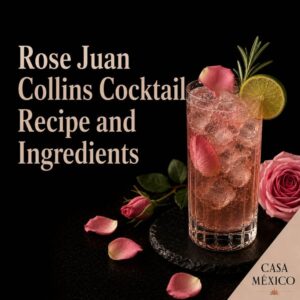
Rose Juan Collins recipe combines tequila, fresh lemon juice, and rosé wine into a modern twist on the classic Collins format. Rose Juan Collins ingredients rely on tequila as the primary spirit, delivering the earthy, agave-driven base found across traditional Juan Collins variations. Rosé wine serves as the second main component, replacing the plain soda water used in standard recipes. The difference lies in flavor depth, since rosé wine adds fruit-forward notes and light effervescence absent from a soda-only version. Agave syrup rounds out sweetness, balancing citrus acidity from fresh lemon juice.
Preparation follows a straightforward build, requiring minimal equipment beyond a shaker and tall glass. Nutrient content stays modest, since the drink relies mainly on tequila, wine, and small amounts of natural sweetener. Flavor profile leans crisp and citrus-forward, with floral undertones from the rosé component. Serving suggestions favor chilled glassware, preserving carbonation from the wine throughout consumption. Garnish typically includes a lemon wheel or fresh rose petal, adding visual appeal without altering taste.
What is a Rosé Juan Collins Recipe made of? Tequila forms the main ingredient, and rosé wine stands as the second, replacing soda water for added fruit and floral depth. Fresh lemon juice and agave syrup complete the mix, balancing sweetness against citrus acidity. Casa Mexico Tequila provides a fitting base spirit for this build, given its balanced flavor profile.
What are the Ingredients for Rose Juan Collins?
Rose Juan Collins ingredients build on the classic tequila Collins format, adding a floral, wine-driven twist. Each component plays a distinct role, shaping flavor, sweetness, and texture within the final glass. Tequila anchors the drink, while rosé wine replaces plain soda water for added depth. Fresh citrus and natural sweetener round out the composition, balancing acidity against sweetness throughout.
The ingredients for Rose Juan Collins are listed below.
- Tequila: Tequila serves as the base spirit, contributing an earthy, agave-driven foundation. Blanco tequila works best, since its clean profile avoids competing with the rosé wine.
- Rosé wine: Rosé wine replaces standard soda water, adding fruit-forward flavor and gentle carbonation. Its floral undertone complements citrus elements throughout the drink.
- Fresh lemon juice: Fresh lemon juice supplies bright acidity, balancing sweetness from the wine and syrup. Freshly squeezed juice offers cleaner flavor compared to bottled alternatives.
- Agave syrup: Agave syrup adds natural sweetness without overpowering other flavors present. Its mild taste blends smoothly with tequila’s own agave character.
- Garnish: A lemon wheel or fresh rose petal finishes the drink, adding visual appeal. Garnish choice does not alter flavor but enhances presentation.
What Mixers Pair Best with Rose Juan Collins?
Rose Juan Collins pairs well with mixers that complement its floral, citrus-driven profile. Certain additions enhance sweetness or acidity without overpowering the rosé wine’s delicate character. Selecting the right mixer strengthens balance across the entire drink.
Mixers that pair best with Rose Juan Collins are listed below.
- Soda water: Soda water lightens the drink further, adding extra fizz without diluting flavor significantly. A small splash works best alongside the rosé wine already present.
- Club soda: Club soda offers a similar fizz to soda water, carrying slightly more mineral character. Its subtle salinity sharpens citrus notes across the drink.
- Sparkling lemonade: Sparkling lemonade boosts citrus intensity while contributing gentle carbonation. Its sweetness pairs naturally with agave syrup already in the mix.
- Elderflower tonic: Elderflower tonic reinforces the floral notes carried by the rosé wine. Its subtle bitterness balances sweetness across the entire drink.
- Grapefruit soda: Grapefruit soda introduces a tart, citrus-forward contrast against the wine’s fruitiness. Its bitterness cuts through sweetness, adding complexity to each sip.
- Agave nectar (extra): Agave nectar deepens sweetness for those preferring a richer finish. A small addition works best, since the base recipe already includes agave syrup.
Should You Use Rose Syrup, Rose Water, or Rose Liqueur?
Yes, you should use rose syrup for balanced sweetness and consistent floral strength, rose water for a more concentrated floral note in small amounts, and rose liqueur for added strength and a wine-forward finish. Rose syrup blends smoothly with agave syrup already present, keeping sweetness levels predictable and easy to control. Rose water requires only a few drops, since excess measurement risks bitterness across the drink. Rose liqueur raises alcohol content noticeably, suiting those who prefer a stronger, more assertive pour. Bartenders favor rose syrup most often, given its reliability across repeated batches. Casa Mexico Tequila pairs cleanly with rose syrup, preserving agave character without competing floral intensity across the finished drink.
Meet Our Maestra Tequilera
Casa México Tequila is crafted under the guidance of world-renowned Maestra Tequilera Ana María Romero Mena. With decades of experience creating acclaimed tequilas and mentoring future generations of distillers, she brings both deep tradition and thoughtful innovation to the brand. From agave selection to distillation and aging, her expertise ensures every expression reflects authenticity, precision and exceptional quality.
How to Make a Rose Juan Collins?
Making a Rose Juan Collins follows a simple build process requiring only a few core steps. Precision at each stage keeps flavor balanced between tequila, rosé wine, and citrus. Following the correct order prevents overpowering sweetness or excess dilution from ice. Reviewing each step below ensures a consistent, well-balanced result every time.
To make a Rose Juan Collins, follow the seven steps listed below.
- Fill a shaker with ice. Filling the shaker first chills all ingredients evenly during mixing. Ice also controls dilution once shaking begins.
- Add tequila and lemon juice. Adding tequila and lemon juice together establishes the drink’s core flavor base. Blanco tequila works best for a clean, agave-forward taste.
- Add agave syrup. Adding agave syrup next balances citrus acidity with natural sweetness. A moderate pour prevents the drink from tasting overly sweet.
- Shake the mixture firmly. Shaking the mixture firmly for 10 to 15 seconds chills and blends every ingredient fully. Proper shaking also softens sharp citrus notes.
- Strain into a tall glass filled with ice. Straining into a fresh glass removes excess ice shards from shaking. A tall glass allows room for the rosé wine topper.
- Top with rosé wine. Topping with rosé wine last preserves its carbonation and delicate aroma. Pouring slowly prevents excess foam from forming.
- Garnish and serve. Garnish with a lemon wheel or rose petal to finish the presentation. Serving immediately keeps carbonation and aroma at their strongest.
Topping with rosé wine last stands as the most important step, since early pouring flattens its carbonation and weakens the floral aroma central to the drink.
Can You Make a Rose Juan Collins Without Simple Syrup?
Yes, you can make a Rose Juan Collins without simple syrup. Agave syrup already replaces simple syrup within the standard recipe, supplying comparable sweetness without altering flavor balance. Honey syrup works as another substitute, though it carries a heavier texture and stronger aroma than agave. Rosé wine itself contributes mild natural sweetness, reducing dependency on additional syrup during preparation. Fresh lemon juice still requires balancing against sweetness, regardless of which sweetener gets used. Bartenders often adjust proportions slightly when swapping sweeteners, since sweetness intensity varies across each option. Casa Mexico Tequila blends well with agave syrup or honey syrup alike, keeping the drink’s core flavor profile consistent across substitutions.
How is the Nutrient Value of Rose Juan Collins?
Rose Juan Collins carries moderate nutrient values, driven mainly by tequila, rosé wine, and natural sweeteners. Alcohol content contributes most of the caloric load, while lemon juice adds minimal nutrient value beyond trace vitamin C. Agave syrup supplies the bulk of carbohydrate content within the drink. Reviewing the table below breaks down each measurable component per standard serving.
The nutrient value of Rose Juan Collins is shown in the table below.
| Nutrient | Amount per Serving | Unit | Daily Value % | Source / Measurement Basis | Notes |
| Calories | 180 | kcal | 9% | USDA cocktail estimate (2,000 kcal diet) | Alcohol contributes the largest share |
| Carbohydrates | 14 | g | 5% | Agave syrup and rosé wine content | Sweetener drives most carbohydrate mass |
| Sugars | 12 | g | — | Agave syrup and residual wine sugar | Rosé wine adds mild natural sugar |
| Vitamin C | 8 | mg | 9% | Fresh lemon juice content | Small contribution from citrus |
| Alcohol | 14 | g | — | Tequila (blanco, 40% ABV) and rosé wine | Primary source of caloric density |
| Sodium | 2 | mg | 0% | Trace mineral content from soda or club soda topper | Minimal unless topped with club soda |
How many calories in a Rosé Juan Collins? A standard serving carries around 180 calories, driven mainly by tequila and rosé wine content. Agave syrup adds a smaller portion, while lemon juice contributes negligible caloric value. Casa Mexico Tequila’s blanco variety keeps alcohol content consistent, supporting predictable calorie estimates across each batch.
What are the Tips to Prepare Rose Juan Collins Better?
Preparing Rose Juan Collins well depends on small details often overlooked during a quick build. Ingredient quality, timing, and pour order each shape the final balance of flavor. Reviewing a few practical tips helps achieve a more consistent result.
The tips to prepare Rose Juan Collins better are listed below.
- Chilling the rosé wine beforehand preserves carbonation once poured over ice. Room-temperature wine loses fizz faster during mixing.
- Using fresh lemon juice instead of bottled juice sharpens citrus flavor noticeably. Bottled juice often carries a flatter, less vibrant taste.
- Measuring agave syrup carefully prevents the drink from tasting overly sweet. A slight excess can mask the tequila’s natural agave character.
- Shaking tequila and lemon juice before adding rosé wine keeps carbonation intact longer. Adding wine too early flattens its texture during shaking.
- Choosing a quality blanco tequila strengthens overall flavor balance. Aged tequila varieties can clash with the wine’s fruit-forward notes.
- Serving immediately after garnishing keeps aroma and carbonation at peak freshness. Extended sitting time dulls both the floral and citrus elements.
What are the Variations of Rose Juan Collins Recipes?
Rose Juan Collins allows small adjustments without altering its core identity. Variations typically involve ingredient swaps, such as different citrus types or added flavor enhancers. Each adjustment shifts nutrient content or flavor intensity slightly, depending on the substitution made.
The variations of Rose Juan Collins recipes are shown in the table below.
| Variation Name | Ingredients | Nutrient | Steps | Opinion |
| Salted Rose Collins | Tequila, lemon juice, agave syrup, rosé wine, pinch of salt | Sodium rises slightly (10mg per serving) | Add a small pinch of salt before shaking, then follow standard build | Salt sharpens citrus flavor and softens sweetness |
| Lime Variation | Tequila, lime juice (replacing lemon), agave syrup, rosé wine | Vitamin C content shifts slightly higher | Substitute lime juice directly for lemon juice, keep remaining steps unchanged | Lime adds a sharper, more tart citrus edge |
| Grapefruit Twist | Tequila, lemon juice, agave syrup, rosé wine, splash grapefruit juice | Carbohydrate content rises slightly (2g added) | Add a small splash of grapefruit juice during the shaking step | Grapefruit adds bitterness that balances sweetness well |
| Extra Floral Version | Tequila, lemon juice, agave syrup, rosé wine, a few drops of rose water | Sugar content unchanged, floral intensity increases | Add rose water directly into the shaker before mixing | Stronger floral aroma, best for smaller servings |
What alcohol is in a Rose Juan Collins?
Rose Juan Collins carries alcohol through two sources, tequila and rosé wine. Tequila supplies the primary spirit content, while rosé wine adds a secondary layer of alcohol alongside its floral character. Selecting quality options for both components strengthens overall flavor and consistency.
Casa Mexico Tequila Blanco: Blanco tequila supplies the primary alcohol base for Rose Juan Collins, delivering a clean, agave-forward flavor that pairs well with rosé wine and citrus. Its unaged profile avoids clashing with the drink’s floral notes.
Dry Rosé Wine: Dry rosé wine contributes the second alcohol source, adding light effervescence and fruit-forward character in place of plain soda water. A drier style keeps sweetness balanced against the agave syrup already present.
Rose Liqueur: Rose liqueur works as an optional addition for those preferring a stronger, more floral finish. Its added alcohol content raises overall strength, suiting a bolder variation of the standard recipe.
Does Rose Juan Collins have alcohol? Yes, Rose Juan Collins contains alcohol, drawn from both tequila and rosé wine. Tequila delivers the stronger alcoholic base, while rosé wine adds a lighter, secondary contribution. Casa Mexico Tequila Blanco pairs cleanly with these components, keeping alcohol content balanced and consistent across each pour.
How Much Alcohol Does a Rose Juan Collins Have?
A Rose Juan Collins carries 14 to 20 grams of alcohol per serving, depending on tequila pour size and rosé wine proportion. Higher tequila ratios raise alcohol intensity, sharpening the drink’s warmth while masking some floral notes from the wine. Larger rosé wine ratios soften alcohol perception, letting citrus and floral flavors stand out more clearly. Bartenders generally stay within 1.5 to 2 ounces of tequila, balancing strength against the wine’s contribution. Standard preparation keeps total alcohol content moderate, avoiding a build heavy enough to overshadow the drink’s lighter, refreshing character.
Can pregnant women drink Rose Juan Collins? No, pregnant women should not drink Rose Juan Collins. The Centers for Disease Control and Prevention states plainly that there is no known safe amount of alcohol use during pregnancy, and no safe time during pregnancy to drink alcohol. That guidance applies to every alcoholic beverage, tequila and rosé wine included. Non-alcoholic substitutes, such as sparkling grape juice paired with rose syrup, offer a safer alternative carrying similar flavor without the associated pregnancy risk.
Does a Rose Juan Collins make you Drunk?
Yes, a Rose Juan Collins can make you drunk. Tequila supplies the strongest alcoholic content, while rosé wine adds a secondary contribution that raises overall intensity. Consuming multiple servings within a short period increases blood alcohol concentration steadily, since both components carry measurable alcohol by volume. Body weight, food intake, and tolerance level all influence how quickly intoxication develops after drinking. Standard preparation keeps alcohol content moderate compared to stronger cocktails, though repeated servings still produce noticeable impairment over time. Pacing intake and eating beforehand slows alcohol absorption, reducing intoxication risk during extended consumption. Casa Mexico Tequila recommends moderation, since responsible drinking preserves both flavor enjoyment and physical well-being throughout the experience.
Does Rose Juan Collins Have Tequila?
Yes, Rose Juan Collins has tequila. Tequila supplies the primary spirit base, delivering an earthy, agave-driven foundation carried throughout the drink. Blanco tequila works best for this recipe, since its clean profile avoids clashing with rosé wine and citrus flavors. Fresh lemon juice and agave syrup balance sweetness and acidity around that tequila base. Bartenders often select a reliable brand to keep flavor consistent across repeated batches. Quality matters heavily here, since a weaker spirit dulls the drink’s overall character. Choosing a dependable option delivers balanced agave flavor suited for this cocktail’s floral, citrus-forward profile, a quality found in Casa Mexico Tequila.
What is a Rose Juan Collins?
Rose Juan Collins is a tequila-based cocktail that blends fresh lemon juice, agave syrup, and rosé wine into a modern twist on the classic Collins format. Tequila anchors the drink with an earthy, agave-driven foundation, while rosé wine replaces standard soda water for added fruit character and gentle carbonation. Fresh lemon juice supplies bright acidity, balancing sweetness contributed by agave syrup within the mix. Blanco tequila works best here, since its clean profile avoids competing with the wine’s floral undertones.
Preparation follows a simple build, requiring only a shaker, tall glass, and a few core ingredients. Sugar and alcohol content stay moderate compared to stronger mixed drinks, keeping the cocktail approachable for casual serving occasions. Flavor leans crisp and citrus-forward, carrying subtle floral notes from the rosé component throughout each sip. Garnish typically includes a lemon wheel or rose petal, adding visual appeal without shifting taste. Casa Mexico Tequila pairs well with this recipe, given its balanced agave character suited for lighter, wine-forward cocktails.
Why is it called a Rose Juan Collins? The name reflects its two defining components, tequila (the “Juan” nod to the original Juan Collins) and rosé wine, which contributes the “Rose” element. Combining both spirits distinguishes the drink from the standard soda-based version, giving it a floral, wine-driven identity within the broader Collins family.
What does a Rose Juan Collins Taste Like?
Rose Juan Collins carries a layered taste shaped by distinct ingredients working together. Each component contributes a specific flavor note, shifting sweetness, acidity, or floral intensity across the drink. Reviewing the ingredients below clarifies why the cocktail tastes balanced rather than one-dimensional.
The flavors that shape a Rose Juan Collins taste are listed below.
- Tequila: Tequila contributes an earthy, slightly peppery base flavor throughout the drink. Blanco tequila keeps the note clean, avoiding overpowering the wine’s floral character. Agave sweetness within the spirit itself blends naturally alongside the added agave syrup.
- Rosé wine: Rosé wine adds fruit-forward sweetness alongside gentle carbonation. Its floral undertone shapes the drink’s overall aromatic profile. Berry-like notes within the wine complement citrus flavor from the lemon juice.
- Fresh lemon juice: Fresh lemon juice supplies sharp acidity, cutting through sweetness from the wine and syrup. Its brightness keeps the drink from tasting flat or overly sweet. Fresh juice offers a cleaner, more vibrant edge compared to bottled alternatives.
- Agave syrup: Agave syrup rounds out sweetness without introducing an overpowering sugar taste. Its mild flavor blends smoothly alongside the tequila’s own agave character. A moderate pour keeps sweetness balanced against citrus acidity from the lemon juice.
- Garnish (lemon wheel or rose petal): Garnish adds subtle aromatic influence during each sip. A rose petal enhances floral perception, and a lemon wheel reinforces citrus aroma. Visual presentation improves as well, adding color contrast against the drink’s pale pink hue.
How to Drink a Rose Juan Collins?
Drinking a Rose Juan Collins well depends on serving temperature, glassware, and pacing. Following a few simple steps enhances aroma and flavor perception with each sip.
To drink a Rose Juan Collins, follow the five steps listed below.
- Chill the glass beforehand. Chilling the glass keeps the drink cold longer, preserving carbonation from the rosé wine. A pre-chilled glass also prevents excess ice melt from diluting flavor.
- Smell the aroma before sipping. Smelling the aroma first highlights floral and citrus notes rising from the glass. Rose petal garnish enhances this step, adding a stronger floral scent.
- Sip slowly rather than gulping. Sipping slowly allows flavor layers to unfold gradually across the palate. Rushed drinking masks subtle notes from the rosé wine and citrus.
- Pair with light food. Pairing with light appetizers, such as citrus-based dishes, complements the drink’s bright acidity. Heavy or rich food can overpower its delicate floral profile.
- Drink while cold. Drinking while cold preserves carbonation and keeps flavors crisp throughout. Extended sitting time flattens the rosé wine’s fizz and dulls its aroma.
Sipping slowly stands as the most important tip, since a gradual pace lets citrus, floral, and agave notes develop fully across the palate.
What are the Types of Rose Juan Collins?
Tequila cocktails span a wide range of flavor profiles, from sweet and fruity to bold and bitter. Comparing each type highlights how Rose Juan Collins fits within the broader tequila cocktail category.
The types of Rose Juan Collins are listed below.
- Tequila Sunrise: Tequila Sunrise leans sweet and fruity, built on orange juice and grenadine. Sweetness dominates the flavor, contrasting with the citrus-forward balance found in Rose Juan Collins.
- Rose Juan Collins: Rose Juan Collins carries a floral, citrus-driven taste, shaped by rosé wine and fresh lemon juice. Sweetness stays moderate compared to Tequila Sunrise, favoring balance over sugar-forward flavor.
- Tequila Sour: Tequila Sour delivers tart, citrus-forward flavor, built on lime juice and simple syrup. Acidity dominates the profile, standing sharper than the floral notes found in Rose Juan Collins.
- Tequila Old Fashioned: Tequila Old Fashioned carries a bold, slightly bitter taste, built on agave syrup and bitters. Depth and warmth define the flavor, contrasting with the lighter, effervescent character of Rose Juan Collins.
- Tequila Slammer: Tequila Slammer delivers a sharp, fizzy taste, built on tequila and champagne or soda. Intensity comes fast and strong, unlike the slower, layered flavor found in Rose Juan Collins.
- Tequila Collins: Tequila Collins carries a crisp, citrus-forward taste, built on lemon juice and soda water. Simplicity defines the flavor, lacking the floral depth added by rosé wine in Rose Juan Collins.
- Tequila Highball: Tequila Highball delivers a light, fizzy taste, built on tequila and soda or ginger ale. Flavor stays simple and clean, without the fruit and floral complexity found in Rose Juan Collins.
- Tequila Negroni: Tequila Negroni carries a bitter, herbal taste, built on vermouth and bitter liqueur. Bitterness dominates the profile, standing far apart from the fruity sweetness in Rose Juan Collins.
- Tequila Martini: Tequila Martini delivers a strong, dry taste, built on tequila and dry vermouth. Boldness defines the flavor, contrasting with the lighter, sweeter balance found in Rose Juan Collins.
- Tequila Mule: Tequila Mule carries a spicy, ginger-forward taste, built on ginger beer and lime juice. Spice defines the flavor, differing from the floral sweetness found in Rose Juan Collins.
- Tequila Mojito: Tequila Mojito delivers a fresh, herbal taste, built on mint leaves and lime juice. Herbal freshness stands out, unlike the fruit and floral profile found in Rose Juan Collins.
- Tequila Fizz: Tequila Fizz carries a light, bubbly taste, built on lemon juice and soda water. Effervescence defines the flavor, similar to Rose Juan Collins though lacking rosé wine’s fruit depth.
What is the Difference between a Tequila Mojito Cocktail and other Rose Juan Collins Recipes?
Tequila Mojito Cocktail relies on mint leaves and lime juice, setting it apart from the rosé wine and lemon juice base found in Rose Juan Collins variations. Herbal freshness defines the flavor, contrasting sharply against the floral, fruit-forward character carried by rosé wine. Ingredients include tequila, fresh lime juice, mint leaves, agave syrup, and soda water. Preparation starts with muddling mint leaves and lime juice together, releasing aromatic oils before adding tequila and syrup. Ice and soda water follow, finishing the build with a light, refreshing fizz. Muddled mint replaces the wine entirely, marking the clearest distinction found across every Tequila Mojito Cocktail Recipe.
What is the Difference Between Tequila Collins and other Rosé Juan Collins Recipes?
Tequila Collins relies on soda water rather than rosé wine, keeping its flavor simple and citrus-forward. Sweetness stays minimal compared to Rosé Juan Collins, since no fruit-based wine component gets added during preparation. Ingredients include tequila, fresh lemon juice, simple syrup, and soda water. Preparation starts by shaking tequila, lemon juice, and syrup together with ice. Straining into a tall glass and topping with soda water completes the build. Missing rosé wine removes floral depth entirely, marking the defining contrast against every Tequila Collins Recipe.
What is the Difference Between a Classic Paloma Cocktail and other Rose Juan Collins Recipes?
Classic Paloma Cocktail relies on grapefruit soda rather than rosé wine, producing a tart, citrus-heavy flavor distinct from Rose Juan Collins. Bitterness from grapefruit dominates the taste, standing apart from the floral sweetness carried by rosé wine. Ingredients include tequila, grapefruit soda, fresh lime juice, and a pinch of salt. Preparation starts by filling a glass with ice, then adding tequila and lime juice directly. Topping with grapefruit soda and a salt rim finishes the build. Grapefruit’s tartness replaces floral sweetness completely, defining the sharpest contrast among every Classic Paloma Cocktail variation.
Where to Serve a Rose Juan Collins?
Rose Juan Collins fits best across afternoon and evening settings, given its light, refreshing character. Lunch gatherings pair well with the drink, since its citrus and floral notes complement lighter meals without overwhelming the palate. Dinner service suits Rose Juan Collins equally, particularly alongside seafood or citrus-based dishes that echo its bright acidity. Birthday parties and casual celebrations also benefit from the drink’s visual appeal, given its pale pink hue and floral garnish. Breakfast service remains less suited to Rose Juan Collins, since its alcohol content and wine-forward profile clash with typical morning fare. Outdoor gatherings and warm-weather occasions highlight the drink’s effervescence particularly well, keeping it refreshing during extended serving periods. Bridal showers and garden parties favor Rose Juan Collins for its floral presentation, aligning naturally with themed decor. Casa Mexico Tequila recommends serving the drink chilled, preserving both flavor and aroma across any of these occasions.
What Glass to Serve a Rose Juan Collins?
A Collins glass serves as the standard glassware for Rose Juan Collins, given its tall, narrow shape suited for extended fizzy drinks. The glass typically holds 10 to 14 ounces, providing enough room for ice, tequila, rosé wine, and garnish. Height allows carbonation from the wine to stay active longer, preserving fizz throughout consumption. Its narrow profile also concentrates aroma near the rim, enhancing floral and citrus scent with each sip. Collins glasses differ from lowball or rocks glasses, which hold less volume and suit spirit-forward drinks served over minimal ice. Martini glasses, by contrast, carry a wide, shallow bowl designed for drinks served without ice entirely. Highball glasses resemble Collins glasses closely, though they run slightly shorter and hold less liquid overall. Coupe glasses suit drinks poured without carbonation, given their broad, shallow shape unsuited for fizzy builds. Casa Mexico Tequila recommends a Collins glass specifically, since it preserves carbonation and aroma central to the Rose Juan Collins experience.
Should a Rose Juan Collins Be Served Over Crushed or Cubed Ice?
Cubed ice works best for a Rose Juan Collins. Cubed ice melts slower than crushed ice, preserving flavor balance longer throughout consumption. Slower melting also maintains carbonation from the rosé wine more effectively, given reduced surface contact between ice and liquid. Bartenders favor larger cubes specifically, since size further slows dilution while keeping the drink cold. Crushed ice dilutes flavor faster, softening citrus and floral notes sooner than intended for a layered sipping experience. Crushed ice suits drinks built for quick consumption, unlike the slower pace suited to Rose Juan Collins. Casa Mexico Tequila recommends cubed ice consistently, preserving both temperature and flavor integrity across each serving.